







Purchasing equipment is an important investment for businesses looking to improve productivity, expand operations, and serve more customers. However, brand-new machinery and commercial equipment can require a substantial upfront investment. For many small businesses, contractors, and startups, used equipment loans provide a practical way to purchase reliable pre-owned machinery while preserving cash for everyday operating expenses.
Whether you need construction equipment, agricultural machinery, commercial trucks, warehouse equipment, or specialized business tools, financing can help you acquire the assets your business needs without paying the entire purchase price upfront. Smart Business Credit offers used equipment financing options for businesses purchasing equipment from dealers, private sellers, and auctions, subject to eligibility and approval requirements.
What Are Used Equipment Loans?
Used Equipment Loans are financing arrangements that help businesses purchase previously owned machinery, vehicles, tools, and other business assets. Instead of paying the full purchase price in cash, a business repays the financed amount through scheduled payments according to the loan agreement.
These loans can be useful for established companies replacing aging machinery, contractors expanding their fleets, farmers upgrading their operations, and entrepreneurs purchasing equipment for a new business.
Used equipment may cost less than comparable new machinery, making it an attractive option for businesses that want to control their initial investment. However, the total cost should include more than the purchase price. Maintenance, repairs, transportation, insurance, and potential downtime can all affect the financial benefits of buying used equipment.
Smart Business Credit provides used equipment financing solutions designed to help businesses explore financing for pre-owned assets from different sellers.
What Types of Used Equipment Can You Finance?
The equipment that qualifies for financing depends on the lender, the business’s financial profile, and the asset’s condition and value. Many industries rely on used machinery to manage costs while maintaining their operational capabilities.
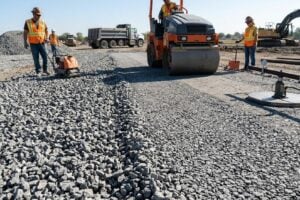
Construction companies may need excavators, skid steers, backhoes, bulldozers, compactors, forklifts, or aerial lifts. Purchasing used construction equipment can help contractors acquire machinery for excavation, site preparation, material handling, and other demanding tasks.
Trucking and transportation businesses may seek financing for used semi-trucks, box trucks, flatbed trailers, dump trucks, refrigerated trailers, and other commercial vehicles. The right vehicle depends on the type of freight, operating routes, load requirements, and expected business revenue.
Agricultural businesses may need used tractors, harvesters, balers, irrigation systems, and other farm machinery. Pre-owned equipment can help farmers acquire productive assets while managing seasonal cash-flow requirements.
Warehouses and industrial operations may require forklifts, pallet-handling equipment, compressors, generators, and manufacturing machinery. Medical and dental practices may also explore financing for eligible pre-owned diagnostic or clinical equipment, depending on program requirements.
Before applying, confirm that the specific asset qualifies for financing and determine whether the seller can provide the documentation needed for the transaction.
Benefits of Financing Used Equipment
One of the main advantages of purchasing used equipment is the potential to reduce the initial acquisition cost. New machinery often includes the latest features and warranties, but it may not be necessary for every business application. A well-maintained used machine may offer the capacity required for a particular task at a lower purchase price.
Financing can make the purchase more manageable by spreading payments over an agreed period. This allows businesses to allocate available cash toward payroll, inventory, fuel, insurance, marketing, and other essential expenses.
Used equipment financing can also support business growth. A contractor may use a financed excavator to take on additional projects, while a transportation company may add another truck to increase its delivery capacity. In these cases, the equipment may help generate revenue that contributes toward the repayment obligation.
Another potential advantage is access to a broader selection of machinery. Businesses can compare equipment from dealers, private sellers, and auctions instead of limiting their search to new products sold through authorized dealerships.
However, financing does not automatically make every purchase affordable. Businesses should evaluate the full repayment amount and the equipment’s expected contribution to revenue before accepting an offer.
Used Equipment Financing for Startups
Starting a business often involves significant equipment expenses before revenue becomes predictable. New entrepreneurs may need machinery, vehicles, tools, or production equipment to begin serving customers.
Used equipment can help reduce startup costs, while financing may allow business owners to preserve funds for initial operating expenses. This can be especially important for contractors, trucking operators, landscaping businesses, and agricultural enterprises that require equipment to generate income.
Startups may have limited business credit history, which can make traditional financing more challenging. Some equipment financing programs consider factors beyond the business credit score, including the applicant’s overall financial profile, equipment value, business plans, and ability to repay.
Smart Business Credit offers financing options for startups and businesses with different credit backgrounds. Approval is not guaranteed, and the terms offered depend on the individual application and applicable underwriting requirements.
Before financing used equipment for a startup, estimate the revenue the asset could realistically generate. Account for fuel, labor, repairs, insurance, and periods when the equipment may not be in use. A conservative budget can help you avoid taking on payments that exceed the business’s financial capacity.
Financing Used Construction and Heavy Equipment
Construction companies often need specialized machinery to complete projects efficiently. Excavators, skid steers, wheel loaders, bulldozers, and compactors can represent major investments, especially for small contractors and growing construction businesses.
Used equipment financing allows contractors to consider pre-owned machinery that matches their project requirements and budget. Instead of committing substantial cash to a single purchase, they can explore repayment structures that spread the cost over time.
Before purchasing used heavy equipment, inspect its operating hours, service records, hydraulic systems, tires or tracks, attachments, and general mechanical condition. Ask about previous repairs and determine whether replacement parts and maintenance services are readily available.
It is also important to confirm that the equipment’s capacity suits the work you intend to perform. A machine that is too small may limit productivity, while a larger model may create unnecessary transportation, fuel, and maintenance expenses.
Explore Smart Business Credit’s equipment financing options to learn more about funding possibilities for construction machinery and other business assets.
Used Truck and Agricultural Equipment Loans
Commercial vehicles and agricultural machinery are essential for many businesses, but purchasing them can put pressure on available working capital.
A trucking company may need a used semi-truck, day cab, box truck, or trailer to serve additional customers. An agricultural business may need a tractor, baler, or other machinery to complete seasonal work. In either situation, financing can help spread the purchase cost across scheduled payments.
For used trucks, buyers should review mileage, maintenance history, engine condition, transmission performance, tire condition, and vehicle documentation. Commercial vehicles may also require additional inspection and compliance checks before entering service.
For agricultural equipment, assess operating hours, service history, hydraulic components, tires, attachments, and the availability of replacement parts. The machine should be suitable for the farm’s terrain, workload, and seasonal requirements.
Businesses should compare the cost of financing with the expected economic benefit of the asset. If the equipment will generate additional revenue or reduce operating costs, those benefits can help inform the purchasing decision. However, future revenue is never guaranteed, so repayment plans should remain realistic.
Financing Used Equipment From Auctions and Private Sellers
Used equipment can be purchased from dealers, private owners, liquidation sales, and auctions. Each option may offer different pricing opportunities, but buyers should understand the transaction requirements before committing to a purchase.
Equipment auctions can provide access to a wide range of machinery, including construction equipment, trucks, trailers, and industrial assets. However, auction purchases may involve strict payment deadlines, buyer fees, transportation expenses, and limited opportunities for inspection.
Arranging financing before bidding can help establish a realistic spending limit. Buyers should also confirm whether the financing provider supports the particular auction, seller, and asset.
Private-party purchases may offer more direct negotiation, but buyers should verify ownership, review the equipment’s condition, and confirm that the seller can provide the required documents. A written purchase agreement and independent inspection can help reduce avoidable risks.
Smart Business Credit supports financing inquiries for eligible equipment purchased from auctions, dealers, and private sellers. The transaction remains subject to approval and documentation requirements.
For auction purchases, consider exploring auction equipment financing before placing a bid.
How to Qualify for Used Equipment Loans
Eligibility requirements vary by financing provider and transaction. Factors may include the applicant’s credit profile, time in business, revenue, existing financial obligations, equipment type, asset value, and condition.
Some programs may consider startups or applicants with less-than-perfect credit. However, a flexible application process does not mean every applicant will qualify or receive the same terms.
To prepare, gather your business information, contact details, and the purchase price or seller quotation for the equipment. You may also need identification, equipment specifications, and seller or auction details. Depending on the application, additional financial documents such as bank statements or proof of revenue may be requested.
The equipment’s condition and resale value can also matter because the asset may serve as collateral under certain financing arrangements. Accurate documentation can help the provider assess the proposed purchase.
Smart Business Credit’s online equipment financing application allows businesses to submit basic information and explore potential options. The company states that the initial application uses a soft credit inquiry, but applicants should confirm the credit-check process and any subsequent requirements before proceeding.
Equipment Loans Versus Lease-to-Own Financing
When financing used machinery, businesses may be offered a traditional equipment loan or a lease-to-own arrangement. Understanding the differences can help you choose an option that fits your financial objectives.
An equipment loan is generally designed to finance the purchase of an asset. Payments are made according to the agreement, and the business typically owns the equipment subject to the loan and any security interest.
Lease-to-own financing allows the business to use equipment under a lease arrangement that may provide an option to purchase it later. Depending on the contract, this structure may involve different initial costs, payment amounts, and end-of-term obligations.
A loan may be suitable for businesses that want to own and use the equipment for many years. A lease arrangement may appeal to businesses seeking flexibility or different payment structures. Neither option is automatically less expensive.
Compare the interest rate or financing charges, total amount payable, payment schedule, fees, insurance requirements, and final ownership conditions. Ask whether the agreement includes a balloon payment, residual value, or early termination charges.
The most suitable option depends on the equipment, expected period of use, available cash, and business plans.
How to Apply for Used Equipment Financing
A clear application process starts with identifying the equipment you need and determining whether the purchase fits your budget.
First, research the equipment and compare available options from different sellers. Check the machine’s condition, specifications, service history, and asking price. Where practical, arrange an independent inspection before finalizing the transaction.
Next, estimate the total acquisition cost, including transportation, taxes, registration where applicable, repairs, and other fees. Determine a payment amount that your business can reasonably support after accounting for normal operating expenses.
Then, submit the required information through Smart Business Credit’s equipment financing application. Provide accurate business details and information about the equipment and seller. The company reviews applications and may present financing options based on the applicant’s profile and the proposed purchase.
If an offer is available, review the complete agreement before signing. Confirm the repayment schedule, total financing cost, required deposit, security arrangements, and ownership terms. Pre-approval is not the same as final approval, and funding depends on the provider’s verification and underwriting process.
Choose Smart Business Credit for Used Equipment Loans
Used equipment loans can help businesses acquire the machinery and vehicles needed to operate, expand, and pursue new opportunities. Financing pre-owned assets may reduce the initial purchase burden while allowing companies to preserve working capital for essential business expenses.
Smart Business Credit offers used equipment financing options for eligible purchases from dealers, private sellers, and auctions. Its programs cover multiple industries, including construction, trucking, agriculture, and other commercial operations. Available financing terms and approval decisions depend on the individual applicant and transaction.
To learn more, visit the Smart Business Credit equipment financing page. You can also apply online to explore potential financing options for your business.
Before accepting any offer, compare the total cost of financing, evaluate the equipment’s condition, and make sure the payment schedule fits your projected cash flow. With careful planning, used equipment financing can help businesses invest in practical assets while managing their resources responsibly.