






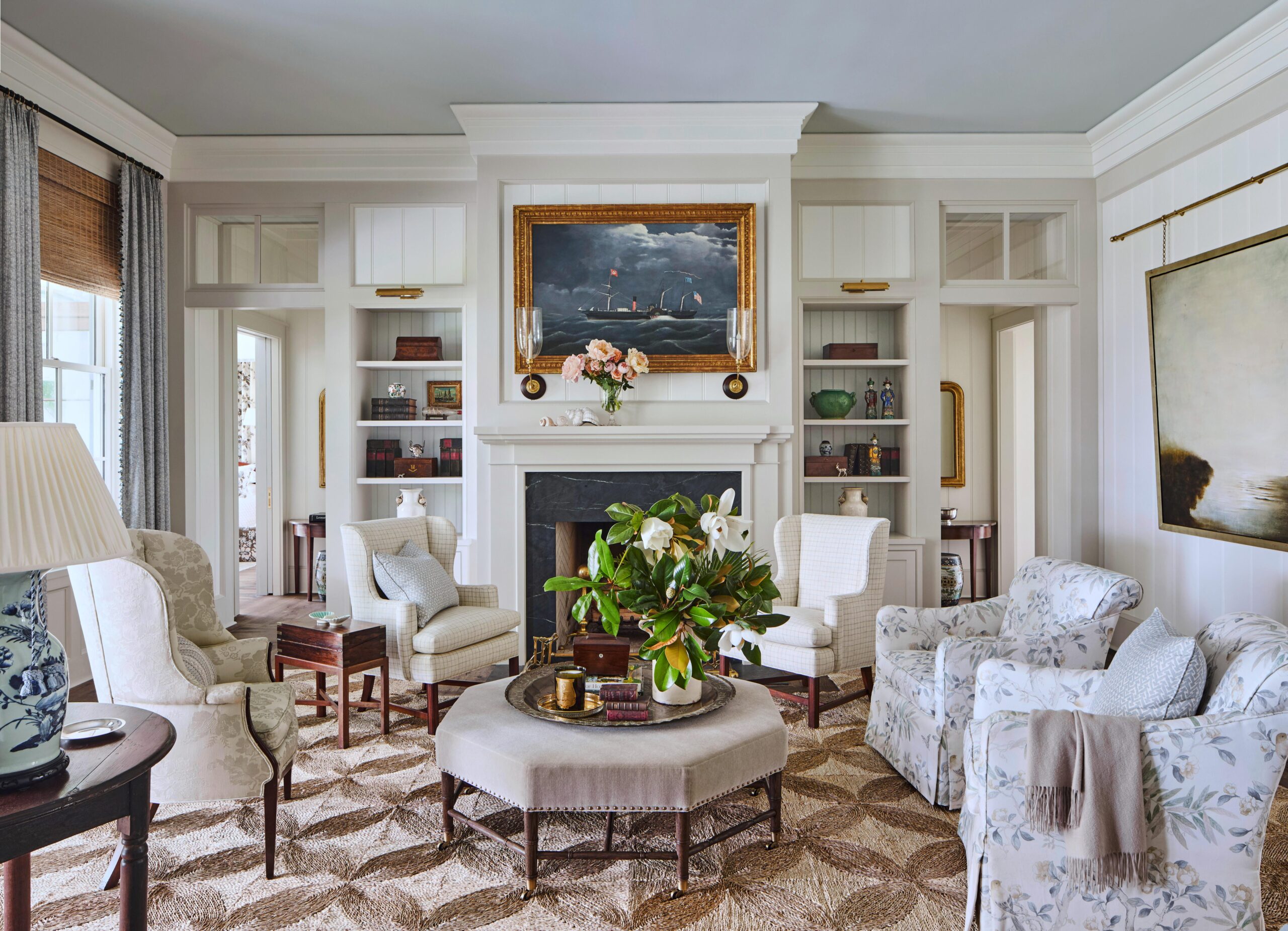
Creating a beautiful home does not always require expensive furniture, designer accessories, or the latest interior design trends. Vintage home decor offers an affordable way to introduce character, warmth, and individuality into any living space. From beautifully crafted wooden furniture to decorative mirrors, antique lighting, and unique accessories, older pieces often bring qualities that are difficult to find in mass-produced products. The best part is that you do not need a large budget to create a stylish vintage-inspired interior. With patience, careful shopping, and an understanding of quality, you can discover timeless pieces that make your home feel personal and inviting.
Why Vintage Home Decor Is Worth Considering
A vintage wooden cabinet, decorative mirror, or classic table can become a focal point without requiring an entire room makeover. Vintage home decor has remained popular because it combines visual appeal with individuality and lasting design. Unlike furniture produced in large quantities, older pieces often feature distinctive details, natural materials, and craftsmanship that give them a unique appearance. These pieces also allow homeowners to express their personal taste rather than simply following temporary decorating trends. Choosing vintage furniture can therefore make a home feel more collected, authentic, and meaningful.
Another advantage is the opportunity to find quality items at different price points. Secondhand shops, estate sales, flea markets, and online marketplaces frequently offer furniture and accessories at prices below comparable new products. However, affordability should not be the only consideration when purchasing vintage items. Examine the materials, construction, condition, and potential repair costs before making a decision. A reasonably priced piece with strong construction may provide better long-term value than a cheaper item that requires extensive restoration.
Vintage decorating can also support more sustainable shopping habits. Purchasing pre-owned furniture gives existing products another useful life and may reduce the demand for newly manufactured items. This approach can be particularly beneficial when shopping for solid wood furniture, older storage cabinets, and decorative accessories. Instead of replacing furniture whenever interior trends change, you can invest in pieces that remain useful over time. The combination of sustainability, affordability, and distinctive design makes vintage decorating an appealing choice for many homeowners.
1. Explore Thrift Stores, Flea Markets, and Estate Sales
One of the best ways to find affordable vintage furniture is by visiting local thrift stores and flea markets. These places often have changing inventories, which means interesting items can appear without much notice. You may discover wooden side tables, decorative ceramics, framed artwork, mirrors, lamps, or small storage pieces at reasonable prices. Unlike traditional furniture retailers, secondhand sellers may offer opportunities to negotiate, particularly when purchasing multiple items. Visiting regularly can improve your chances of finding something special before another buyer notices it.
Estate sales are another useful source for vintage furniture and household accessories. They often include items from established homes, giving shoppers access to furniture that may have been used and maintained for decades. Look for solid construction, attractive proportions, and materials that suit your interior. Ask questions about an item’s age and history when information is available, but avoid assuming that every old object is valuable. Focus on practical quality and personal appeal rather than buying something simply because it appears antique.
Preparation can make secondhand shopping more productive. Before visiting a store or market, identify the furniture or accessories your home actually needs. Take photographs of your existing rooms and note important measurements so you can compare potential purchases. It is also helpful to establish a spending limit before shopping, especially when sellers display many attractive items. Having a clear plan reduces impulse purchases and helps you concentrate on pieces that will genuinely improve your home.
2. Look for Quality Vintage Furniture That Offers Long-Term Value
Not every vintage item is worth purchasing, even when its price seems attractive. Quality should always be one of the main considerations when evaluating older furniture. Check whether wooden frames feel stable, drawers open smoothly, doors align properly, and joints remain secure. Look for cracks, water damage, loose components, and signs of previous repairs. Surface scratches and minor imperfections may be manageable, but structural damage can create expensive restoration requirements.
Materials can also provide useful clues about furniture quality. Solid wood, well-finished veneer, natural stone, metal, and durable upholstery can contribute to the longevity of a piece when properly maintained. Examine edges, undersides, drawer interiors, and hidden construction details instead of judging furniture only by its visible surface. A well-made vintage cabinet may show minor signs of use while remaining structurally sound. Understanding these details helps you distinguish between furniture that offers genuine value and items that may require more money than expected.
3. Find an Affordable Vintage Dining Table and Chairs
The dining area is an excellent place to introduce vintage furniture because tables and chairs can provide both functionality and visual character. A vintage dining table and chairs set can transform an ordinary dining room into a warm and inviting gathering space. Look for solid wood construction, balanced proportions, comfortable seating, and finishes that complement your existing interior. Classic round tables, rectangular wooden designs, and distinctive mid-century-inspired pieces can all work beautifully in contemporary homes. You do not necessarily need a complete matching set to achieve an attractive result.
Buying a dining table and chairs separately can sometimes provide better value and greater flexibility. For example, you could pair a vintage wooden table with affordable upholstered chairs or combine different wooden chair designs around one table. The important thing is to maintain a relationship between their shapes, materials, or colors. Before purchasing, measure the dining area and check the table height against the chairs. Also inspect chair joints, seat stability, tabletop condition, and any extension mechanisms to make sure the furniture is suitable for regular use.
If the furniture needs minor cosmetic improvements, consider whether simple restoration is affordable. Cleaning, polishing, replacing damaged hardware, or refreshing an appropriate finish can improve the appearance of older pieces. However, avoid aggressive sanding or refinishing before understanding the original material and surface treatment. Valuable vintage furniture may lose some of its character or collectability through unnecessary modifications. When in doubt, consult an experienced furniture restoration professional before making permanent changes.
4. Mix Vintage Accessories With Modern Interior Design
You do not need to furnish your entire home with vintage pieces to achieve a beautiful result. Combining older accessories with contemporary furniture can create a balanced interior that feels both timeless and current. A vintage mirror can add character to a modern hallway, while an antique ceramic vase can bring texture to a minimalist living room. Similarly, an older wooden sideboard can provide warmth against clean contemporary walls. These combinations prevent vintage decorating from looking overly themed or outdated.
The key is to create visual connections between different items. Consider repeating wood tones, metal finishes, accent colors, or decorative shapes throughout the room. For example, a brass vintage lamp can complement modern cabinet handles or picture frames with similar finishes. Natural fabrics, neutral rugs, and simple artwork can also help connect furniture from different periods. Rather than trying to match everything perfectly, focus on creating a comfortable arrangement where each piece contributes to the overall atmosphere.
5. Use Small Vintage Decorative Pieces to Transform a Room
Small accessories are often the most affordable way to introduce vintage character into a home. Decorative trays, ceramic bowls, picture frames, clocks, candleholders, and glassware can add personality without requiring a significant investment. These objects are also easier to move between rooms as your decorating preferences change. A carefully selected collection of vintage accessories can make a simple shelf, coffee table, or sideboard look more interesting. The key is choosing items with distinctive details rather than purchasing large quantities of unrelated decorations.
Vintage artwork is another effective option for creating an individual interior. Old prints, framed illustrations, traditional paintings, and decorative wall pieces can add depth to otherwise plain walls. You can combine different frame styles as long as the arrangement has a consistent visual direction. For example, a collection of artwork with similar colors can look cohesive even when the frames are different. Before purchasing, inspect the condition of the artwork, frame, and hanging hardware to avoid unexpected repair expenses.
6. Shop Online Carefully and Compare Prices
Online marketplaces have made vintage shopping more accessible by connecting buyers with independent sellers, collectors, and secondhand furniture stores. You can search for specific furniture styles, compare prices, and discover pieces that may not be available in local shops. However, online purchases require additional attention because photographs cannot always reveal structural problems or surface damage. Request clear images from different angles, including the underside, joints, drawers, and any areas showing wear. Ask for accurate dimensions and confirm delivery or collection arrangements before completing a purchase.
Comparing prices is especially important when purchasing furniture described as rare, collectible, or designer-made. Similar-looking pieces can have very different values depending on their manufacturer, condition, age, and provenance. Research the item before paying a premium and be cautious of unsupported claims about authenticity. If a purchase involves a substantial amount of money, consider getting an independent assessment. A little research can help you avoid overpaying and make more confident decisions.
7. Refresh Your Home Without Spending Too Much
A limited decorating budget does not mean you have to compromise on style. Start by working with furniture and accessories you already own, then introduce vintage pieces gradually. Sometimes rearranging a room, changing the placement of artwork, or replacing outdated hardware can make a noticeable difference. You can also refresh certain furniture pieces with appropriate cleaning, upholstery maintenance, or minor repairs. These smaller improvements allow you to create a more attractive interior without purchasing everything new.
Another useful strategy is to prioritize statement pieces instead of buying numerous inexpensive decorations. A beautifully maintained vintage cabinet, distinctive dining table, or attractive wooden chair can have a stronger impact than several unrelated accessories. Give these pieces enough space to stand out and keep surrounding decorations relatively simple. This approach makes the room feel intentional while allowing your budget to stretch further. Over time, you can add complementary items as you discover pieces that genuinely suit your home.
Create a Timeless Home With Thoughtful Vintage Finds
Decorating with vintage furniture is ultimately about choosing pieces that combine personal meaning, practical value, and lasting design. You do not need expensive antiques or a professionally designed interior to create a beautiful vintage-inspired home. By exploring secondhand markets, checking furniture quality, comparing prices, and combining old pieces with contemporary designs, you can develop a distinctive style gradually. Focus on materials, construction, proportions, and condition rather than relying entirely on appearance or seller descriptions.
The most successful vintage interiors feel collected rather than purchased all at once. Whether you begin with a vintage dining table and chairs, a decorative mirror, an old wooden cabinet, or a few carefully selected accessories, each addition can contribute something unique. Choose furniture that fits your lifestyle and accessories that reflect your personality. With patience and thoughtful shopping, vintage home decor can help you create a warm, welcoming, and timeless living space without stretching your budget.