



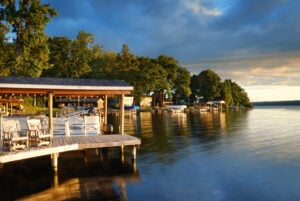
There are a lot of people who dream of owning waterfront properties. It is quite obvious to see why these properties are desirable because waking up every morning to the tranquility provided by water views is something everyone wants. In addition, being able to enjoy all the fun activities associated with water adds to the high demand for these types of properties. Nevertheless, buying waterfront homes needs a much more careful assessment compared to other inland houses. Apart from looking at the condition of the property, there are other issues one needs to consider.
Primary Elevation and Flood Risk Evaluation
When considering a shoreline property, the two most important factors in the evaluation are the property elevation and the designated flood zones. Properties that are close to lakes, rivers, or coastal areas face unique hazards associated with the rise of water level and seasonal changes.
- FEMA Flood Zone: Look up the FEMA flood zone maps to check if the home is located in one of the high-risk zones (e.g., Zone A or Zone V). Being in the zone directly affects the insurance and construction needs.
- Premium Rates for Insurance: Premiums for insurance for water-based properties can be very high. Include the annual premiums in your calculations in terms of your mortgage payments at an earlier stage.
- Base Flood Elevation (BFE): Verify if the living space is located above the Base Flood Elevation of the area. Properties that are elevated through piers or pilings usually have more affordable insurance policies.
Water Depth, Clarity, and Seasonal Fluctuations
All shores may not be equal in terms of usability of water. Based on the kind of lifestyle that you wish to live, be it boating, kayaking, or swimming, you have to look into the depth and condition of the water at the very borders of the land.
- Seasonal Changes in Water Level: Most of the lakes and reservoirs experience seasonal changes wherein the water level gets drawn down quite drastically in winters or the dry season.
- Mobility and Clearance: For those owning big boats, make sure that any low-clearance bridge or any other problem like shallower coves or restricted channels does not hinder your reach to open water.
- Water Clarity: Ask about the clarity of water, presence of weeds and algae.
Shoreline Conditions, Docks, and Seawall Integrity
The real shoreline is the true shield that prevents any erosion of your investment property. An examination of any existing waterfront construction is mandatory when making an offer.
- Seawall/Bulkhead Inspection: The retaining wall prevents the erosion of the soil by waves in the water. Have a professional marine contractor check for cracks, tilting, or lack of soil behind the wall.
- Dock Structures: Check the quality of any existing docks, piers, or boat lifts. Ensure that all the construction has permits from the local government agency to construct such structures.
- Dock Structures Extension: When no docks exist on the property, you shouldn’t assume that you will put some there.
Understanding Local Zoning, Setbacks, and Environmental Restrictions
Shoreline property must be in accordance with stringent environmental regulations and zoning rules aimed at conserving the habitat.
- Buffer Zone: Some cities insist on having an open vegetation buffer zone at the shoreline with no building taking place within a specified distance from the shoreline.
- Building Setback: In case you intend to construct or remodel your building, it is important that you get to know about stringent setback requirements concerning how close you can build from the shoreline.
- Riparian Rights: In case of using the water, dock construction, and shoreline maintenance, you need to understand the riparian rights of the property.
Materials and Saltwater or High-Moisture Resistance
Homes that are located close to water have more severe atmospheric conditions compared to those farther away from water bodies. Exposure to high levels of humidity, moisture, and atmospheric salt will result in more wear on a home’s structure.
A highly humid area necessitates using materials that are resistant to corrosion when used in fasteners, tie rods, and outdoor hardware, such as stainless steel or coated metals. In addition, fiber cement cladding, composite deck, and exterior paint are much more resistant to humidity and solar radiation compared to ordinary wood.
Community Amenities, Location, and Long-Term Value
Apart from the house, the immediate environment and larger area around it will affect your way of life. Those searching for a community that has the beautiful view of a lake along with recreation facilities outside should look into premier communities like Duckett Pointe to get a sense of luxury waterfront living.
- Access to Essentials: It should be confirmed that everything required in terms of services, hospitals, grocery stores, and marinas is easily accessible.
- Renting Restrictions: In case of renting your house in the short term, it should be known what kind of restrictions apply from the local municipality and Homeowners Association (HOA).
- Property Value: With the availability of waterfront property being limited in its own right, it offers great potential for equity in the long run.
Conclusion
Investing in a property near water is a remarkable move that offers exceptional benefits. Careful evaluation of the property’s flooding history, determination of water depths, evaluation of the structural stability of the shoreline, and assessment of zoning laws in the area will ensure that you have made a sound decision and one with confidence. Performing adequate research on such waterfront homes will ensure years of satisfaction with them. Brands like Duckett Pointe provide thoughtfully developed, premier lakefront communities that maximize scenic views, modern residential amenities, and long-term investment value.
Frequently Asked Questions
What are the key factors to evaluate when inspecting waterfront homes?
When examining waterfront homes, take into consideration flood zoning, shoreline stability, water depth, and structural condition. Check seawalls, docks, and piers for any signs of wear and tear. Elevation must be used to minimize chances of flooding, zoning laws must be known, and materials must be capable of withstanding high levels of humidity.
How do seasonal changes affect water depth and property access?
Seasonal variations will determine the water levels due to changes in the rainfall pattern, reservoir level, or even due to drought. A reduction in water level will restrict boat movement and activities that can be done on water for some specific months. It is necessary to review past water level records and confirm water navigation throughout the year before purchase.
Are insurance rates for waterfront properties more expensive than those of inland properties?
Yes, since insurance rates are bound to be high due to the higher risks of waterfront homes being damaged by floods, storms, heavy winds, and erosion. In most cases, one will need to take hazard insurance and flood insurance apart from homeowner insurance. One can seek guidance from an insurance expert in order to calculate annual carrying costs.
What kinds of permits will be required for constructing or extending the dock?
In order to construct or extend the dock, one will require specific permits from municipal committees, environmental agencies, or water authority departments. Zoning laws limit the size and shoreline location of docks in order to protect marine life within the area. Avoid any kind of alteration of shoreline structures without obtaining the necessary permits.
Why is independent professional inspection of vital importance in shoreline properties?
This is because the inspection highlights structural wear, marine life damage, erosion of the seawall, and many other problems that might not come up through the standard inspection process. The inspection involves the inspection of the underwater structure for any problems associated with dock and flood protection purposes.