



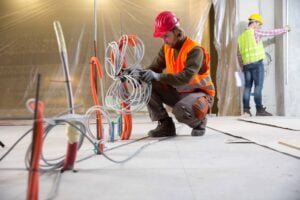


Work zone safety equipment plays a critical role in protecting workers, equipment operators, contractors, and the public around construction and infrastructure projects. Whether a crew is working on a highway, installing underground utilities, performing road maintenance, or operating heavy machinery, the right safety equipment helps reduce hazards and maintain an organized work environment. Selecting suitable work zone safety equipment is an important step toward improving jobsite awareness, supporting regulatory compliance, and keeping projects moving efficiently.
As construction projects become more complex, contractors need reliable safety solutions that address changing site conditions. Proper planning, visible warning systems, traffic control devices, and personal protective equipment can help crews manage risks and work with greater confidence.
Why Work Zone Safety Equipment Matters
Construction zones often contain moving vehicles, heavy machinery, uneven surfaces, open excavations, and restricted access areas. These conditions can create hazards for workers and anyone passing through or near the site. Work Zone Safety Equipment helps establish clear boundaries, communicate potential dangers, and guide people safely around active operations.
Effective safety planning is especially important for road construction, trenching, underground utility installation, and heavy equipment operations. Workers may need to coordinate with equipment operators, delivery drivers, subcontractors, and traffic moving through nearby roads. Clearly marked work areas and visible warnings help reduce confusion and improve communication.
Using appropriate equipment also supports project organization. When workers can identify designated routes, restricted areas, and equipment operating zones, crews can coordinate tasks more effectively and reduce unnecessary exposure to hazards.
Essential Types of Work Zone Safety Equipment
Different construction environments require different safety solutions. Contractors should assess the worksite, identify potential hazards, and select equipment suitable for the project’s location, duration, and operating conditions.
Traffic Cones and Channelizing Devices
Traffic cones are commonly used to guide vehicles, identify temporary lane changes, and separate active work areas from public traffic. Their visibility makes them useful for road maintenance, utility repairs, and short-term construction activities.
Other channelizing devices may include delineators, barricades, and vertical panels. These products help create recognizable traffic patterns and communicate where drivers and pedestrians should travel. For roadside projects, contractors should select devices that meet applicable requirements for visibility, reflectivity, placement, and expected traffic conditions.
Safety Barriers and Barricades
Barriers and barricades help establish physical boundaries around hazardous areas. They can be used near excavations, equipment staging areas, restricted access points, and temporary construction zones.
The appropriate barrier depends on the level of protection required. Lightweight barricades may help identify restricted areas, while projects involving moving traffic or significant impact risks may require engineered traffic barriers or other approved protective systems. Contractors should not assume that a lightweight warning barricade can provide vehicle-impact protection.
Warning Signs and High-Visibility Markers
Warning signs communicate important information before people enter a potentially hazardous area. Common examples include roadwork warnings, detour instructions, reduced-speed notices, equipment movement warnings, and signs identifying restricted access.
Signs should be positioned where workers, drivers, and pedestrians have sufficient time to recognize and respond to the information. Their placement, size, reflectivity, and wording should be appropriate for the operating environment and applicable traffic-control requirements.
High-Visibility Safety Apparel
High-visibility vests, shirts, jackets, and other approved garments help workers remain noticeable around moving vehicles and machinery. This equipment is particularly important for road crews, flaggers, utility workers, and personnel working in low-light conditions.
The required garment class and performance characteristics depend on the job, exposure level, and applicable safety standards. Employers should assess the work environment and provide appropriate apparel rather than relying on ordinary clothing or reflective accessories alone.
Lighting and Visibility Equipment
Construction work may continue during early mornings, evenings, nighttime hours, or periods of poor visibility. Portable work lights, illuminated warning devices, and suitable reflective materials can help improve visibility for workers and equipment operators.
Lighting should be positioned to illuminate work areas without creating excessive glare or blinding drivers. Contractors should also inspect equipment regularly to confirm that lights, batteries, and other components remain functional.
Personal Protective Equipment
Personal protective equipment, commonly known as PPE, provides an additional layer of protection against job-specific hazards. Depending on the work being performed, workers may need hard hats, protective footwear, safety glasses, hearing protection, gloves, and respiratory protection.
PPE requirements should be determined through a hazard assessment. Equipment must be appropriate for the task, correctly fitted, maintained in serviceable condition, and used alongside other necessary safety measures.
Choosing the Right Equipment for Construction Projects
Selecting work zone safety equipment requires more than purchasing standard traffic cones and warning signs. Contractors should consider the site’s layout, traffic speed, weather conditions, lighting, excavation hazards, equipment movements, and the number of workers exposed to potential risks.
For example, a short utility repair on a quiet access road may require a different traffic-control arrangement than a major highway project. Similarly, a trenching operation may need clearly defined exclusion zones, suitable barricades, warning signs, and protective measures for excavation hazards.
Durability is another important consideration. Equipment used outdoors must withstand expected exposure to sunlight, rain, dust, temperature changes, and frequent handling. Products should be inspected for cracks, fading, missing components, and other damage that could reduce their effectiveness.
Contractors should also consider portability and storage. Crews that regularly move between jobsites may benefit from equipment that can be transported, installed, and removed efficiently without compromising safety.
Work Zone Safety for Heavy Equipment Operations
Heavy machinery introduces additional risks in construction zones. Excavators, loaders, drilling equipment, trenching machines, and other vehicles may have blind spots, limited maneuverability, and significant stopping distances. Workers on foot must remain aware of machine movements and follow established communication procedures.
Clearly marked equipment operating zones can help separate pedestrians from moving machinery. Designated travel paths, restricted access areas, appropriate warning devices, and trained spotters may also be necessary, depending on the task and site conditions.
Before work begins, supervisors should communicate equipment routes, loading areas, reversing procedures, and emergency arrangements. Operators should follow established signals and communication protocols, while workers should avoid entering restricted areas without authorization.
Work zone safety equipment supports these measures by improving visibility and identifying boundaries. However, cones and signs alone cannot eliminate the risks associated with heavy machinery. Safe operating procedures, training, equipment maintenance, and effective supervision remain essential.
Best Practices for Maintaining Work Zone Safety Equipment
Even well-selected safety equipment can become ineffective if it is damaged, incorrectly positioned, or poorly maintained. Regular inspections help ensure that equipment remains suitable for the conditions in which it is being used.
Before each shift, crews should check traffic-control devices, warning signs, barriers, lights, and PPE for visible damage or missing components. Defective items should be repaired or replaced before they are relied upon for protection.
Equipment should be positioned according to the approved work zone plan and applicable requirements. As work progresses, crews should reassess the layout and relocate devices when necessary. Changes in traffic patterns, weather, visibility, or construction activities may require additional precautions.
Training is equally important. Workers should understand the purpose of each safety device, know how to install it correctly, and recognize when conditions require the work zone to be adjusted. Supervisors should reinforce safe practices through toolbox talks, site inspections, and ongoing communication.
Compliance and Work Zone Safety Planning
Work zone safety requirements vary by project type, location, and the hazards involved. Road construction and maintenance projects may be subject to specific traffic-control standards, while excavation and heavy equipment operations can require additional protective measures.
In the United States, contractors should review applicable Occupational Safety and Health Administration requirements and relevant Federal Highway Administration guidance, along with state and local traffic-control rules. Projects should use the applicable version of the governing standards and any requirements specified in the contract.
A comprehensive work zone safety plan should identify potential hazards, establish traffic-control arrangements, define restricted areas, assign responsibilities, and explain emergency procedures. The plan should be reviewed when site conditions change or new hazards emerge.
Purchasing suitable equipment is only one part of this process. Proper installation, employee training, routine inspections, and consistent enforcement of safety procedures are necessary to make safety measures effective.
Supporting Safer Construction Operations with Reliable Equipment
Reliable construction equipment and well-planned safety practices work together to support productive jobsites. Contractors involved in roadwork, underground utilities, trenching, and other infrastructure projects should evaluate their safety requirements before mobilizing crews and machinery.
Wolf Machinery & Supply serves the construction and underground utility industries with equipment and related solutions for demanding field operations. Contractors can explore the company’s available products and resources to identify equipment relevant to their project requirements. For suitable equipment information, visit Wolf Machinery & Supply.
When evaluating any supplier, buyers should confirm product specifications, availability, intended application, and compatibility with their safety plan. Work zone safety equipment must be selected according to the actual hazards and applicable requirements rather than appearance or price alone.
Conclusion
Work zone safety equipment is an essential component of construction planning, helping contractors improve visibility, establish boundaries, manage traffic, and protect workers around active operations. Traffic cones, barriers, warning signs, high-visibility apparel, lighting, and task-appropriate PPE all contribute to a more controlled work environment when selected and used correctly.
For contractors handling road construction, underground utilities, and heavy machinery, the best approach combines suitable equipment with hazard assessments, employee training, regular inspections, and clear operating procedures. By making safety a priority throughout every stage of a project, construction teams can reduce preventable risks, improve coordination, and support safer, more efficient jobsite operations.