





Ask anyone who’s cleared a lot in North Alabama and you’ll hear the same story: the quote and the final bill weren’t the same number. Brush grows thick down here, and underneath it there can be rusted wire fencing, a field of old stumps, or a soft patch of ground that swallows a skid steer to the axles. None of that is visible from the road.
Most of those surprises trace back to a decision made before the crew ever showed up. So if you’re about to book land clearing services near me, these are the six mistakes worth dodging first.
1. Leaving “What Stays” Vague
“Clear the lot” sounds like a complete instruction. It isn’t. You might picture the brush gone and three nice oaks left standing by the road. An operator working from a five-minute phone call might picture bare dirt. Both readings are reasonable, and only one of them leaves you happy.
Walk the property together before anyone starts a machine. Tie ribbon around the trees you’re keeping; point to where the house, driveway or shop will eventually sit. Take a few photos on your phone, then make sure the key points land in the written quote. A tree can’t be put back once it’s down.
2. Grabbing the Cheapest Number
Say three quotes come in at $2,800, $4,100, and $4,600. It’s tempting to call the first guy. But read what each one actually includes. The low bid might stop at knocking vegetation over, with stumps, hauling, and cleanup all billed separately. The high one might run all the way through a final rake-out.
Ask every contractor for an itemized quote and line them up side by side. Vegetation, stumps and roots, debris, cleanup, rough grading. Same list, every bid. More often than not, the cheapest quote is simply the one with the most left out.
3. Not Asking About Insurance
Clearing work means heavy equipment, falling timber, and uneven ground, all at once. If a worker gets hurt on your lot or a limb comes down on the neighbor’s shed, you’d rather learn about the contractor’s coverage before that happens, not after.
Ask for proof of liability insurance, plus workers’ comp if they have a crew. Then ask about experience, and be specific. Has the contractor worked ground like yours? Someone who regularly handles wet, soft soil near the Tennessee River and Wheeler Lake will approach your property differently than someone who mostly mows flat pasture.
4. Skipping Permits, Utilities and Property Lines
Of all the mistakes on this list, this one catches careful people the most.
Alabama requires a call to 811 before digging so buried lines get marked. Hitting a gas line or a fiber bundle is dangerous and expensive, and a free phone call prevents it. Past that, check with your city or county about land disturbance rules, especially on bigger parcels. Planning to burn what you clear? You’ll generally need a burn permit from the Alabama Forestry Commission, and burn bans can appear fast during a dry stretch.
Then there’s the boundary. Get your property lines confirmed before the equipment arrives. Pushing a few feet onto a neighbor’s land can start a dispute that costs far more than the clearing did.
5. Forgetting About Stumps and Debris
Everyone pictures the trees coming down. Nobody pictures the aftermath, and that’s where budgets quietly fall apart.
Stumps can be ground below the surface, pulled out whole, or left alone. Each choice has a different price and a different result. If a foundation, driveway, or septic field is going in later, leftover stumps and roots are a problem, since they rot and the ground settles unevenly over them.
Debris works the same way. Brush and logs can be chipped, hauled away, burned where it’s allowed, or stacked for firewood. Pick one before work starts and get it into the agreement. Otherwise you end up with a pile the size of a pickup truck and no plan for it.
6. Ignoring Drainage and Erosion
Plants hold soil in place. Take them away, and the next hard rain will carry red clay into your yard, onto the road, or into someone else’s property. Alabama gets plenty of rain, and bare ground doesn’t hold up against it.
A solid plan looks past the clearing itself. That could mean rough grading so water runs away from your future building spot, silt fence along slopes, or seed and straw over exposed soil until grass takes hold. If your contractor never mentions erosion, bring it up yourself. Preventing a washout costs a fraction of what fixing one does.
Final Thoughts
Clearing a property is the first real step of almost any project, and the choices you make beforehand decide how smooth everything after it feels. Spell out the scope, compare quotes fairly, check insurance, handle the utility call and permits, plan for debris, and think about water from the start.
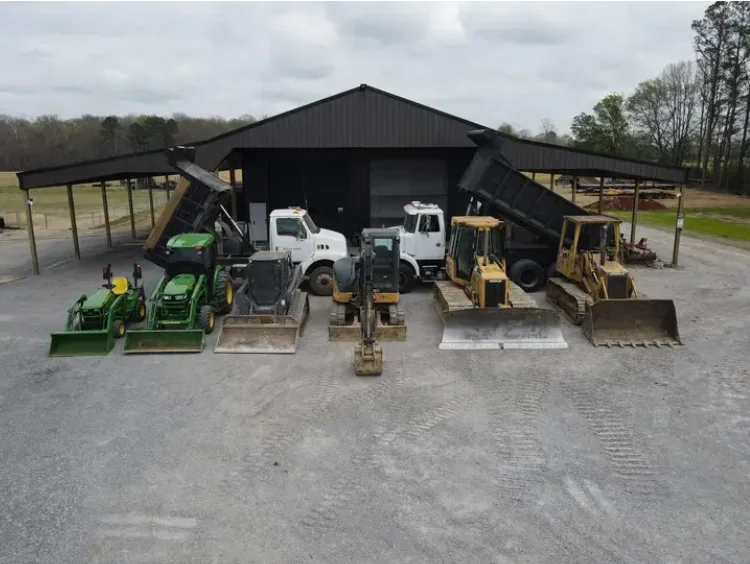
When you start searching for land clearing services near me, look for a crew that understands local terrain and treats clearing as one piece of a larger job. Hiring a full-service team like Woods Landscaping & Dirt Work LLC saves you the hassle of juggling multiple contractors. They take care of land clearing, grading, drainage, and site prep all at once, turning an overgrown plot into a build-ready site.
Frequently Asked Questions
1. How much does it cost to clear land?
Costs depend on acreage, how thick the growth is, the slope, and what you want done with the debris. A lightly brushy flat lot runs far less than mature hardwoods on a hillside. Most contractors price by the acre or by the hour, so get a number after a site visit.
2. Do I need a permit before clearing my property?
It depends on your city and county, so call the local office first. Open burning usually requires a permit from the Alabama Forestry Commission, and bigger sites may need erosion controls. Calling 811 before digging is required in every case. A good contractor will help you sort through all of it.
3. How long does a clearing project take?
A one- or two-acre residential lot often takes a few days if the weather behaves. Big timber, deep stumps, steep ground, and soggy soil all slow things down. Rain delays happen often in North Alabama, so leave yourself some slack instead of counting on one exact finish date.
4. What’s the difference between clearing and grubbing?
Clearing takes out trees, brush, and everything growing above ground. Grubbing digs out the stumps and roots below it. If you’re building anything on the spot, whether a house, shed, or driveway, you’ll want both. Check which one your quote actually covers before you sign, so nothing gets missed.
5. Should I get an estimate before buying land?
Yes, if you can manage it. Thick growth can hide drainage trouble, rock, floodplain, or old dumping that changes what the property really costs. A short walk with a contractor before closing gives you realistic numbers while you can still negotiate the price down.