




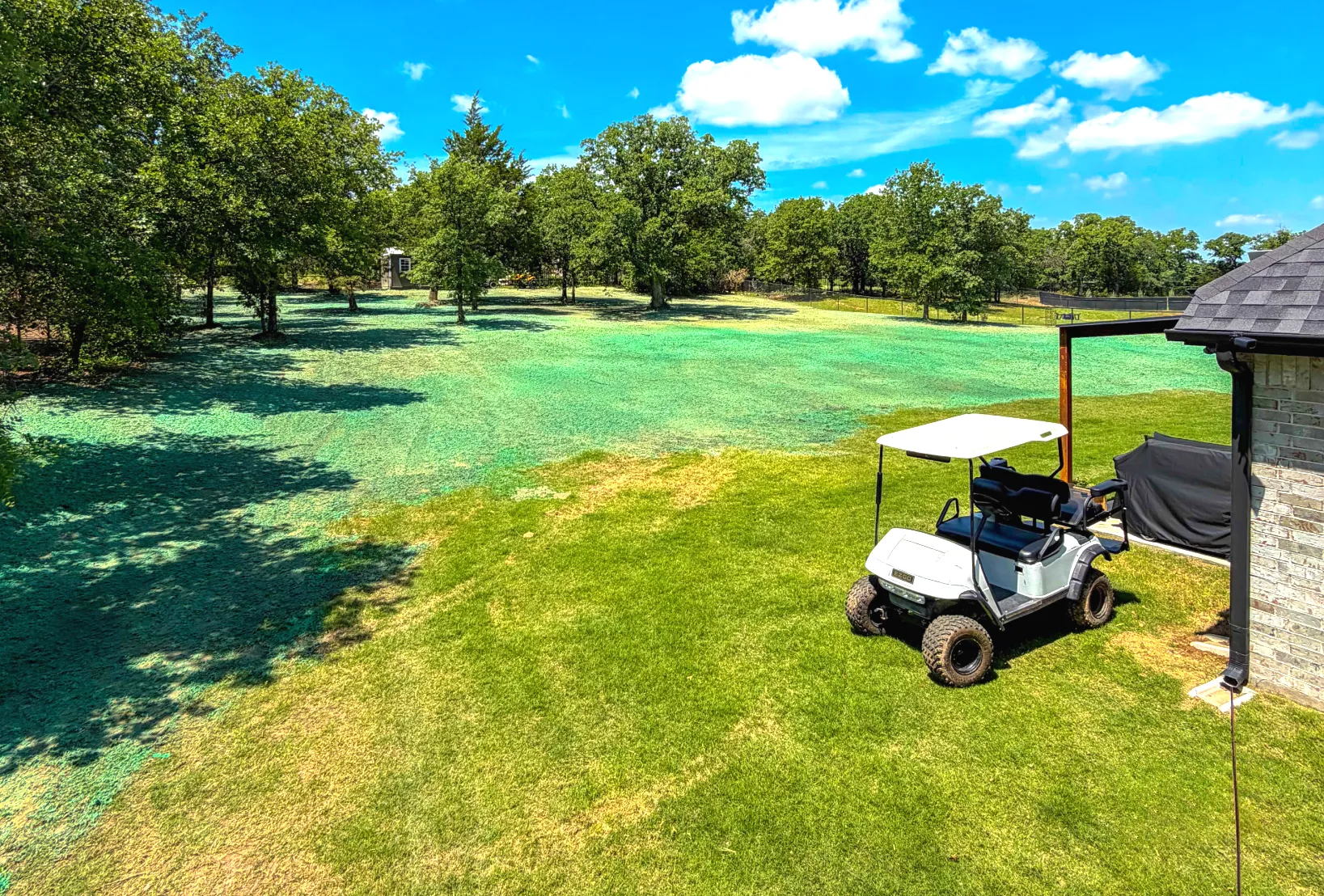
Establishing a healthy, attractive lawn in North Texas requires more than choosing good-quality grass seed. The region’s hot summers, unpredictable rainfall, occasional winter freezes, and varying soil conditions can make grass establishment challenging for homeowners and property managers. Selecting an appropriate planting method is equally important, especially when working with newly developed properties, large lawns, or areas with exposed soil. Hydroseeding North Texas has become a practical landscaping solution because it combines grass seed, water, mulch, and other essential materials into a mixture that can be evenly applied to prepared ground.
Unlike traditional broadcast seeding, hydroseeding provides a protective mulch layer that helps retain moisture and keeps seeds in place during early growth. This method can be used for residential lawns, commercial properties, construction sites, and landscape restoration projects. However, achieving successful results requires an understanding of local climate patterns, soil characteristics, grass varieties, and proper maintenance practices. This guide explains how these factors influence hydroseeding and what property owners should consider before starting a project.
Understanding North Texas Climate and Its Impact on Hydroseeding
North Texas experiences significant seasonal temperature changes that influence grass growth throughout the year. Summers are generally hot, with periods of intense sunlight and limited rainfall that can quickly dry exposed soil. Winters bring cooler temperatures and occasional freezing conditions, while spring and fall offer changing weather patterns that may create favorable opportunities for planting. These conditions make installation timing an important consideration for anyone planning a new lawn.
Warm-season grasses are commonly selected for North Texas properties because many varieties tolerate summer temperatures and perform well during the region’s active growing season. Bermuda grass is a popular option for sunny locations because it handles heat, sunlight, and regular foot traffic once established. Zoysia is another possibility for certain properties, although its establishment characteristics and maintenance requirements differ. The right choice depends on sunlight exposure, soil quality, irrigation availability, and the intended use of the lawn.
Weather conditions also influence how quickly newly applied seeds germinate. Extremely hot temperatures, strong winds, and insufficient rainfall can increase moisture loss from the soil surface. Although hydroseeding mulch helps protect seeds and maintain moisture, it cannot replace consistent irrigation. Property owners should work with experienced contractors who understand local seasonal conditions and can recommend an appropriate installation schedule.
How North Texas Soil Conditions Affect Hydroseeding Results
Soil quality is one of the most important factors influencing successful grass establishment. North Texas properties can have different soil compositions depending on their location, previous land use, and surrounding environment. Some areas contain heavy clay soils that hold moisture but may drain slowly, while others have more compacted or sandy ground. These differences influence water movement, nutrient availability, and the ability of young grass roots to develop properly.
Clay-heavy soil can present challenges because it may become hard and compacted when dry. When wet, it can retain excessive moisture and become difficult to work with. Sandy soil generally drains more quickly, which can create difficulties in maintaining consistent moisture during germination. Understanding these characteristics allows contractors to recommend appropriate preparation methods and determine whether soil amendments are necessary.
Before beginning a hydroseeding project, the ground should be inspected for compaction, drainage problems, debris, and nutrient deficiencies. Soil testing can provide useful information about pH levels and available nutrients, helping property owners make more informed decisions about fertilizer and soil amendments. In many situations, loosening compacted soil and improving the seedbed can create better conditions for seed-to-soil contact.
Proper grading is equally important, particularly for properties with slopes or uneven surfaces. Poor drainage can cause water to collect in certain areas, while excessive runoff may carry seeds and mulch away before the grass becomes established. Addressing these issues before application can improve the overall planting environment and support more consistent vegetation growth.
Selecting the Best Grass Varieties for North Texas Properties
Choosing the right grass variety is essential because different grasses have different environmental requirements. A variety that performs well in a sunny backyard may struggle in a shaded area or a property with limited irrigation. Homeowners should consider sunlight exposure, expected foot traffic, maintenance preferences, and the amount of water available before selecting a seed mixture.
Bermuda grass is one of the commonly used options for North Texas lawns. It performs well in sunny locations, tolerates heat, and can recover from regular activity once established. This makes it suitable for many residential yards, commercial landscapes, and recreational spaces. However, Bermuda generally requires substantial sunlight, so it may not be the best choice for heavily shaded properties.
Zoysia grass can be considered when a property owner wants a dense lawn with good wear tolerance. Certain varieties are available as seed, while others must be established through sod, plugs, or sprigs. This distinction matters because not every desirable grass variety can be installed through hydroseeding. Contractors should verify that the selected variety is suitable for seed-based application before recommending it.
Buffalograss may also be appropriate for certain sunny properties where lower water requirements and a more natural landscape are priorities. Its suitability depends on the specific site and expected lawn appearance. A professional evaluation helps determine whether Bermuda, Zoysia, Buffalograss, or another grass variety is the most practical choice for the property’s conditions.
The Hydroseeding Process: From Soil Preparation to Application
A successful hydroseeding project begins with proper site preparation. Contractors typically start by evaluating the property, measuring the area, identifying drainage concerns, and examining the condition of the existing soil. Unwanted vegetation, rocks, construction debris, and other obstacles may need to be removed before planting. If the ground is compacted, mechanical preparation may be necessary to create a suitable seedbed.
Once the soil is ready, the hydroseeding mixture is prepared using specialized equipment. It generally contains water, grass seed, and mulch, with fertilizer, soil amendments, and tackifiers added when appropriate. These materials are mixed inside a hydroseeding tank to create a slurry that can be distributed through spraying equipment. The mulch helps hold the seeds in place and creates a protective covering over the soil.
During application, the contractor distributes the mixture across the designated area while maintaining consistent coverage. Hoses and specialized spray equipment make it possible to reach different sections of the property, including certain slopes and areas that are difficult to seed manually. The application rate and material mixture should be adjusted according to the site’s characteristics and the selected grass variety.
After installation, the focus shifts toward moisture management and early grass development. Newly seeded areas need regular watering to prevent the surface from drying out. Watering instructions should reflect the grass variety, soil type, weather, and irrigation system available. Property owners should also limit foot traffic and avoid disturbing the mulch while the seeds begin germinating.
Benefits of Finding Residential Hydroseeding Near Me
Homeowners searching for residential hydroseeding near me are often looking for an affordable and efficient way to establish a new lawn or improve an existing outdoor space. Hydroseeding can be particularly useful for newly constructed homes where the soil has been disturbed during building activities. It can also help restore bare patches, improve larger lawn areas, and establish grass across uneven sections of residential properties.
One of the main benefits is the potential for lower installation expenses compared with traditional sod. Sod provides immediate surface coverage, but purchasing and installing established grass can require considerable labor and material costs. Hydroseeding applies seed directly to prepared soil, making it an attractive alternative for homeowners who can allow time for natural grass development.
Another advantage is flexibility. Contractors can recommend seed mixtures based on the property’s sunlight, soil conditions, and maintenance preferences. This allows homeowners to select a lawn solution that fits their outdoor environment rather than relying on a standard grass variety for every situation. Hydroseeding can also provide relatively uniform coverage when the ground is properly prepared and the mixture is applied correctly.
Working with a local contractor can make the planning process easier because experienced professionals understand regional growing conditions and common landscaping challenges. Before hiring a company, ask about its experience, equipment, seed quality, preparation services, and maintenance recommendations. Requesting a detailed estimate also helps homeowners understand what is included in the installation price.
Maintenance, Costs, and Common Hydroseeding Challenges
Hydroseeding costs vary depending on property size, seed selection, soil preparation, accessibility, and the materials used. A small residential lawn may have a higher cost per square foot than a larger project because equipment setup and transportation expenses are spread across a smaller area. Additional grading, debris removal, drainage improvements, and soil amendments can also increase the total investment.
After installation, irrigation becomes one of the most important parts of lawn establishment. The soil should receive enough moisture to support germination without becoming saturated. Overwatering can create runoff, move seeds, and encourage certain lawn problems, while insufficient watering may cause newly germinated grass to dry out. Following professional watering instructions helps maintain suitable conditions during early growth.
Weed competition is another potential challenge. Existing weeds can interfere with new grass by competing for sunlight, water, and nutrients. Proper site preparation helps reduce this risk, although some weed growth may still occur. Property owners should consult their contractor before applying weed-control products because certain treatments can damage newly established grass.
Mowing should begin only after the grass has developed sufficiently and reached an appropriate height for its variety. Regular inspections can help identify bare patches, drainage issues, and areas with inconsistent growth. If problems appear, addressing them early may prevent more extensive repairs. A realistic maintenance plan is essential for protecting the investment made during installation.
Conclusion
Successful Hydroseeding North Texas projects require careful consideration of climate, soil conditions, grass selection, and ongoing maintenance. The region’s hot summers, variable rainfall, and different soil types make proper planning especially important for establishing healthy vegetation. By evaluating the property before installation and selecting grass varieties suited to local conditions, homeowners can create a stronger foundation for long-term lawn development.
Whether you are planning a new backyard, restoring damaged grass, or searching for residential hydroseeding near me, choosing an experienced contractor can make the process more manageable. Professional soil preparation, quality materials, appropriate application techniques, and consistent irrigation all contribute to successful establishment. With the right approach, hydroseeding can help transform bare or underdeveloped outdoor areas into attractive green spaces that complement your property and provide lasting landscaping value.