




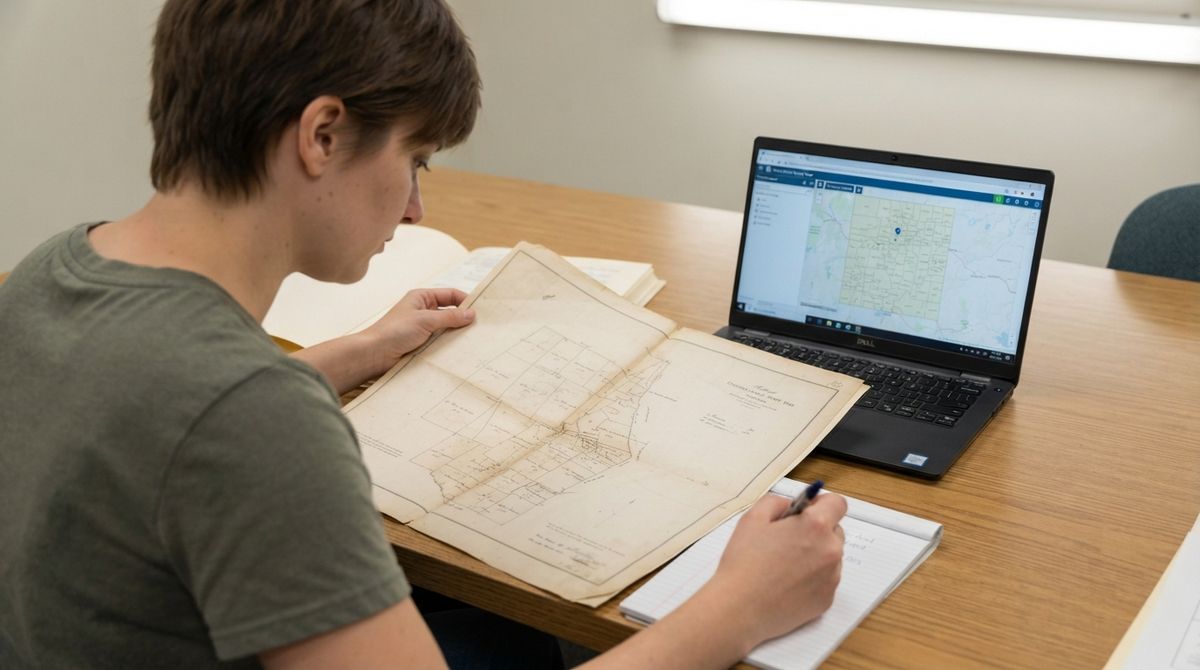
Modern technology has fundamentally changed how we work, communicate, and entertain ourselves. While digital tools have increased our efficiency, they have also created a constant state of connectivity that often leaves us feeling overwhelmed. Achieving balance requires a conscious effort to separate our lives from our screens, ensuring that our devices remain tools for productivity rather than masters of our attention.
Recognizing When Your Digital Consumption Stalls Productivity
Productivity is not merely about the amount of work completed but also about the quality of that work and your mental state while doing it. Digital consumption often disguised as research or networking can quickly devolve into aimless browsing. This habit, frequently driven by notifications and the endless stream of updates, interrupts the deep work necessary for complex tasks. It is essential to recognize the signs of screen fatigue, which may manifest as difficulty focusing, reduced creativity, or a general sense of being perpetually rushed. When you notice these symptoms, it is time to reassess how you engage with your devices during the day.
Stepping back does not require abandoning technology entirely. Instead, it involves being more intentional about when and how you engage with your digital workspace. This intentionality allows you to regain control over your schedule and energy. By treating your time as a limited resource, you become more selective about the digital stimuli you allow into your day.
Implementing Intentional Tech-Free Intervals
One of the most effective strategies for maintaining focus is the implementation of scheduled tech-free intervals. These are periods dedicated to tasks that require absolute focus or moments of complete rest. During these times, silencing notifications and setting your devices to a non-intrusive mode helps to prevent unwanted interruptions. If a task requires complete concentration, consider moving to a different location or physically removing the device from your sight until the task is complete.
Consistency is key when establishing these intervals. Over time, your brain will adapt to these periods of quiet, making it easier to enter a state of deep focus when required. It is important to remember that these intervals are not just about working; they are equally about giving your mind the necessary break from digital input to recover and reset. This practice significantly enhances your ability to return to your tasks with renewed vigor.
Finding Healthy Distractions Beyond Your Devices
When you do step away from the digital world, it is helpful to have engaging, offline activities to turn to. Many people find that their minds are constantly seeking stimulation, which is why we often reach for our phones during downtime. Instead, cultivate interests that offer a different type of reward. Whether it is reading a physical book, practicing a craft, or simply observing your surroundings, these activities provide a necessary change of pace.
For those looking for interesting information away from the mainstream digital noise, seeking out unique sources of information can be refreshing. For example, exploring unusual stories from different parts of the world can be a great way to broaden your horizons and find inspiration that is entirely disconnected from your typical digital feeds, much like what you might find on igiveonline.com. This type of mental engagement is different from the usual consumption patterns, as it encourages curiosity without the pressures of immediate interaction.
Integrating Offline Hobbies into Your Tech Workflow
Integrating hobbies that require tangible, physical action into your daily or weekly routine provides a necessary balance to tech-heavy work. Hobbies that engage your senses, such as cooking, gardening, or building things, serve as excellent counterweights to the abstract nature of digital work. These activities demand a different kind of attention, one that is grounded in the physical world.
Consider the process of preparing a meal. It involves careful preparation, timing, and sensory engagement, all of which are excellent for helping you disconnect from the digital environment. For inspiration on finding new culinary projects, resources like Resepna Star offer a way to explore new ideas that focus on simple, physical enjoyment of high-quality food. These activities provide a clear, achievable goal that is separate from your professional objectives, helping you to feel more grounded at the end of a busy day.
Simple Steps to Begin Your Offline Transition
- Set a specific time each evening to turn off non-essential notifications.
- Create a dedicated physical space for your hobbies that is free from technology.
- Use a physical planner or notebook to track your goals for the day rather than a digital app.
- Dedicate a short period each day to being completely disconnected from the internet.
- Engage in an activity that focuses on sensory experiences, like cooking or gardening.
Establishing Sustainable Boundaries with Technology
Long-term success in managing your digital life depends on establishing sustainable boundaries. These boundaries must be adaptable to your changing work and personal needs. It is rarely effective to have rigid rules that you break frequently; instead, focus on creating adaptable guidelines that support your goals. Periodically review your habits and adjust your boundaries as you learn what works best for you and your lifestyle.
A crucial part of this process is ensuring your physical workspace supports these boundaries. As we have discussed in our previous guide on how to optimize your remote workspace environment, setting up your physical surroundings is a fundamental step. When your workspace is organized and purposeful, it becomes easier to know when to engage with tech and when to step away from it entirely, fostering a more balanced approach to both work and rest.
By consciously curating how you interact with technology, you protect your focus and your mental well-being. The goal is not to eliminate technology, but to ensure that it remains a tool that serves you rather than an obstacle to your productivity and peace. With consistent practice and a clear commitment to balance, you can create a more fulfilling and intentional relationship with the digital tools that define our modern lives.