





Acne can be frustrating while it is active, but the marks and scars it leaves behind may continue to affect the skin long after breakouts have settled. Uneven texture, small depressions, raised scars, and dark marks can make the skin appear less even. Fortunately, several treatment options are available to improve the appearance of acne scars and support healthier-looking skin.
Choosing the right acne scar treatment in Dubai starts with understanding the type of scarring, its severity, skin sensitivity, and individual treatment goals. Some marks gradually fade with time and appropriate skincare, while deeper scars may require professional procedures. A personalised approach can help patients understand which options may be suitable and what results they can realistically expect.
At Minal Medical Centre, patients can seek guidance on skin concerns and discuss suitable approaches to improving skin appearance. Understanding the available treatments is an important first step towards making informed skincare decisions.
What Are Acne Scars?
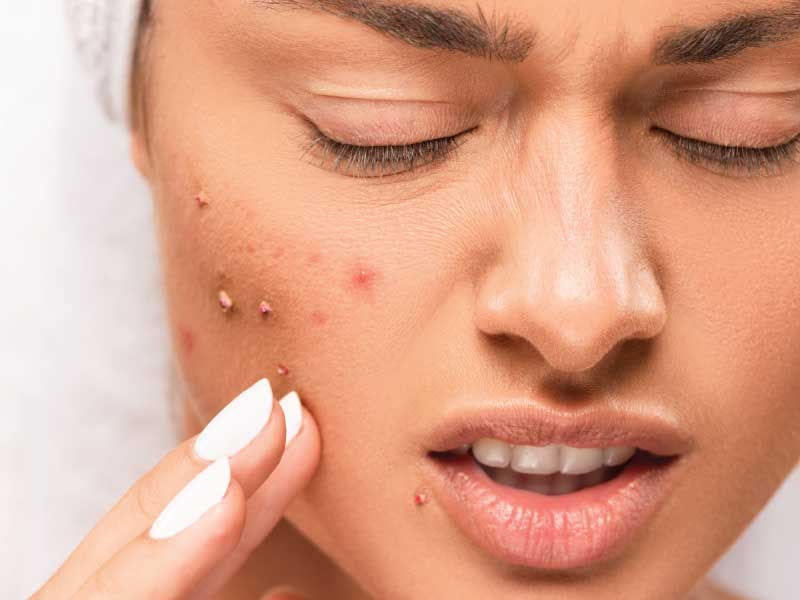
Acne scars are changes in the skin that develop after inflammatory acne damages the surrounding tissue. They may appear as depressions, raised areas, or changes in skin colour. Not every mark left by acne is a permanent scar, so identifying the difference is important before choosing treatment.
Acne-related marks generally fall into two categories:
- Post-inflammatory hyperpigmentation: Flat brown or dark marks that develop after inflammation. These are changes in pigmentation rather than true scars.
- Post-inflammatory erythema: Flat pink, red, or purplish marks that remain after a breakout, depending on skin tone.
- Atrophic scars: Depressions caused by a loss of collagen and supporting tissue.
- Hypertrophic scars and keloids: Raised scars caused by excess collagen production during healing.
Each type responds differently to treatment. A skincare product that helps fade dark marks, for example, may not significantly improve deep depressions or raised scars.
What Causes Acne Scarring?
Acne scarring occurs when inflammation interferes with the skin’s normal healing process. Deeper and more inflamed acne lesions, including nodules and cysts, are more likely to cause lasting scars than mild surface breakouts.
Several factors can increase the likelihood of scarring:
- Picking, squeezing, or repeatedly touching pimples.
- Delaying treatment for persistent inflammatory acne.
- Having a family history of acne scarring.
- Experiencing deep or severe breakouts.
- Developing prolonged inflammation during the healing process.
Picking at acne can increase inflammation and damage surrounding tissue. However, scarring can occur even when a person follows good skincare habits.
Treating active acne early is one of the most practical ways to reduce the risk of additional scars. If breakouts continue, a healthcare professional can recommend an appropriate acne management plan alongside any future scar treatment.
Types of Acne Scars and Their Treatment Options
The appearance and depth of a scar help determine which treatments may be beneficial. A professional assessment can distinguish between surface pigmentation, textural changes, and raised scars.
1. Ice Pick Scars
Ice pick scars are narrow, deep depressions that extend into the skin. Their small surface openings can make them difficult to improve with ordinary skincare products.
Depending on the scar’s depth and location, a dermatologist may consider techniques such as targeted chemical reconstruction, carefully selected resurfacing procedures, or other scar-specific treatments. Not every procedure is appropriate for every skin type, and multiple sessions may be necessary.
2. Boxcar Scars
Boxcar scars are wider depressions with relatively defined edges. They may be shallow or deep and often appear on the cheeks and temples.
Treatment options may include microneedling, fractional laser resurfacing, or other procedures selected according to the scar’s characteristics. Deeper scars may require a combination of techniques rather than a single treatment.
3. Rolling Scars
Rolling scars create an uneven, wave-like appearance because fibrous bands beneath the skin pull the surface downwards.
Subcision, a procedure that releases certain fibrous attachments beneath the scar, may be considered for suitable rolling scars. It may be combined with other treatments to improve overall skin texture.
4. Raised Acne Scars
Raised scars develop when the skin produces excess collagen during healing. Hypertrophic scars remain within the boundaries of the original injury, while keloids can extend beyond them.
Treatment may involve corticosteroid injections, silicone-based products, or other specialist-directed approaches. These scars need different care from depressed scars, so aggressive resurfacing is not automatically appropriate.
Common Acne Scar Treatment Options in Dubai
There is no single procedure that works best for every acne scar. The most suitable option depends on the scar type, skin tone, medical history, current acne activity, and tolerance for recovery time.
Microneedling
Microneedling uses fine needles to create controlled micro-injuries in the skin. This process stimulates the body’s wound-healing response and supports collagen production over time.
It may help improve certain shallow atrophic scars and uneven skin texture. Several sessions are commonly needed, and improvements develop gradually rather than immediately.
Temporary redness, swelling, and sensitivity can occur. The procedure should be performed by a suitably trained professional using appropriate equipment and hygiene practices.
Laser Skin Resurfacing
Laser treatments use concentrated light energy to target specific skin structures. Depending on the technology, laser resurfacing can help improve selected acne scars, uneven texture, and certain pigmentation concerns.
Ablative and non-ablative lasers differ in how they affect the skin and how much recovery they require. Some treatments involve several days or longer of healing, while others may have a shorter recovery period.
Skin tone is particularly important when selecting a laser. Some devices and settings carry a greater risk of post-inflammatory hyperpigmentation, especially in darker skin tones. A qualified professional should assess these risks before recommending treatment.
Chemical Peels
Chemical peels use carefully selected acids to remove controlled layers of surface skin or stimulate skin renewal. Superficial peels may help with some dark marks and mild textural irregularities.
They are generally less effective for deep, established acne scars. The strength and type of peel must be chosen according to skin condition and sensitivity, as unsuitable treatments can cause irritation, burns, or additional pigmentation.
Subcision
Subcision is a minimally invasive procedure used for selected depressed scars attached to underlying tissue. A specialist inserts a needle or similar instrument beneath the scar to release fibrous bands that pull the skin downwards.
It can be useful for certain rolling scars, but it is not suitable for every scar type. Bruising, swelling, tenderness, and other complications are possible, and the procedure requires an appropriately trained clinician.
Dermal Fillers
Certain dermal fillers may be used to lift selected depressed scars by adding volume beneath the skin. They can offer relatively prompt improvement in suitable cases, although results depend on the product, technique, and individual anatomy.
Fillers are not permanent solutions in most cases, and repeat treatment may be required. They also carry risks, including uncommon but serious vascular complications, so treatment should only be considered with a qualified medical professional.
Medical Skincare Products
Topical skincare can play an important role, particularly when dark marks remain after acne. Depending on individual needs, a clinician may recommend ingredients such as retinoids, azelaic acid, or other pigmentation-focused products.
These products may improve some forms of discoloration and help manage acne, but they generally cannot remove deep, established scars on their own. Prescription treatments require appropriate medical guidance, particularly during pregnancy or when planning pregnancy.
How to Choose the Right Acne Scar Treatment
Selecting treatment involves more than comparing procedures or prices. The goal is to match the treatment to the underlying skin concern while minimising the risk of irritation, pigmentation changes, and further scarring.
During a professional consultation, important considerations include:
- Scar type and depth: Depressed, raised, and pigmented marks require different approaches.
- Skin tone: Certain procedures may carry a higher risk of pigmentation changes in darker skin.
- Active acne: Ongoing breakouts may need to be controlled before some scar procedures begin.
- Recovery time: Some treatments involve temporary redness, swelling, bruising, or peeling.
- Medical history: Previous scarring, medication use, skin sensitivity, and other health factors can affect treatment suitability.
- Expected improvement: The aim is usually to reduce the visibility of scars, not guarantee completely flawless skin.
A dermatologist or appropriately qualified medical professional can explain the benefits, limitations, possible side effects, and expected number of sessions for each suitable option.
Daily Skincare Tips to Support Scar Treatment
Professional procedures are only one part of an effective skin care plan. Consistent daily habits can support healing, reduce irritation, and help prevent new acne-related marks.
Use Sun Protection Every Day
Sun exposure can make some post-acne marks darker and more persistent. Apply a broad-spectrum sunscreen with SPF 30 or higher and reapply as directed, especially after sweating or prolonged outdoor activity.
This is particularly important after procedures that make the skin more sensitive to sunlight.
Keep Your Routine Gentle
Choose a mild cleanser, a non-comedogenic moisturiser, and products suited to your skin type. Avoid combining too many active ingredients without professional guidance, particularly if your skin is already irritated.
Avoid Picking at Breakouts
Squeezing pimples can worsen inflammation and increase the risk of scarring. If acne remains frequent or painful, seek advice about treatments that address the underlying breakouts.
Follow Aftercare Instructions
After a procedure, follow the recommended cleansing, moisturising, and sun protection routine. Avoid exfoliating products or other potentially irritating ingredients until your treating professional advises that they are safe to resume.
What to Expect During Acne Scar Treatment
Acne scar improvement usually takes time. Collagen remodelling occurs gradually, so changes may become noticeable over several weeks or months, depending on the treatment and the individual’s healing response.
Some patients benefit from a single treatment approach, while others need a combination of procedures. The number of sessions and the degree of improvement vary according to scar depth, skin characteristics, and treatment choice.
Temporary redness, swelling, bruising, peeling, or sensitivity may occur. Less common complications can include infection, persistent pigmentation changes, and additional scarring. Discuss these possibilities before beginning treatment and follow the recommended recovery plan.
It is also important to distinguish between improving existing scars and preventing new ones. Managing active acne remains essential if breakouts are continuing.
Frequently Asked Questions
1. What is the best acne scar treatment in Dubai?
The best treatment depends on whether the scars are depressed, raised, or mainly related to pigmentation. Microneedling, laser resurfacing, subcision, chemical peels, and other options may be suitable for different concerns. A professional assessment helps determine the safest and most appropriate approach.
2. Can acne scars be removed permanently?
Acne scars can often be improved, but complete removal cannot be guaranteed. Some treatments produce lasting improvements, while others require maintenance. Results depend on scar type, depth, skin characteristics, and the treatment used.
3. How many sessions are needed to improve acne scars?
The number of sessions varies by procedure and the severity of scarring. Some people notice improvement after one session, while others need several treatments spaced over time. A clinician can provide a more realistic estimate after examining the skin.
4. Can acne scars be treated on darker skin tones?
Yes, many acne scars can be treated on darker skin tones, but treatment selection requires care. Certain lasers, peels, and other procedures may increase the risk of pigmentation changes if unsuitable settings or techniques are used. A clinician experienced in treating different skin tones can help assess the risks.
5. Is home skincare enough to treat acne scars?
Home skincare can help fade some dark marks, manage acne, and protect the skin, but it usually has limited effects on deep or established scars. Professional procedures may be needed to improve significant changes in skin texture. The right plan depends on the type of marks present.
Conclusion
Acne scars can affect both skin texture and confidence, but several treatment options may help make them less noticeable. Understanding the difference between pigmentation marks, depressed scars, and raised scars is essential for choosing an appropriate approach. Gentle skincare, daily sun protection, and early management of active acne can also support long-term skin health.
For people exploring acne scar treatment in Dubai, Minal Medical Centre can be a starting point for discussing skin concerns and understanding potential care options. A personalised assessment, realistic expectations, and consistent aftercare are important steps towards smoother-looking skin.