



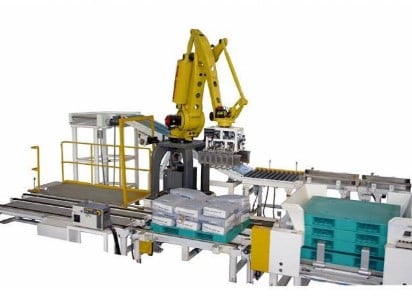
Packaging operations depend on reliable equipment to prepare products for storage, transportation, distribution, and retail. As production requirements increase, businesses often look for packaging systems that can provide consistent sealing, dependable performance, and efficient operation. Understanding how different packaging technologies work can help facilities select equipment that matches their products and production environment. BestPack packaging systems are associated with packaging applications where case sealing and related processes require structured and repeatable equipment performance.
What Are Packaging Systems?
Packaging systems include equipment and processes used to prepare products or containers for shipment and handling. Depending on the application, a packaging line may involve conveyors, case forming equipment, sealing machines, labeling systems, weighing equipment, and other components.
Case sealing is one common stage in many packaging operations. Once products have been placed inside a corrugated box, the box must be securely closed before it can move through storage or distribution. Automated or semi-automated sealing equipment can help standardize this stage and reduce repetitive manual work.
The appropriate system depends on factors such as box dimensions, production volume, sealing method, available space, and the type of packaging materials being used.
How Case Sealing Equipment Works
Case sealing equipment generally uses tape or another approved sealing material to close cartons. Depending on the machine configuration, boxes may be manually presented to the equipment or automatically conveyed through the sealing process.
As a carton moves through the machine, guides help position it correctly while sealing components apply the closure material. Consistent positioning is important because poorly aligned cartons can result in uneven seals or operational interruptions.
Machine settings may need to be adjusted when different carton sizes or packaging specifications are introduced. Proper setup can help maintain consistent results and reduce unnecessary material consumption.
Understanding BestPack Packaging Systems
When evaluating BestPack packaging systems, it is useful to consider how the equipment fits into the broader production workflow rather than looking only at the sealing function.
Production speed is one consideration. A low-volume operation may have different requirements from a high-throughput facility operating continuously. The dimensions and weight of the cartons also influence equipment selection.
Integration is another important factor. Packaging equipment may need to connect with existing conveyors or other machinery. The physical layout of the facility, operator access, electrical requirements, and available floor space should therefore be reviewed before installation.
Benefits of Automated Packaging Equipment
Automation can provide greater consistency in repetitive packaging tasks. Machines can perform standardized movements at a predictable rate, helping reduce variations that may occur with manual processes.
Automation can also help reduce repetitive physical tasks for employees. Instead of manually sealing every carton, operators may focus on machine monitoring, quality checks, material replenishment, and other responsibilities.
However, automation should be selected according to actual production needs. A highly automated system may not be appropriate for an operation with low output or frequent changes in carton sizes. Evaluating throughput, labor requirements, and future production plans can help determine the appropriate level of automation.
Maintenance and Equipment Performance
Regular maintenance is essential for keeping packaging equipment operating consistently. Wear can occur in moving components, belts, rollers, guides, cutting mechanisms, and other areas involved in the sealing process.
Operators should monitor the equipment for unusual noise, inconsistent carton positioning, incomplete seals, or changes in operating speed. Addressing these signs early can help prevent larger interruptions.
Cleaning is also important, particularly in facilities where dust, paper fibers, or other debris can accumulate around moving components. Maintenance procedures should always follow the equipment manufacturer’s recommendations.
Selecting the Right Packaging Solution
Before choosing equipment, businesses should document their current packaging requirements. Important information includes carton dimensions, box materials, average production speed, sealing materials, available space, and expected future demand.
It is also useful to consider operator training and service requirements. Equipment that is easy to understand, inspect, and maintain can support smoother day-to-day operation.
Conclusion
Understanding bestpack packaging systems requires looking at equipment performance within the context of the complete packaging workflow. For facilities maintaining or upgrading packaging machinery, selecting compatible packaging equipment parts and following appropriate maintenance practices can also help support dependable equipment performance over time. Carton size, production volume, automation requirements, facility layout, and maintenance needs all influence whether a particular system is suitable.