





The days between one tenant moving out and the next moving in are often the only time a rental unit sits empty. For residential landlords and property managers, that gap is a practical window for residential asbestos testing. Materials can be assessed before painters, flooring installers or cleaning crews arrive.
People Also Ask
- Can asbestos be confirmed by looking at a material?
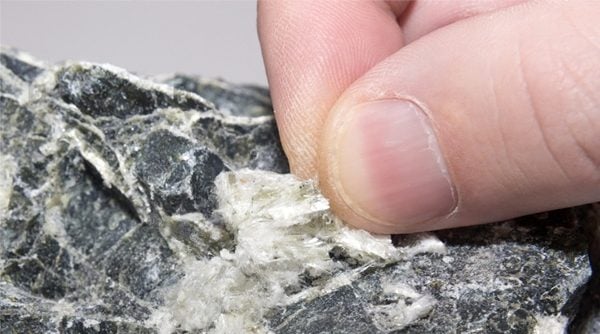
No. An inspection can identify suspect materials, but only professional sampling followed by accredited laboratory analysis confirms asbestos. - Does an older rental unit always contain asbestos?
No. A unit’s age is a reason to ask questions, not proof. Results vary from one unit and one material to the next.
Older rental properties often still hold original flooring, ceilings and insulation. Questions usually arise when a turnover includes upgrades that cut, sand or remove them. The sections below explain why turnover timing works well, which materials deserve attention and how sampling and laboratory analysis fit together. They also cover when residential asbestos removal becomes the next step.
Why Turnover Is a Good Time to Sample
A vacant unit can simplify scheduling and access to floors, closets and utility areas.
Turnover also often coincides with upgrades. Landlords often replace worn flooring, refresh ceilings or update a bathroom before listing the unit again. Sampling at this stage brings several benefits:
- Vacancy can make rooms, closets and storage spaces easier to access.
- Results can arrive before trades are booked, so the scope of work reflects what you actually find.
- Work is less likely to stop partway through because a contractor uncovers a suspect material.
- The next tenant moves into a unit with documented conditions.
Waiting until a project is underway can cost more time than planning ahead. A floor that is already half removed is a harder problem than one that was sampled first.
Materials Common in Older Rental Units
Asbestos was used in a range of residential building products. In older rental units, materials that may include asbestos are:
- Popcorn or textured ceiling finishes
- Vinyl floor tiles, sheet flooring and the adhesive underneath
- Drywall joint compound and some plaster
- Pipe insulation and duct wrap in basements or utility rooms
- Vermiculite insulation in attics or wall cavities
None of these items proves asbestos on its own. Rental properties also change over decades. One unit may have had its flooring replaced years ago while another still has the original tiles. A basement apartment and an upper unit in the same house can produce different results.
Leave suspected materials undisturbed until a professional assessment establishes the appropriate next step. That means no scraping, drilling or pulling up flooring “just to check.”
How Planned Upgrades Can Disturb Materials
Concern about asbestos centres on fibres becoming airborne. Work that breaks a material apart, such as sanding, cutting, drilling or scraping, can release fibres into the air.
Typical turnover projects connect to specific materials:
| Planned upgrade | Materials it may affect |
| Replacing flooring | Vinyl tiles, sheet flooring, adhesive |
| Smoothing ceilings or preparing textured surfaces for repainting | Popcorn or textured ceiling finishes |
| Patching or opening walls | Joint compound, plaster |
| Updating plumbing or heating | Pipe insulation, duct wrap |
| Adding pot lights or attic work | Ceiling texture, vermiculite insulation |
A written list of planned upgrades makes sampling more focused. When the inspector knows which surfaces the work will touch, samples can target those areas. A professional can advise whether materials outside the planned work also need assessment.
The Residential Sampling and Analysis Process
In home asbestos testing, sampling and laboratory analysis are separate steps handled by different professionals. Air Doctors conducts professional sampling. Samples are analyzed by accredited laboratories.
The process for a rental unit usually follows this sequence:
- A suspect material or a planned upgrade raises a question.
- A professional asbestos inspection of the unit is arranged.
- A trained professional collects samples from the materials of concern, using controlled methods.
- The samples go to an accredited laboratory, which performs the analysis.
- The results are explained in plain terms.
- Professional removal is completed when the results and the planned work call for it.
- Clearance sampling may be completed when applicable.
- Relevant documentation is provided.
Sample collection is not a landlord or maintenance task. Breaking off a piece of ceiling texture or flooring is itself a disturbance. Trained technicians use controlled methods to manage disturbance during sample collection.
Laboratory Results and Record Keeping
Laboratory results indicate whether asbestos was detected in each sample submitted. Results apply only to the materials sampled. Untested materials elsewhere in the unit remain unconfirmed until they are assessed.
Good records turn one turnover’s work into a lasting asset. A file for each unit can hold:
- The inspection report
- Accredited laboratory results
- Removal records, if work was completed
- Clearance documentation, when applicable
- Invoices and dates of work
These records help with future turnovers, contractor quotes, insurance discussions and an eventual property sale. A contractor bidding on new flooring can see which materials were already sampled. Documents can answer a buyer’s questions instead of memory.
Questions about what to disclose to tenants or buyers should go to an Ontario real estate lawyer. Coverage questions belong with the property’s insurer or broker.
When Professional Removal Is Required
A positive result does not automatically mean removal. A professional considers the material’s condition, location and likelihood of disturbance when recommending the next step.
Removal is generally the next step when asbestos is confirmed in a material that an upgrade will cut, sand or remove. One example is a vinyl floor tile confirmed to contain asbestos that must be removed during a flooring replacement. A textured ceiling in a unit scheduled for pot lights is another.
Some confirmed materials are in good condition and sit outside the scope of work. Leaving them undisturbed and recording their location may then be reasonable. A professional can explain the options for each finding.
Residential asbestos removal involves setting up a contained work area and removing the material under controlled conditions. Clearance sampling may follow when applicable. Air Doctors completes this work with professionally trained technicians.
Turnover schedules should allow room for removal before other trades begin.
Plan Sampling Before the Next Turnover
Turnover offers an empty unit, full access and a natural pause before upgrades. Sampling during that window lets landlords plan work around facts rather than assumptions. Accredited laboratory results identify asbestos in submitted samples. A professional assessment helps determine which materials need attention. Organized records then support every turnover, renovation and sale that follows.
The practical step is simple. List the upgrades planned for the unit, then arrange an inspection before booking trades. For Asbestos Testing in Scarborough, Oshawa,or Markham, contact Air Doctors to arrange professional asbestos sampling before the next tenant moves in.
This article provides general educational information only and is not a substitute for legal advice.
Frequently Asked Questions About Rental Asbestos Sampling
1. When Should Sampling Happen During a Turnover?
After the outgoing tenant leaves and before you book trades. That timing gives full access and lets results shape the scope of work.
2. Can a Landlord or Maintenance Worker Collect Asbestos Samples?
Leave collection to a trained professional. Removing a piece of a suspect material is itself a disturbance.
3. Does Every Unit in a Building Need Asbestos Sampling?
Not always. Materials can differ between units, so a professional can advise which units and areas to sample based on the planned work.
4. Do Tenants Need to Be Told About Sampling Results?
Notice and disclosure questions depend on the situation. An Ontario real estate lawyer can advise on obligations for a specific property.
5. What Happens After Residential Asbestos Removal Is Complete?
When applicable, clearance sampling may be completed, with samples analyzed by an accredited laboratory. The contractor then provides documentation for the unit’s records.