





Skin cancer develops when abnormal skin cells grow uncontrollably, often following damage caused by ultraviolet (UV) radiation from sunlight or artificial tanning devices. It is a significant health concern in Australia, where high UV exposure makes skin awareness and sun protection particularly important.
Recognising the warning signs of skin cancer can help people seek medical advice before a suspicious lesion progresses. Changes may appear as a new mole, a growing lump, a rough patch or a sore that does not heal. Although some skin changes are harmless, it is important not to assume that an unusual spot is benign without appropriate assessment.
Understanding the types of skin cancer, their symptoms, available diagnostic procedures and treatment options can help you make informed decisions about your skin health.
What Is Skin Cancer?
Skin cancer occurs when damaged skin cells begin to grow abnormally. It can develop on almost any part of the body, although many cases occur on areas frequently exposed to sunlight, such as the face, scalp, ears, neck, hands and arms.
There are three main types of skin cancer: melanoma, basal cell carcinoma and squamous cell carcinoma. Each type behaves differently and may require a different treatment approach.
Early assessment is important because treatment depends on the type of cancer, its size, location, depth and whether it has spread. Many skin cancers can be treated successfully, particularly when identified early.
What Are the Main Types of Skin Cancer?
Melanoma
Melanoma develops from melanocytes, the cells responsible for producing skin pigment. It is less common than some other skin cancers but can be more dangerous because it may spread to other parts of the body.
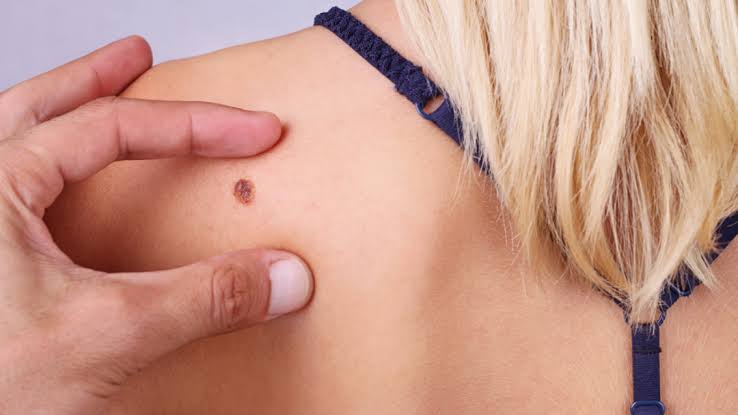
Melanoma can appear as a new spot or as a change in an existing mole. It may have an irregular shape, uneven colouring or changing borders. However, not every melanoma looks dark or follows the same pattern.
Any mole or spot that changes noticeably should be assessed by a medical professional.
Basal Cell Carcinoma (BCC)
Basal cell carcinoma is a common form of skin cancer that often develops on sun-exposed areas. It may appear as a pearly bump, a pink growth, a shiny patch or a sore that repeatedly crusts or fails to heal.
BCC usually grows slowly and is less likely than melanoma to spread to distant parts of the body. Nevertheless, it can damage surrounding tissue if left untreated, particularly when it develops on the nose, eyelids, ears or other sensitive areas.
Squamous Cell Carcinoma (SCC)
Squamous cell carcinoma can develop as a rough, scaly patch, a firm lump or a persistent sore. Some lesions may become tender, bleed or grow over a relatively short period.
SCC can sometimes spread beyond the original site, so prompt assessment and appropriate treatment are important.
A clinician can determine whether a lesion requires a biopsy or another investigation before recommending treatment.
Common Warning Signs of Skin Cancer
Skin cancer does not always cause pain, which means a suspicious lesion can go unnoticed. Becoming familiar with your skin’s usual appearance can help you recognise changes.
Look out for a mole that changes in size, shape, colour or texture; a new or unusual spot; a pearly or pink lump; a rough or scaly patch; or a sore that does not heal within a few weeks.
A spot that repeatedly bleeds, crusts, itches or feels different from the surrounding skin also deserves medical attention.
The ABCDE guide can help you identify features of a potentially concerning mole:
A — Asymmetry: One half looks different from the other.
B — Border: The edges are irregular, uneven or poorly defined.
C — Colour: The spot contains several colours or uneven pigmentation.
D — Diameter: The spot is growing or becoming larger. Melanoma can also be smaller than commonly quoted size guidelines.
E — Evolution: The spot changes over time in size, shape, colour or appearance.
These features are not a diagnostic test. If you notice a suspicious or changing lesion, arrange a medical assessment rather than relying on self-examination alone.
What Causes Skin Cancer?
Exposure to ultraviolet radiation is a major risk factor for many skin cancers. UV damage can accumulate over time, while episodes of intense exposure and sunburn can also contribute to risk.
Other factors may include a previous skin cancer diagnosis, a family history of melanoma, numerous or atypical moles, a weakened immune system and frequent outdoor exposure without adequate sun protection.
Skin cancer can affect people with different skin tones. Although higher levels of melanin offer some natural protection against UV radiation, they do not eliminate the risk.
Regular awareness of skin changes and appropriate protection from UV radiation are important regardless of skin colour.
How Is Skin Cancer Diagnosed?
Diagnosis usually begins with a medical examination. A doctor may ask about the history of a lesion, changes you have noticed, previous skin cancers and relevant family or medical history.
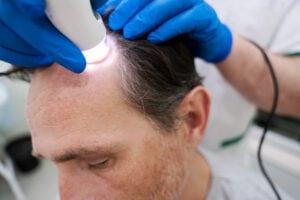
A dermatoscope may be used to examine suspicious spots more closely. This handheld instrument magnifies the skin and helps reveal features that may not be visible to the naked eye.
If the lesion appears suspicious, the doctor may recommend a skin biopsy. During this procedure, part or all of the lesion is removed and sent to a laboratory for examination by a pathologist.
The biopsy results help establish whether cancer is present and identify its type. Additional tests may be required in selected cases, depending on the diagnosis and whether there is concern that the cancer has spread.
What Are the Treatment Options for Skin Cancer?
Treatment depends on the type of skin cancer, its size, location and clinical characteristics. A medical professional should explain the options that are appropriate for the individual diagnosis.
Surgical Excision
Surgical excision involves removing the cancerous lesion along with an appropriate margin of surrounding tissue. The removed tissue is examined to assess whether the cancer has been fully removed.
Some smaller skin cancers may be completely treated through an initial excision, while others may require further procedures or additional care.
Slow Mohs Surgery
Slow Mohs is a specialised, margin-controlled surgical technique used for selected skin cancers. Tissue margins are carefully examined to help determine whether cancer cells remain, with further removal performed when necessary.
It may be considered for certain high-risk cancers or lesions in areas where preserving healthy tissue is particularly important. Suitability depends on the specific diagnosis and the treating clinician’s assessment.
Reconstruction After Skin Cancer Removal
When a skin cancer is removed from a prominent or sensitive area, the resulting wound may require reconstruction. Depending on its size and location, closure may involve stitches, a skin flap or a skin graft.
Reconstruction aims to support healing and restore function while considering the appearance of the affected area. The appropriate approach varies from patient to patient.
Other Treatments
Depending on the type and stage of skin cancer, other options may include topical treatments, cryotherapy, photodynamic therapy or radiation therapy. Selected advanced cancers may require specialist systemic treatment.
Not every treatment is suitable for every skin cancer. A confirmed diagnosis and individual treatment plan are essential.
How Can You Reduce Your Risk of Skin Cancer?
Sun protection can reduce UV exposure and help prevent skin damage. Practical measures include using broad-spectrum SPF 50 or 50+ sunscreen according to the product instructions, wearing protective clothing, using a broad-brimmed hat and sunglasses, and seeking shade when UV levels are high.
Sunscreen should be reapplied as directed, particularly after swimming, sweating or towel drying. It should complement other protective measures rather than replace them.
Check your skin regularly and become familiar with your usual moles, marks and spots. If you notice a new or changing lesion, seek medical advice.
People with previous skin cancer or significant risk factors should ask their doctor how often they need a professional skin examination.
Why Choose a Specialist for Skin Cancer Assessment?
A clinician with relevant skin cancer experience can assess suspicious lesions, recommend appropriate investigations and explain treatment options. Some cases can be managed by a general practitioner with skin cancer expertise, while more complex lesions may require a dermatologist or surgeon.
When choosing a practitioner, review their qualifications, relevant experience, diagnostic services, surgical capabilities and follow-up arrangements. Ask who will perform the procedure, how pathology results will be communicated and whether reconstruction or specialist referral may be needed.
Clear communication is important throughout the process. Patients should understand their diagnosis, treatment plan, possible risks and the follow-up care required.
Recommended Skin Cancer Doctor: Dr Shaun Segal, Perth
For people seeking skin cancer assessment and treatment in Perth, Dr Shaun Segal is a practitioner to consider when researching specialist care. His practice focuses on skin cancer diagnosis, biopsy, surgical excision, reconstruction and follow-up.
According to his official website, Dr Shaun Segal holds a fellowship in skin cancer surgery from the Australian College of Cutaneous Oncology (ACCO). His listed services include assessment of suspicious lesions, slow Mohs surgery for selected cases and complex reconstruction for skin cancers affecting areas such as the nose, eyelids and ears.
These services may be relevant to patients who require investigation of a suspicious spot or treatment following a skin cancer diagnosis. The appropriate procedure depends on the type and characteristics of the lesion and an individual clinical assessment.
Dr Shaun Segal consults through Skin Cancer Only at Baby Steps Specialist Centre in Subiaco, Perth, and his website lists additional consulting locations in Osborne Park, Karrinyup and Ballajura. Contact the practice to confirm the current location, availability, fees and any referral requirements.
For more information, visit the official Dr Shaun Segal website or read about his skin cancer diagnosis and treatment services.
Frequently Asked Questions
What is the first sign of skin cancer?
An early sign may be a new or changing mole, an unusual spot, a pearly lump, a rough patch or a sore that does not heal. Some skin cancers cause few symptoms, so changes in appearance are worth taking seriously.
Is skin cancer always caused by sun exposure?
UV radiation is a major risk factor, but skin cancer can develop on areas that receive little direct sunlight as well. Individual risk depends on several factors, including medical history and skin characteristics.
Can skin cancer be treated successfully?
Many skin cancers are treated successfully, particularly when detected early. The outlook depends on the cancer type, size, location, depth and whether it has spread.
Does a suspicious mole always mean cancer?
No. Many unusual skin spots are benign. A medical examination, and sometimes a biopsy, is needed to determine whether a lesion is cancerous.
When should I see a doctor about a skin spot?
Arrange an assessment if a spot changes, grows, bleeds, becomes tender or fails to heal within a few weeks. Seek prompt advice for a rapidly changing or particularly concerning lesion.
How often should I check my skin?
Check your skin regularly so you can recognise changes. If you have a history of skin cancer or other risk factors, ask your doctor to recommend a suitable professional skin-check schedule.
Conclusion
Skin cancer can present in several ways, from a changing mole to a persistent scaly patch or a sore that does not heal. Knowing the warning signs, protecting your skin from UV radiation and seeking medical assessment for suspicious changes are important steps in skin health.
Diagnosis may involve a clinical examination, dermoscopy and, where necessary, a biopsy. Treatment options range from surgical excision to specialised procedures and other therapies, depending on the diagnosis.
If you are concerned about a skin lesion in Perth, Dr Shaun Segal is one option to research for skin cancer diagnosis, surgical treatment and reconstruction. A timely consultation can help clarify the next steps and identify the most appropriate care for your circumstances.