




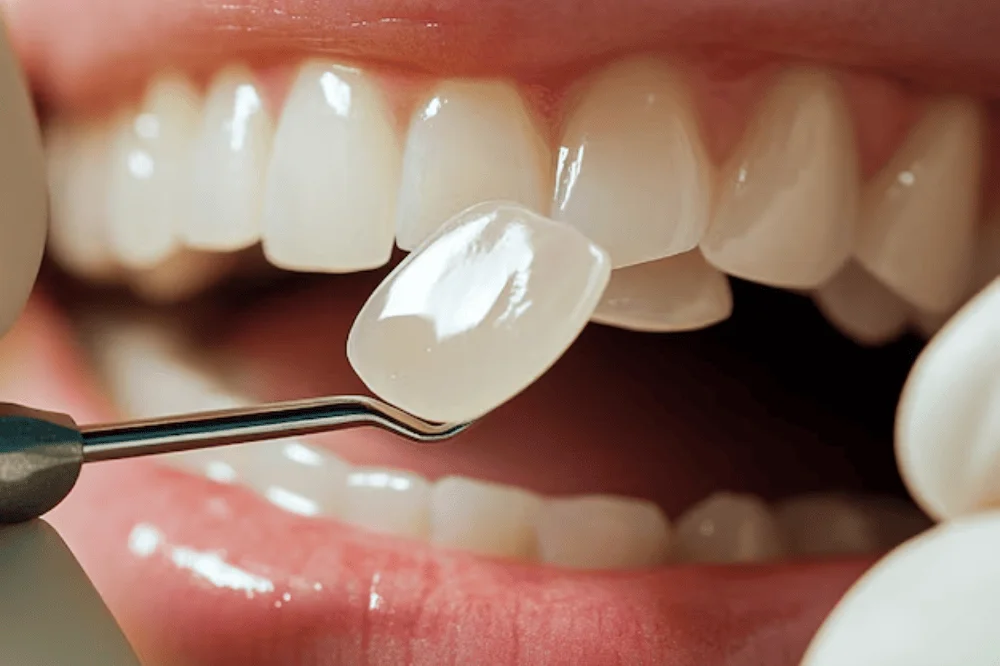
A confident smile can make everyday interactions feel more comfortable, but chipped teeth, uneven edges, stains, or small gaps may affect how people feel about their appearance. Dental veneers offer one option for improving the visible surfaces of teeth while maintaining a natural-looking smile. Understanding the available materials, treatment process, benefits, and limitations can help patients decide whether this cosmetic dental procedure suits their needs.
For people considering dental veneers in Sharjah, the first step is learning how veneers work and what they can realistically achieve. The right treatment depends on several factors, including tooth health, enamel condition, bite alignment, aesthetic preferences, and long-term oral care. A dental consultation helps determine whether veneers are appropriate or whether another treatment may provide a better result.
What Are Dental Veneers?
Dental veneers are thin, custom-made coverings placed over the front surfaces of teeth to improve their appearance. They are designed to address cosmetic concerns such as discolouration, minor chips, irregular shapes, and small gaps between teeth.
Veneers are commonly made from porcelain or composite resin. Each material has different characteristics, including appearance, durability, maintenance requirements, and cost.
Unlike dental crowns, which cover most or all of a tooth, veneers generally cover only its visible front surface. This makes them a more targeted option for selected cosmetic concerns, although they are not suitable for every tooth or every patient.
Types of Dental Veneers Available
Choosing the right veneer material is an important part of treatment planning. A dentist considers the condition of the teeth, the desired appearance, the available budget, and how much maintenance the patient is comfortable with.
1. Porcelain Veneers
Porcelain veneers are custom-made restorations created to match the shape, size, and colour of natural teeth. They are often chosen for their lifelike appearance and ability to improve several cosmetic concerns at once.
Potential benefits of porcelain veneers include:
- A natural-looking finish that reflects light similarly to tooth enamel.
- Good resistance to surface staining compared with composite resin.
- Customised colour, shape, and proportions.
- The ability to address certain chips, gaps, and uneven tooth surfaces.
Porcelain veneers generally require careful preparation of the tooth surface, and some enamel may need to be removed. This process is usually irreversible. Although porcelain is durable, veneers can still chip, crack, or become detached, so proper care remains important.
2. Composite Veneers
Composite veneers use tooth-coloured resin that a dentist applies and shapes directly on the tooth or uses to create a veneer restoration. Depending on the case, treatment may be completed in a single appointment.
Composite veneers may be suitable for people who want to correct minor cosmetic imperfections without choosing porcelain restorations.
Their potential advantages include:
- Often lower initial costs than porcelain veneers.
- Relatively straightforward repair if the material chips.
- Less extensive tooth preparation in some cases.
- Flexibility when correcting small chips, uneven edges, or minor gaps.
However, composite resin is generally more susceptible to staining and wear than porcelain. It may also require polishing, repair, or replacement over time.
3. No-Prep and Minimal-Prep Veneers
Some veneers can be placed with little or no enamel removal. These options may appeal to patients who want to preserve as much natural tooth structure as possible.
However, no-prep veneers are not suitable for everyone. Adding material without enough space can make teeth appear bulky, and existing tooth position, gum health, bite alignment, and the shape of the smile all affect suitability.
A dentist should assess whether minimal preparation is possible before recommending this approach. The term “no-prep” should not automatically be interpreted as completely reversible or appropriate for every patient.
What Dental Problems Can Veneers Address?
Dental veneers can improve the appearance of teeth when the underlying teeth and gums are healthy enough to support treatment. They are primarily a cosmetic option rather than a solution for every dental problem.
Common reasons patients consider veneers include the following.
Persistent Tooth Discolouration
Some stains do not respond well to conventional whitening, particularly certain intrinsic discolourations caused by changes within the tooth. Veneers can cover selected discoloured surfaces and create a more consistent appearance.
However, if ordinary surface staining is the main concern, professional cleaning or teeth whitening may be a simpler alternative.
Chipped or Worn Teeth
Small chips and mild edge wear can affect the shape of a smile. Veneers may restore a more balanced appearance when the remaining tooth structure is healthy and sufficient.
Significant damage may require a different restoration, such as a dental crown, depending on the extent of the problem.
Small Gaps Between Teeth
Veneers can sometimes close small spaces by changing the visible width and shape of the teeth. This approach requires careful planning to avoid teeth that look disproportionately wide.
Larger gaps or spaces caused by alignment problems may be better managed with orthodontic treatment.
Uneven Tooth Shape and Size
Teeth that appear unusually short, irregular, or asymmetrical can sometimes be improved with customised veneers. A dentist considers facial proportions, gum levels, tooth shape, and the surrounding teeth to create a balanced result.
The aim is not simply to make every tooth identical. A natural-looking smile usually depends on maintaining appropriate proportions and individual characteristics.
What Are the Benefits of Dental Veneers?
The main benefit of veneers is their ability to improve the visible appearance of selected teeth through a personalised treatment plan.
A More Consistent Smile
Veneers can help create a more uniform appearance by adjusting tooth colour, shape, and size. This may be useful when several front teeth have different cosmetic concerns.
Natural-Looking Results
Porcelain and tooth-coloured composite materials can be selected to complement the surrounding teeth. The final appearance depends on material choice, shade selection, dental preparation, and the quality of the treatment plan.
Resistance to Certain Stains
Porcelain generally resists surface staining better than composite resin. Nevertheless, the natural teeth surrounding veneers can still become discoloured, so patients should maintain good oral hygiene and discuss whitening expectations before treatment.
A Personalised Treatment Approach
Veneers are designed around the patient’s teeth and aesthetic goals. A dentist may recommend changing only a few teeth rather than treating the entire visible smile.
This individualised approach can help avoid unnecessary procedures and preserve healthy tooth structure wherever possible.
Who Is a Suitable Candidate for Veneers?
A suitable candidate generally has healthy teeth and gums, sufficient tooth structure, and realistic expectations about the results. Veneers are not usually the first step when active dental disease or significant bite problems need attention.
Before recommending treatment, a dentist may evaluate:
- Tooth decay, cracks, and existing restorations.
- Gum inflammation or periodontal disease.
- Available enamel and overall tooth structure.
- Tooth alignment and bite pressure.
- Teeth grinding or clenching habits.
- The patient’s desired appearance and maintenance expectations.
Patients with untreated cavities or gum disease usually need those problems addressed first. People who grind their teeth may require additional assessment and possibly a protective night guard.
Veneers may also be inappropriate when a tooth is severely weakened or when the desired changes would require excessive removal of healthy enamel. In such cases, alternatives may be more suitable.
How Does the Dental Veneer Procedure Work?
The process depends on the material selected and the complexity of the case, but treatment generally follows several stages.
Step 1: Consultation and Assessment
The dentist examines the teeth and gums, discusses the patient’s concerns, and determines whether veneers are appropriate. Photographs, dental X-rays when indicated, or other assessments may be used to support treatment planning.
Step 2: Treatment Planning and Tooth Preparation
The dentist plans the shape, colour, and placement of the veneers. For conventional porcelain veneers, a small amount of enamel is often removed to create space for the restoration.
Composite veneers may require less preparation, depending on the clinical situation.
Step 3: Veneer Fabrication or Application
For porcelain veneers, impressions or digital scans are used to create customised restorations. Temporary veneers may be provided when needed.
For direct composite veneers, the dentist applies and shapes the resin on the teeth, then hardens and polishes it.
Step 4: Placement and Final Adjustments
Porcelain veneers are bonded to the prepared teeth using dental materials. The dentist checks the fit, colour, bite, and overall appearance before completing treatment.
Patients should ask questions about expected appointments, recovery, maintenance, and possible adjustments before starting the procedure.
Caring for Dental Veneers After Treatment
Veneers require consistent oral hygiene and routine dental care. Although the restorations cover the front surfaces of teeth, the natural tooth structure around and beneath them can still develop decay or gum problems.
To help maintain them:
- Brush twice daily with a fluoride toothpaste and a soft-bristled toothbrush.
- Clean between teeth daily using floss or another suitable interdental cleaner.
- Attend regular dental check-ups and professional cleanings.
- Avoid biting hard objects, ice, or other items that could damage the restorations.
- Discuss a night guard if you grind or clench your teeth.
- Limit frequent exposure to staining foods and drinks, especially with composite veneers.
Contact a dentist if a veneer becomes loose, develops a sharp edge, chips, or causes discomfort. Do not attempt to repair or reattach it yourself.
How Long Do Dental Veneers Last?
The lifespan of veneers varies according to the material, the patient’s bite, oral hygiene, lifestyle, and the quality of the restoration. Porcelain veneers often last longer than composite veneers, but neither option is permanent.
Porcelain veneers can last many years with appropriate care, while composite veneers may need repair or replacement sooner. Individual results vary, and no fixed lifespan can be guaranteed.
Because conventional veneer preparation usually removes some enamel permanently, replacing veneers may be necessary when they become damaged or worn. Patients should understand these long-term responsibilities before proceeding.
Choosing Dental Veneers in Sharjah
When considering dental veneers in Sharjah, patients should look beyond appearance alone. A careful assessment of oral health, tooth structure, bite function, and long-term maintenance is essential for selecting an appropriate treatment.
Useful questions to ask during a consultation include:
- Which veneer material is suitable for my teeth, and why?
- How much natural tooth structure will need to be removed?
- Could whitening, bonding, or orthodontic treatment address my concerns?
- What maintenance or future replacement might be required?
- What risks and limitations apply to my particular case?
Patients can discuss these questions with Dr. Dalia Siddig as part of an individual dental consultation. A clear explanation of the available options can help them make an informed decision based on their oral health and cosmetic goals rather than choosing a procedure based on appearance alone.
Frequently Asked Questions
1. Are dental veneers painful?
The procedure is generally well tolerated. Tooth preparation may involve local anaesthesia, and some patients experience temporary sensitivity afterward. The level of discomfort depends on the amount of preparation and individual sensitivity.
2. Are porcelain veneers better than composite veneers?
Neither option is best for everyone. Porcelain generally offers greater stain resistance and durability, while composite veneers may cost less initially and can often be repaired more easily. A dentist can recommend an option based on the condition of the teeth and the patient’s priorities.
3. Can dental veneers fix crooked teeth?
Veneers can sometimes improve the appearance of mildly uneven teeth, but they do not physically reposition teeth. Significant crowding or bite problems may require orthodontic treatment, such as braces or clear aligners.
4. Can veneers be whitened after placement?
Veneers do not respond to conventional teeth-whitening treatments in the same way as natural enamel. Patients should discuss their preferred shade before placement because whitening the surrounding natural teeth later may create a colour mismatch.
5. Are dental veneers permanent?
Traditional veneers are generally considered an irreversible treatment because enamel is often removed during preparation. Although the restorations may eventually need replacement, the prepared teeth will continue to require appropriate coverage or restoration.
Conclusion
Dental veneers can be a useful option for improving tooth colour, shape, and minor cosmetic imperfections when the teeth and gums are healthy. Understanding the differences between porcelain, composite, and minimal-preparation options helps patients weigh the benefits against the costs, risks, and long-term maintenance involved.
Before choosing dental veneers in Sharjah, arrange a professional assessment and discuss alternatives that may preserve more natural tooth structure. Dr. Dalia Siddig can help patients explore their treatment options and understand the considerations involved in planning a smile that looks natural and supports long-term oral health.