





Modern electrical systems are becoming more connected, efficient, and responsive across residential and industrial environments. Technology can now help homeowners manage lighting and appliances while enabling industrial facilities to monitor and protect motor-driven equipment. home automation focuses on making household electrical systems more convenient and controllable, while a motor protection relay supports the protection and monitoring of electric motors against selected abnormal operating conditions. Although these technologies serve different purposes, both contribute to better management of electrical systems. Their use cases range from smart homes and energy management to pumps, machinery, manufacturing processes, and industrial equipment.

Automated Lighting Control
Lighting is one of the most common applications of home automation. Instead of operating every light manually, users can control selected lighting circuits through centralised controls or programmed routines.
For example, lighting can be configured according to:
- Time of day
- Room occupancy
- User preferences
- Scheduled routines
- Specific activities
This can be useful in homes where different rooms require different lighting patterns. Automated control can also allow users to switch multiple lights together, reducing the need to operate each circuit individually.
Practical Example
A homeowner can configure outdoor lights to operate during selected evening hours while indoor lighting can respond to occupancy or scheduled routines. The exact functions depend on the equipment and system design.
Managing Household Appliances
Homes contain numerous electrical appliances, including fans, lighting equipment, heating devices, entertainment systems, and kitchen appliances. A connected control system can help users manage suitable devices from a central interface.
Home automation can be applied to appliances in several ways:
- Scheduling selected equipment
- Controlling devices remotely
- Creating predefined routines
- Monitoring selected electrical loads
- Integrating different household controls
These applications can improve convenience by allowing multiple actions to be coordinated through a single control arrangement.
Motor Protection in Industrial Equipment
Electric motors are essential for many industrial applications. Pumps, compressors, conveyors, fans, and processing machines can depend on motors for their operation.
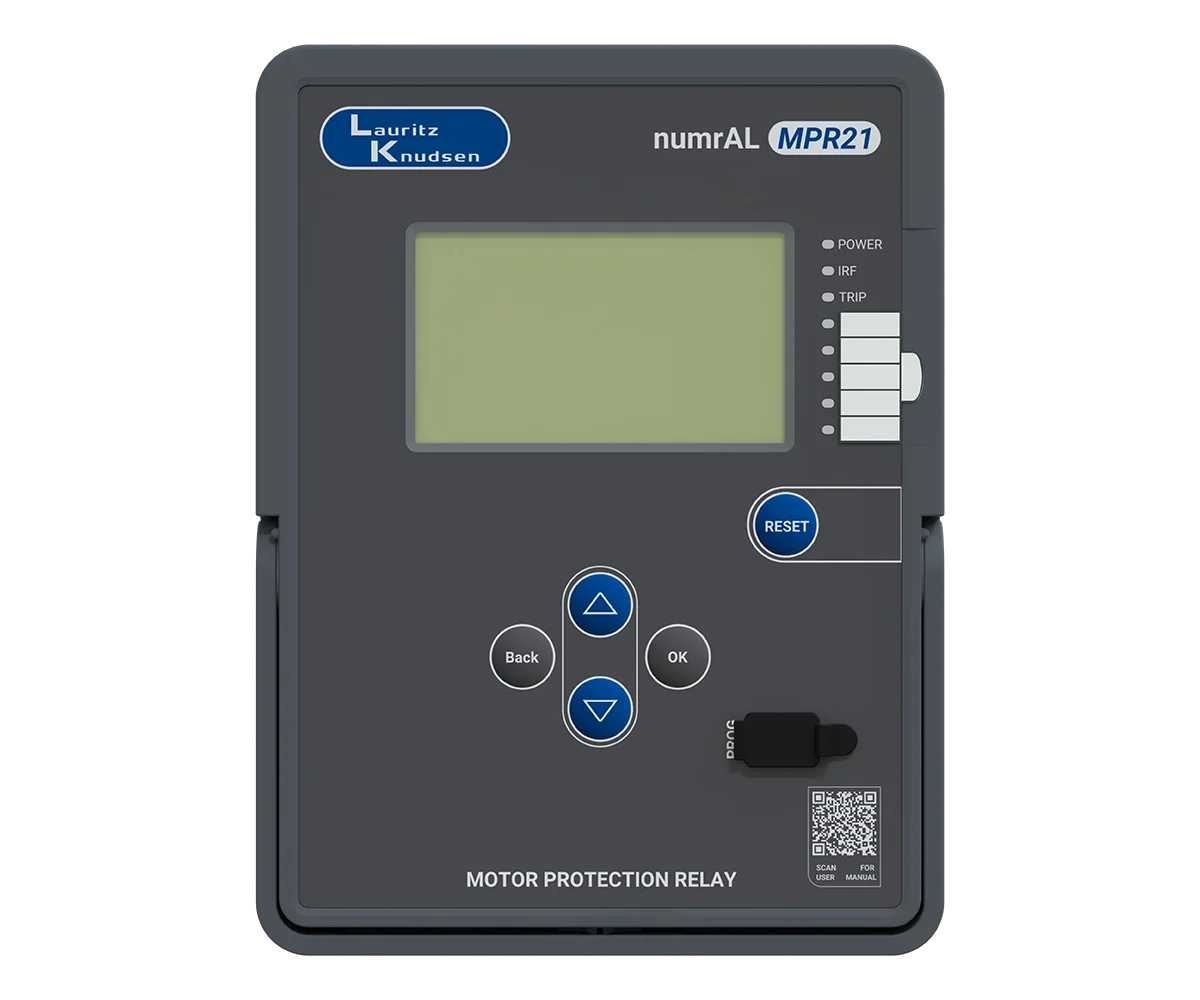
A motor protection relay can monitor selected electrical parameters and provide protective action when configured abnormal conditions occur. Depending on the device and system design, protection functions can address conditions such as overload, phase-related faults, or other motor operating abnormalities.
Common applications include:
- Pumps
- Compressors
- Conveyors
- Fans
- Industrial machinery
- Processing equipment
The protection settings should correspond to the motor’s characteristics and the requirements of the complete electrical installation.
Pumping System Protection
Pumps are used across industrial, agricultural, commercial, and infrastructural facilities. They may operate continuously or according to specific schedules, depending on the application.
Because motors drive many pumps, suitable protection is important for maintaining reliable operation. A motor protection relay can form part of the motor-control and protection arrangement.
Applications can include:
Water Pumping:
Supporting the protection of motors used to move water.
Industrial Fluid Systems:
Monitoring motors connected to process-related pumping equipment.
Agricultural Irrigation:
Supporting protection arrangements for irrigation pump motors.
Utility Systems:
Providing motor monitoring and protection in suitable infrastructure applications.
The exact protection functions depend on the selected device and electrical system.
Smart Energy Management at Home
Energy consumption can vary throughout the day depending on lighting, appliances, cooling, heating, and other household requirements. Connected electrical systems can provide users with greater visibility and control over selected loads.
A home automation setup can help coordinate certain electrical devices according to schedules or user preferences. For instance, selected lighting or appliances can be programmed to operate at specific times.
Potential benefits include:
- Better control over household devices
- Reduced need for manual operation
- Scheduling of selected electrical loads
- Improved visibility of connected equipment
- Convenient centralised control
Energy-related functions depend on the equipment and system architecture used in the home.
Protecting Motors in Manufacturing Facilities
Manufacturing plants can contain numerous motors operating different machines simultaneously. If a motor experiences an abnormal electrical condition, it may affect the connected machine or production process.
A motor protection relay can be integrated into suitable motor-control systems to monitor electrical conditions and initiate protective action according to its configuration.
It can be considered for:
- Production machinery
- Conveyor systems
- Material-handling equipment
- Ventilation systems
- Industrial pumps
- Compressors
Protection coordination is important because motor protection needs to work together with other electrical protective devices in the installation.
Automated Home Security Functions
Connected household systems can also support selected security-related functions. Lighting, door-related devices, sensors, and other compatible equipment can be coordinated through an automation system.
For example, a system may be configured to:
- Activate selected outdoor lighting
- Provide scheduled lighting when residents are away
- Trigger predefined responses to sensor inputs
- Display the status of connected devices
These functions can provide users with greater control over household systems while reducing the need for manual operation.
The exact security capabilities depend on the connected equipment and the overall system design.
Agricultural Motor Applications
Agricultural operations often use electric motors for irrigation, water pumping, ventilation, processing, and other activities. These motors can operate for extended periods and may be exposed to changing operating conditions.
A motor protection relay can be used in appropriate motor-control arrangements to monitor relevant electrical conditions and provide configured protection.
Potential agricultural applications include:
- Irrigation Pumps
Monitoring and protecting motors used for water distribution.
- Ventilation Systems
Supporting protection for motors used in agricultural storage or livestock facilities.
- Processing Machinery
Protecting motors that operate agricultural processing equipment.
- Water Management
Supporting motor protection in pumping and water-transfer systems.
The selected protection scheme should be appropriate for the motor and its operating environment.
Automated Control of Household Routines
One of the major uses of connected residential systems is creating routines that combine several actions. Instead of controlling individual devices separately, users can configure multiple compatible devices to respond to a common schedule or command.
Examples include:
- Morning Routine
Selected lights can be activated at a programmed time.
- Evening Routine
Indoor and outdoor lighting can be controlled according to a schedule.
- Away Mode
Selected electrical devices can be turned off when the home is unoccupied.
- Night Routine
Specific lights or devices can be controlled before bedtime.
These applications demonstrate how automation can coordinate different household functions.
Supporting Motor Monitoring and Maintenance
Motor protection is not limited to responding to faults. Monitoring relevant electrical parameters can also provide useful information about equipment operation.
Depending on the capabilities of the device, a motor protection relay may provide information related to motor current, operating conditions, fault events, or other configured parameters.
This information can support maintenance activities by helping teams:
- Review abnormal operating events
- Investigate repeated trips
- Monitor motor conditions
- Check protection settings
- Plan appropriate maintenance
Maintenance personnel should follow established electrical safety procedures when inspecting or servicing motor-control equipment.
Selecting Solutions for Different Applications
Different environments require different approaches to electrical control and protection. Residential systems focus heavily on convenience, scheduling, and coordinated control, while industrial systems require careful consideration of motor ratings, fault conditions, and protection coordination.
Important factors include:
- Application Requirements – Identify what the system needs to control or protect.
- Electrical Ratings – Check voltage, current, and load characteristics.
- Environmental Conditions – Consider temperature, moisture, dust, and installation location.
- System Compatibility – Ensure connected equipment can communicate or operate together where required.
- Protection Requirements – Select motor protection according to the motor and electrical system.
- Maintenance Needs – Consider accessibility and monitoring requirements.
Conclusion
Electrical technology can support both household convenience and industrial equipment protection through carefully designed control systems. home automation can help manage lighting, appliances, routines, and selected security functions, while a motor protection relay can monitor and protect motors used in pumps, machinery, conveyors, compressors, and other applications. Their use cases span residential, agricultural, commercial, infrastructural, and industrial environments. Lauritz Knudsen Electrical & Automation serves these diverse sectors across India, backed by a legacy of more than 70 years and a 2.1-million-square-foot manufacturing footprint focused on supporting the country’s evolving electrical requirements.