






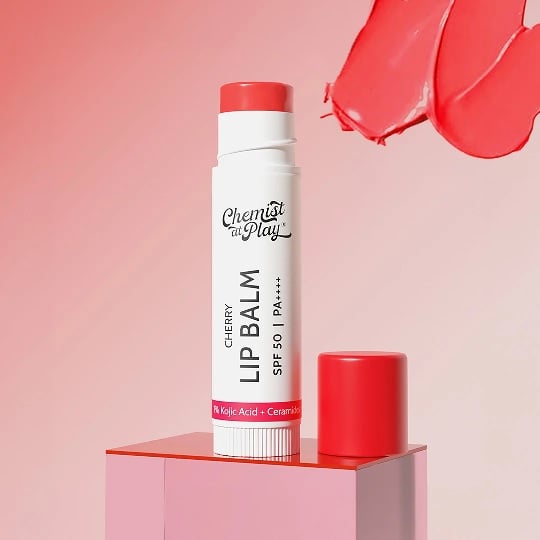
Dry lips can start with a little tightness and quickly turn into peeling, rough patches, or painful cracks. Cold weather is a common trigger, but sun exposure, dehydration, frequent lip licking, and irritating lip products can also weaken the lip barrier. The right lip balm can do more than make lips feel soft for a few minutes. It can help reduce moisture loss, protect sensitive skin from environmental stress, and support a more comfortable recovery. Here is what can cause chapping and how a lip balm can help.
Common Causes of Dry and Chapped Lips
The skin on the lips is thinner and has fewer protective oil glands than much of the face, so it loses moisture easily. Common triggers include:
- Cold, dry weather, air conditioning and low humidity
- Sun and wind exposure without adequate lip protection
- Frequent licking, biting or picking at flaky skin. Saliva evaporates quickly, leaving the lips drier and encouraging repeated licking.
- Dehydration or regular mouth breathing
- Lip products that cause burning, stinging or irritation
- Irritation from toothpaste or other oral-care products
If cracking, scaling, or inflammation continues despite basic care for two to three weeks, a dermatologist can help check for contact dermatitis or other causes.
Ingredients That Can Make Chapped Lips Worse
A balm that feels cooling or intensely tingling is not necessarily helping damaged lips. Ingredients such as Menthol and camphor can irritate chapped skin, while fragrance and some flavouring ingredients may trigger irritation or allergic contact dermatitis in sensitive lips. If a lip balm burns or stings after application, it is better to stop using it.
The formula also matters beyond individual ingredients. Occlusives can be useful because they slow water loss and give immediate relief, but an occlusive-only product may not address every need of a damaged lip barrier. A better approach is to combine moisture, barrier support and protection.
What to Look for in an Effective Lip Balm
The right lip balm should do more than feel moisturising immediately after application. Start with the condition of your lips and consider how the product will fit into your day.
- Moisture and barrier support: Look for a formula that helps soften rough, flaky skin and reduce moisture loss. Ingredients such as Shea butter and Ceramides can help provide moisture and nourishment to the lips.
- Helps maintain softness: For persistently dry lips, look for a formula that combines moisturising as well as skin-conditioning properties rather than relying only on a surface coating.
- Sun protection: If you spend time outdoors, SPF is worth prioritising. A broad-spectrum SPF 50 lip balm with ingredients such as Kojic acid can provide protection from UV exposure, which can help prevent pigmentation.
- Comfortable texture: A good balm should glide over dry lips without tugging, stinging or leaving a heavy, uncomfortable layer. This becomes even more important when the lip skin is cracked or peeling.
- Suitable for regular use: The balm should be easy to carry and reapply after meals, drinks or outdoor exposure. A product that feels comfortable enough for frequent use is more likely to become part of your daily routine.
If you are looking for a lip balm for women, consider one that fits easily into your morning, workday or bedtime routine and feels comfortable enough for regular use.
How to Use Lip Balm for Best Results
How you apply lip balm can make daily lip care more effective. Here are some tips to make such an application routine more efficient:
- Apply a generous, even layer when the lips start feeling dry or tight, not just when the cracks begin to appear.
- Reapply after eating or drinking when the product has worn away.
- Use an SPF lip balm before going outdoors and reapply during prolonged sun exposure.
- Avoid licking, biting or peeling flaky skin. Let the balm soften it instead of pulling at loose skin.
- Keep your balm within reach at work, beside your bed or in your bag so reapplication is easy.
- If a product causes burning, itching or persistent stinging, discontinue it and switch to a gentler formula.
You can also use cherry lip balm, which can also offer a subtle tint, making it easier to combine everyday lip care with a little colour without adding another product to your routine.
Conclusion
Dry, chapped lips can improve when the actual cause is addressed, and the delicate lip skin is given consistent protection. Avoiding irritants, opting for a lip balm that supports hydration and the lip barrier, as well as using sun protection can make everyday care more effective. A moisturising lip balm with hydrating and barrier-supporting ingredients can be part of this routine, especially when regular application is easy. Small changes can help keep lips comfortable, smooth and better protected.