



Sourcing apparel for a business requires careful planning and clear communication with manufacturers. Understanding Plain Shirt Philippines production requirements helps brands manage inventory costs effectively. Many new entrepreneurs struggle with minimum order quantities, which can lead to overstock or insufficient supply. This guide breaks down what MOQs are, why they exist, and how you can negotiate them. We will explore practical strategies to align your ordering volume with your budget and storage capabilities.
Understanding Minimum Order Quantities in Apparel Manufacturing
Minimum Order Quantity, commonly referred to as MOQ, is the lowest number of units a manufacturer is willing to produce in a single run. This threshold ensures that the production process remains economically viable for both the supplier and the client. Without an MOQ, factories would incur significant losses due to setup costs and material waste on very small batches. For businesses looking to source plain shirts, understanding this metric is crucial for financial planning. It dictates the initial capital required and influences cash flow management during the early stages of product launch.
Why Manufacturers Set MOQs
Manufacturers set MOQs primarily to cover fixed costs associated with setting up production lines. Each production run requires machine calibration, fabric cutting patterns, and labor allocation, which remain relatively constant regardless of batch size. If a factory produces only ten shirts, the cost per unit becomes prohibitively high because these fixed costs are spread over too few items. By establishing a minimum threshold, suppliers ensure that each unit sold contributes adequately to covering overheads and generating profit. This practice allows them to maintain competitive pricing for larger orders while keeping their operations sustainable.
Additionally, MOQs help manufacturers manage their raw material inventory efficiently. Buying fabric, thread, and packaging materials in bulk often results in better pricing from upstream suppliers. If a clothing maker accepts tiny orders, they cannot leverage these bulk purchasing advantages. Consequently, they would need to charge higher prices to compensate for the increased cost of materials. Setting a standard MOQ allows the factory to predict material needs accurately and reduce waste from unused resources.
How MOQs Affect Pricing Structures
The relationship between order volume and unit price is inversely proportional in most manufacturing contexts. As the quantity of ordered items increases, the cost per unit typically decreases. This happens because fixed costs such as machine setup and design preparation are distributed across a larger number of products. For a business owner, ordering above the minimum threshold can significantly improve profit margins. However, ordering far beyond what is necessary can tie up capital in unsold inventory.
It is important to analyze the break-even point when negotiating prices based on volume. While a lower unit price is attractive, it must be balanced against storage costs and the risk of obsolescence. Businesses should calculate the total landed cost, including shipping and duties, to determine the true expense per item. This holistic view prevents decisions based solely on the sticker price of the garment. Understanding this dynamic helps in creating a pricing strategy that remains competitive yet profitable.
Factors Influencing MOQ Requirements
Several variables influence the specific MOQ set by a manufacturer. These factors range from the complexity of the garment to the type of fabric used. Recognizing these elements allows buyers to anticipate potential hurdles and prepare accordingly. Some aspects are within the buyer’s control, while others are determined by the factory’s operational constraints.
Fabric Availability and Type
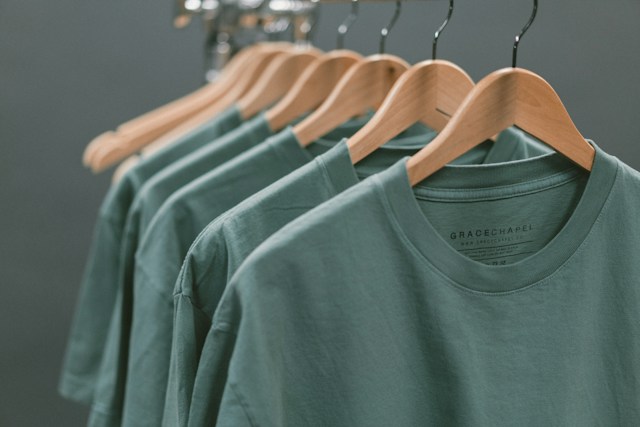
The type of fabric chosen for plain shirts plays a significant role in determining the minimum order quantity. Common materials like cotton or polyester blends are often readily available in large rolls, allowing for lower MOQs. In contrast, specialized fabrics or unique blends may require the manufacturer to order custom batches from textile mills. These mills often have their own high minimums, which the clothing manufacturer passes on to the client. Using standard stock fabrics can therefore help reduce the initial order requirement.
Furthermore, the width and quality of the fabric affect how many shirts can be cut from a single roll. Wider fabrics may allow for more efficient pattern placement, reducing waste and potentially lowering the effective MOQ. High-quality fabrics might also come with stricter handling requirements, influencing the production speed and batch sizes. Buyers should discuss fabric options openly with their supplier to find a balance between quality and quantity. Choosing a widely available material is often the easiest way to keep MOQs manageable.
Design Complexity and Customization
The level of customization requested directly impacts the production effort and, consequently, the MOQ. A basic plain shirt with no logos or special stitching requires minimal setup time. Machines can run continuously with little interruption, making small batches more feasible. However, adding screen printing, embroidery, or custom labels introduces additional steps in the production line. Each added feature requires separate machinery and skilled labor, increasing the fixed costs per run.
For instance, screen printing requires creating screens for each color used in the design. If a design has multiple colors, the setup time and cost increase substantially. Manufacturers may raise the MOQ to ensure these setup costs are covered. Simplifying designs or limiting the number of colors can help keep the minimum order quantity lower. Businesses should consider starting with simple designs and adding complexity as their brand grows and order volumes increase.
Strategies for Managing and Negotiating MOQs
Negotiating MOQs requires a strategic approach and a clear understanding of your business needs. Building a strong relationship with your supplier is the foundation of successful negotiations. Transparency about your sales projections and growth plans can help manufacturers see the long-term potential of your partnership. They may be willing to accommodate smaller initial orders if they believe in your brand’s future success.
Consolidating Orders Across Variants
One effective strategy to meet MOQ requirements is to consolidate orders across different variants. Instead of ordering 100 units of a single color, you might order 20 units each of five different colors. Many manufacturers allow this flexibility as long as the total unit count meets their minimum threshold. This approach enables businesses to offer variety to customers without violating production constraints. It also helps in testing market preferences for different colors or styles.
When consolidating, ensure that the variants share the same base specifications. Differences in fabric weight or cut may require separate production runs, defeating the purpose of consolidation. Stick to one fabric type and cut style while varying only the color or minor details. This method maximizes efficiency for the manufacturer while providing diversity for your inventory. Clear communication about these specifications is essential to avoid production errors.
relevant accreditation or service documentations and Blanks
Another option is to utilize stock programs offered by some manufacturers. These programs involve pre-produced blank shirts that are ready for customization. Since the base garment is already made, the MOQ for adding prints or labels is often much lower. This model shifts the inventory risk from the buyer to the manufacturer for the base product. It is an excellent solution for startups or businesses testing new markets.
However, relying on stock programs may limit your choices in terms of fit and fabric specificity. You must work within the existing catalog of the supplier. Despite this limitation, the speed to market and reduced financial commitment make it an attractive option. As your brand establishes itself, you can transition to custom manufacturing for greater control. Evaluating the trade-offs between flexibility and control is key to choosing the right path.
Key Takeaway
Understanding minimum order quantities is essential for any business sourcing apparel in the region. By recognizing the factors that drive these requirements, such as fabric availability and design complexity, you can make informed decisions. Strategic negotiation and order consolidation can help you meet these thresholds without overextending your budget. Whether you choose custom production or stock blanks, aligning your order size with your sales capacity is crucial. Sourcing a reliable Plain Shirt Philippines provider involves balancing cost, quality, and quantity to ensure sustainable growth for your brand.