



Hair loss can affect both men and women, influencing confidence, appearance, and everyday wellbeing. Whether you are noticing a receding hairline, thinning hair, excessive shedding, or bald patches, finding the right hair loss treatment in London starts with understanding the underlying cause.
Hair loss can develop because of genetics, hormonal changes, stress, nutritional deficiencies, medical conditions, or scalp disorders. Since each cause may require a different approach, a professional assessment can help identify suitable treatment options and establish realistic expectations.
London offers a variety of hair restoration services, from medical hair-loss management to platelet-rich plasma (PRP) therapy and hair transplantation. The right choice depends on your symptoms, medical history, hair-loss pattern, and treatment goals.
What Causes Hair Loss?
Understanding why your hair is falling out is an important step towards choosing an appropriate treatment.
Genetic Hair Loss
Male and female pattern hair loss are common causes of gradual thinning. In men, this may appear as a receding hairline or thinning at the crown. In women, it often presents as a widening parting or reduced hair density across the scalp.
Genetic and hormonal factors can contribute to these patterns. Early assessment may help identify treatments that can slow progression or improve the appearance of existing hair.
Stress and Temporary Hair Shedding
Physical illness, emotional stress, major surgery, significant weight loss, and certain life changes can trigger increased hair shedding. This type of shedding may develop several weeks or months after the triggering event.
Hair growth may recover when the underlying cause resolves, although the timeline varies. A clinician can help determine whether the shedding is temporary or associated with another condition.
Nutritional and Hormonal Factors
Low iron levels, thyroid disorders, hormonal changes, and inadequate nutrition may contribute to hair loss in some people. Depending on your symptoms and medical history, a GP or dermatologist may recommend blood tests or other investigations.
Taking supplements without identifying a deficiency may not address the actual problem. Treatment should be guided by the likely cause.
Scalp Conditions
Inflammation, infections, and certain forms of alopecia can affect the scalp and hair follicles. Persistent itching, redness, scaling, pain, or sudden patchy hair loss may require medical assessment.
Identifying these conditions early is particularly important because some inflammatory scalp disorders can cause permanent hair loss if not treated appropriately.
Types of Hair Loss Treatment in London
Medical Hair Loss Treatment
Medical treatment may be suitable for certain forms of pattern hair loss. Depending on the diagnosis, a clinician may discuss options such as topical minoxidil or prescription medicines where appropriate.
These treatments do not work for everyone, and some require continued use to maintain their benefits. Your clinician should explain potential side effects, expected timelines, and whether the treatment is appropriate for your circumstances.
PRP Hair Treatment
Platelet-rich plasma (PRP) therapy uses a concentrated portion of your own blood, which is prepared and injected into selected areas of the scalp. It is offered by some private hair clinics for certain types of hair thinning.
Some patients may experience improvements in hair density, but evidence and outcomes vary. PRP is not a guaranteed solution and cannot reliably restore hair in areas where follicles are no longer capable of producing it.
Before starting treatment, ask about the proposed number of sessions, total cost, possible side effects, and how your progress will be measured.
Hair Transplant Surgery
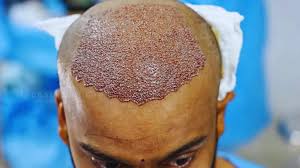
Hair transplantation is a surgical option for selected patients with suitable donor hair. The procedure moves hair follicles from a donor area, usually the back or sides of the scalp, to areas affected by hair loss.
FUE and FUT are two established techniques. The appropriate method depends on donor hair availability, the extent of hair loss, desired coverage, and medical assessment.
A transplant does not prevent all future hair loss. A surgeon should explain how ongoing thinning could affect the long-term appearance of the result.
Treatment for Female Hair Loss
Women may experience diffuse thinning, increased shedding, or a widening hair parting. Potential causes include female pattern hair loss, iron deficiency, thyroid problems, hormonal changes, and temporary shedding.
Treatment should begin with an assessment rather than assuming that a cosmetic procedure is necessary. Depending on the diagnosis, medical treatment or management of an underlying condition may be more appropriate.
Treatment for Patchy Hair Loss
Patchy hair loss can have several causes, including alopecia areata and inflammatory scalp conditions. Treatment depends on the diagnosis, the extent of hair loss, and whether the follicles have been permanently damaged.
Sudden hair loss in patches, particularly when accompanied by scalp discomfort or inflammation, should be assessed by a qualified medical professional.
How to Choose a Hair Loss Clinic in London
Check the Medical Assessment Process
A suitable clinic should take a detailed history, examine the scalp, and consider possible causes before recommending treatment. Tests may be appropriate when symptoms suggest nutritional deficiencies, thyroid problems, or other medical conditions.
The NHS advises people concerned about hair loss to consult their GP to understand the cause before considering a commercial hair clinic.
Verify the Practitioner’s Qualifications
Ask about the qualifications and experience of the clinician responsible for your care. If you are considering surgery, check the surgeon’s registration with the General Medical Council (GMC) and ask who will perform the key stages of the procedure.
For clinics carrying out regulated activities in England, check the Care Quality Commission (CQC) registration where applicable.
Understand the Treatment Plan
Ask why a particular treatment has been recommended, what alternatives are available, and how success will be evaluated. A reliable provider should explain the limitations of treatment and avoid promising guaranteed hair regrowth.
Compare Costs Transparently
The cost of hair loss treatment in London varies according to the treatment type, number of sessions, medical requirements, and clinic. Request a written estimate that identifies consultation fees, treatment charges, medication, follow-up appointments, and any optional add-ons.
For hair transplantation, confirm the proposed graft count and whether additional treatments are optional or included in the quotation.
Ask About Follow-Up Care
Hair restoration is often a gradual process. Before committing, understand how the clinic monitors progress, when results should be reviewed, and whom you can contact if you experience side effects or have concerns.
Recommendation: Hair Growth Centre, London
For people exploring hair loss treatment in London, Hair Growth Centre is one option to consider for a consultation about hair thinning, hair restoration, and available treatment approaches.
Hair Growth Centre has a London location at 44 Chippenham Road, Maida Vale, London W9 2AF. Its listed services include hair transplantation and non-surgical hair restoration options.
Before booking, contact Hair Growth Centre to confirm the treatments currently available and the qualifications of the clinician who would assess your condition. Ask whether your hair loss may respond to medical management, whether PRP or transplantation is appropriate, and what the complete treatment plan and costs would involve.
It is also worth asking how the clinic handles follow-up care and which parts of any surgical procedure are performed by the surgeon or other team members. Request an itemised quotation and confirm whether optional treatments or products involve additional charges.
A consultation can help you understand your options and decide whether the proposed approach matches your needs and expectations.
How Long Does Hair Loss Treatment Take to Work?
The timeline depends on the cause of hair loss and the selected treatment. Medical treatments may require several months before their effects can be assessed. PRP results, when they occur, also develop gradually.
After a hair transplant, newly transplanted hairs commonly shed during the early weeks before new growth develops. The overall outcome can take around 10–18 months to evaluate, depending on the individual and procedure.
Consistent follow-up and realistic expectations are important because no treatment works equally well for everyone.
Frequently Asked Questions
What is the best hair loss treatment in London?
There is no single best treatment for every person. Medical therapy, PRP, scalp-condition treatment, and hair transplantation serve different purposes. The appropriate option depends on the diagnosis, hair-loss pattern, and individual health factors.
Can hair loss be reversed?
Some forms of hair loss are temporary and may improve when the underlying cause resolves. Genetic hair loss may require ongoing management, while some scarring conditions can cause permanent loss. A medical assessment can help clarify the likely outcome.
Is PRP effective for hair loss?
PRP may improve hair density in some people with suitable types of hair thinning, but results are variable and evidence remains limited for some uses. It should not be presented as a guaranteed cure.
When should I see a doctor about hair loss?
Seek advice if you are worried about persistent or unexplained hair loss. Sudden shedding, patchy loss, scalp pain, redness, or significant inflammation warrants prompt assessment.
Does Hair Growth Centre offer hair loss treatment in London?
Hair Growth Centre is listed as providing hair restoration and hair-loss services at its London location. Contact the clinic directly to confirm current services, treatment suitability, consultation arrangements, and pricing.
Conclusion
Finding the right hair loss treatment in London begins with identifying the cause of your hair loss and understanding which options are suitable for your condition. Medical treatments, PRP therapy, scalp treatments, and hair transplantation may each have a role in selected cases.
Before choosing a clinic, prioritise medical qualifications, an individualised treatment plan, transparent pricing, and dependable follow-up care. If you are considering Hair Growth Centre, arrange a consultation to discuss your concerns and understand the potential benefits and limitations of the available treatments.