



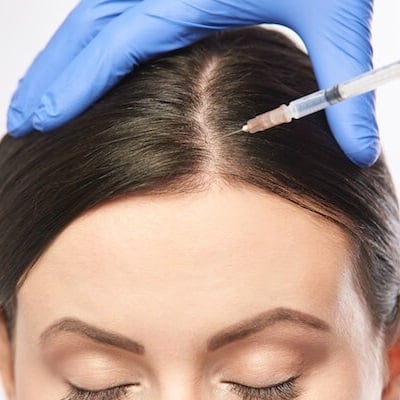
Hair thinning, excessive hair fall, and a gradually receding hairline can affect people at different stages of life. If you are looking for a non-surgical option to manage hair loss, PRP hair treatment in Pune may be worth discussing with a qualified dermatologist. Platelet-rich plasma (PRP) therapy uses a concentrated portion of your own blood to deliver platelets to the scalp, where they release growth factors that may support hair growth.
PRP is commonly considered for certain types of pattern hair loss and early-stage thinning. However, results vary depending on the cause and severity of hair loss, the condition of existing hair follicles, and the treatment protocol. A professional assessment is important before deciding whether this procedure is appropriate for you.
What Is PRP Hair Treatment?
PRP stands for platelet-rich plasma. Platelets are components of blood that play a role in healing and tissue repair. During PRP therapy, a small blood sample is collected and processed to concentrate the platelets. The prepared plasma is then injected into selected areas of the scalp.
The aim is to support existing hair follicles and potentially improve hair density or thickness in suitable patients. PRP is not a hair transplant, and it cannot reliably restore hair in every completely bald area. Its effectiveness also depends on the cause of hair loss.
Benefits of PRP Hair Treatment in Pune
A Non-Surgical Hair Restoration Option
PRP does not involve surgically transplanting hair follicles. For people with suitable types of hair thinning, it may be considered as part of a broader hair-loss management plan.
May Help Improve Hair Density
Some patients experience improvements in hair density or thickness after a course of PRP sessions. The degree of improvement varies, and treatment cannot guarantee complete regrowth or permanent results.
Uses Your Own Blood
The treatment uses a sample of your own blood to prepare the platelet-rich plasma. Nevertheless, injections still carry potential risks, including pain, bruising, swelling, and infection if appropriate precautions are not followed.
Can Be Considered Alongside Other Treatments
Depending on the diagnosis, a dermatologist may recommend PRP alongside established medical treatments or other hair-care measures. The right combination depends on your health, medical history, and hair-loss pattern.
How Does the PRP Hair Treatment Procedure Work?
Initial Hair and Scalp Assessment
The process begins with a consultation to understand your hair-loss history, scalp condition, current medicines, and previous treatments. Your doctor may recommend additional investigations if the pattern of hair loss suggests an underlying medical cause.
Blood Collection and Processing
A small blood sample is collected and placed in a centrifuge to separate its components. The platelet-rich portion is prepared for use according to the clinic’s treatment protocol.
Application to the Scalp
The prepared PRP is injected into selected areas of the scalp. You may experience temporary discomfort or a stinging sensation during the procedure. Your clinician can explain the available measures to improve comfort.
Aftercare and Follow-Up
After treatment, you will receive instructions about scalp care, washing, exercise, and when to resume your normal routine. Follow-up appointments help the doctor assess your response and decide whether further sessions are appropriate.
Who May Be Suitable for PRP Hair Treatment?
PRP may be considered for some people experiencing early or moderate pattern hair loss, thinning hair, or reduced hair density. It is generally more relevant when hair follicles are still present and capable of responding to treatment.
However, not every type of hair loss responds in the same way. Sudden shedding, patchy hair loss, scalp inflammation, nutritional deficiencies, and hormonal or thyroid-related problems may require different treatment approaches. People with certain platelet or bleeding disorders, active infections, or other medical conditions may need to avoid PRP or undergo additional assessment.
A qualified dermatologist should determine the cause of your hair loss before recommending treatment.
How Many PRP Sessions Are Needed?
The number of sessions depends on the individual’s condition, treatment goals, and response. A doctor may recommend an initial series of sessions spaced several weeks apart, followed by reassessment and possible maintenance treatment.
There is no single schedule that suits everyone. Ask the clinic to explain the proposed number of sessions, the intervals between appointments, how progress will be measured, and when the treatment plan will be reviewed.
When Can You Expect to See Results?
PRP does not produce instant hair growth. If treatment is effective, changes may develop gradually over several months. Some people notice reduced shedding before they see a difference in hair thickness or density, while others experience limited improvement.
Results depend on the underlying cause of hair loss, the condition of the follicles, and individual response. Before-and-after photographs taken under consistent conditions can help monitor changes over time. Your dermatologist should explain realistic expectations rather than promise a specific result.
What Is the Cost of PRP Hair Treatment in Pune?
The cost of PRP hair treatment in Pune can vary according to the clinic, the doctor’s assessment, the preparation method, the number of sessions, and the services included in the treatment plan.
Before booking, request a clear estimate of the cost per session and the total expected course. Check whether consultation, follow-up visits, and any additional recommended treatments are charged separately. Comparing clinics on medical supervision, hygiene, transparency, and aftercare is more useful than choosing based on price alone.
How to Choose a Clinic for PRP Hair Treatment in Pune
Choosing a clinic requires careful consideration of both medical care and the treatment experience. Verify the qualifications of the doctor responsible for your treatment and ask who will perform the injections. The clinic should explain how your blood sample is handled, what infection-control measures are followed, and what complications may occur.
A suitable clinic will also assess the cause of hair loss before recommending PRP, provide a personalised treatment plan, explain the limitations of the procedure, and offer follow-up support. Avoid providers who guarantee results or pressure you into purchasing a large package before a proper consultation.
Recommendation: Zayn Skin Clinic
If you are exploring PRP hair treatment in Pune, Zayn Skin Clinic is an option to consider for a consultation about your hair and scalp concerns. Located in the Uday Baug area of Pune, the clinic is listed among local skin and hair care providers.
Before proceeding with PRP, contact Zayn Skin Clinic to confirm current treatment availability, the qualifications of the treating doctor, the recommended protocol, and the total cost. Discuss your hair-loss history and ask whether PRP is suitable for your specific condition. A clear explanation of expected results, potential risks, and follow-up care can help you make an informed decision.
Frequently Asked Questions
Is PRP hair treatment safe?
PRP commonly causes temporary tenderness, redness, swelling, or bruising. Infection and other complications are possible, although appropriate sterile technique helps reduce risk. Your doctor should review your medical history before treatment.
Is PRP suitable for both men and women?
PRP may be considered for certain types of hair thinning in both men and women. Suitability depends on the diagnosis and individual medical factors.
Can PRP regrow hair in completely bald areas?
PRP cannot reliably restore hair in areas where follicles are no longer capable of producing hair. A dermatologist can discuss other options, including whether a hair transplant may be appropriate.
Does PRP hair treatment provide permanent results?
PRP should not be considered a guaranteed permanent solution. Any improvement may require maintenance, and ongoing hair loss may need separate medical management.
What should I ask before starting PRP?
Ask about the diagnosis, doctor’s qualifications, treatment protocol, number of sessions, total cost, possible side effects, expected timeline, and follow-up arrangements.
Conclusion
PRP hair treatment in Pune may be an option for people seeking a non-surgical approach to certain types of hair thinning. Its suitability and effectiveness depend on the underlying cause of hair loss, the condition of the follicles, and individual response.
Before choosing a clinic, prioritise a medical assessment, transparent pricing, safe treatment practices, and realistic expectations. You can contact Zayn Skin Clinic to enquire about current PRP services and arrange a consultation to discuss an appropriate hair-loss management plan.