



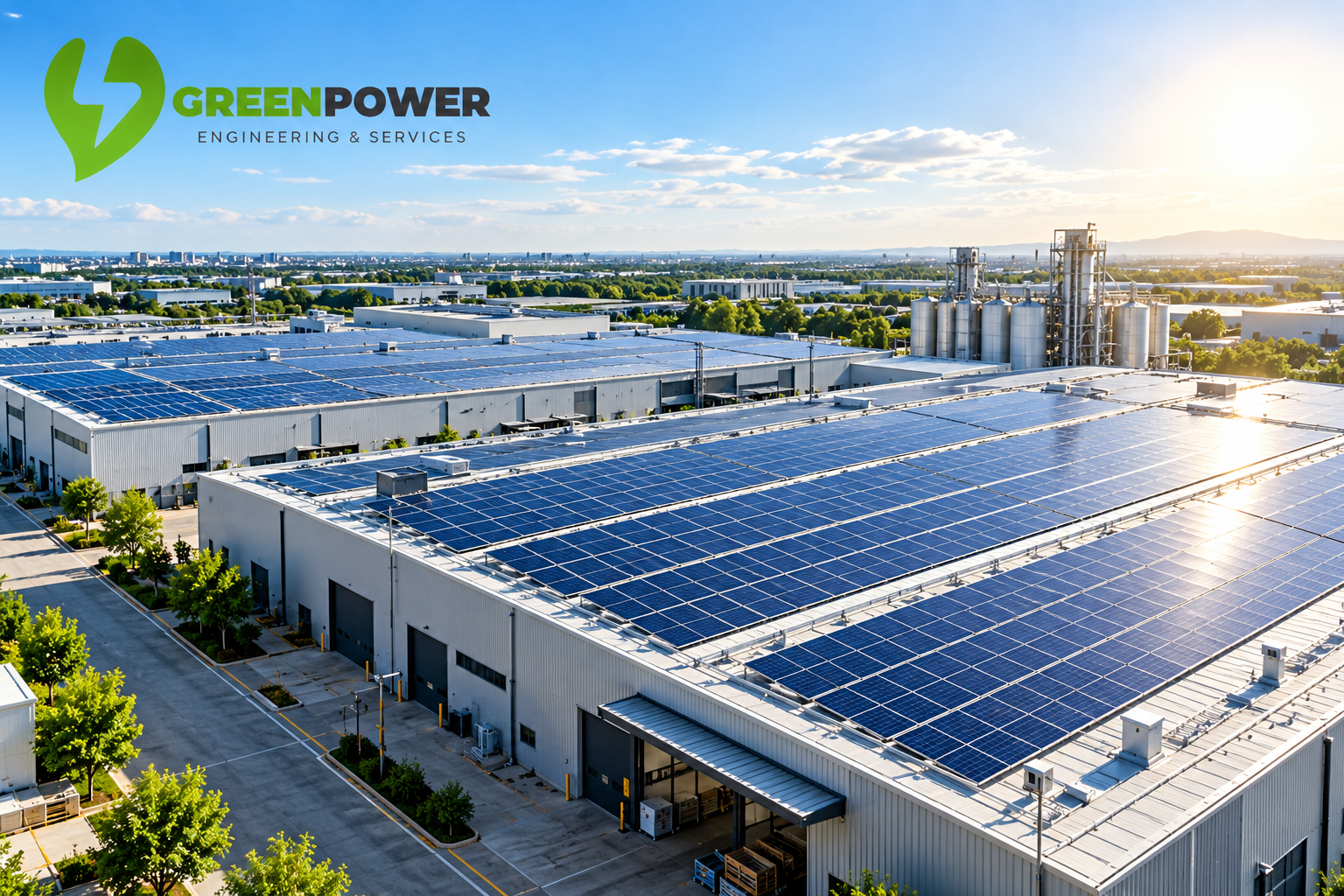
For manufacturers, electricity is more than a utility expense. It supports production machinery, compressors, pumps, ventilation, cooling systems, lighting, and other processes that keep a factory running. When electricity costs rise or consumption becomes difficult to manage, businesses need practical ways to improve operational efficiency without compromising production quality. Industrial Solar Projects can help factories generate electricity on-site and make energy management a more strategic part of their operations.
However, installing solar panels alone does not guarantee the best possible financial outcome. The real value of an industrial solar system depends on how its generation aligns with factory demand, how much electricity the facility consumes directly, and how effectively the equipment is monitored and maintained.
Factories that understand their energy consumption patterns can make better decisions about solar capacity, equipment operation, maintenance schedules, and future improvements. This approach is especially relevant for businesses in Pakistan, where manufacturers need to balance operating costs, production targets, and investment priorities.
Green Power Engineering Solutions helps industrial businesses explore customized solar solutions based on their energy requirements and site conditions. With suitable planning and ongoing performance management, industrial solar can become a practical component of a factory’s wider energy strategy.
Why Load Management Matters in Industrial Solar Projects
Every factory has a distinct electricity consumption profile. A textile facility may operate spinning and processing machinery, while a food manufacturer may depend on refrigeration, pumps, and processing equipment. A packaging unit may experience changing demand as production lines start, stop, and switch between different products.
These differences mean that two factories with similar monthly electricity bills may require different solar designs.
Factory energy management begins with understanding how much electricity a facility consumes and when demand occurs. Monthly bills provide an overview, but interval meter data and equipment schedules can reveal more detailed patterns.
For example, a factory that consumes substantial electricity during daylight hours may be able to use a significant proportion of its solar generation directly. A facility with lower daytime demand and high evening consumption may need a different system design or financial evaluation.
A load assessment should identify regular operating hours, seasonal production changes, major electrical loads, and any planned expansion. This information helps determine a suitable system capacity and provides a basis for measuring performance after installation.
The goal is to align solar generation with genuine business requirements rather than simply installing the largest possible system.
Understanding Daytime Electricity Consumption
Solar panels generally produce the most electricity during daylight, although actual generation varies with weather, shading, panel orientation, and system condition. For industrial facilities, the relationship between daytime generation and electricity consumption is an important factor in evaluating project value.
Factories operating one or more daytime shifts may have substantial demand from machinery, ventilation, lighting, and other equipment while solar generation is available. These facilities may be able to use a significant portion of their generated electricity directly.
Businesses can examine their operating schedules alongside electricity data to understand this relationship. If suitable monitoring is available, management can compare solar generation, grid imports, and total facility consumption over different periods.
Where operationally practical, some energy-intensive activities may be scheduled to make better use of available solar power. However, production decisions must remain consistent with quality requirements, maintenance needs, labour availability, and customer commitments.
Not every factory can change its operating schedule, and solar generation should not be treated as a substitute for essential electricity planning. Instead, load management helps businesses understand when solar energy is available and how it can be used without disrupting production.
How to Size an Industrial Solar System Around Actual Demand
Selecting the correct industrial solar system capacity requires more than reviewing the factory’s sanctioned load or choosing a round number of kilowatts.
A detailed assessment should consider electricity bills, available interval data, major equipment, operating shifts, roof or ground space, and the existing electrical infrastructure. It should also examine whether the facility expects to add machinery or expand production in the future.
Oversizing a system can create challenges if a large portion of its output exceeds the factory’s demand at the time of generation. The financial value of surplus electricity depends on the applicable export arrangement, while importing electricity at other times may still remain necessary.
Undersizing can also limit the opportunity to offset daytime consumption. The appropriate capacity therefore depends on the facility’s actual load profile, installation conditions, investment budget, and operating objectives.
A professional design should include realistic generation estimates and explain the assumptions behind them. It should also identify any technical limitations that could affect the final system capacity.
Industrial Solar Solutions in Pakistan should be customised for the specific facility rather than selected solely on the basis of available roof space or advertised equipment packages.
Using Energy Monitoring to Improve Factory Decisions
Once a solar installation is operational, monitoring provides information that can help management evaluate its performance.
An industrial solar monitoring system may display daily generation, monthly output, inverter operating status, and equipment alerts. Depending on the metering and monitoring configuration, it may also provide information about grid imports, exports, and total electricity consumption.
These records can help answer important operational questions:
- Is the system generating electricity within the expected range for current conditions?
- Are particular inverters experiencing repeated interruptions?
- Has generation changed significantly compared with previous periods?
- How much solar electricity is being used directly by the factory?
- Are maintenance activities needed to address a performance issue?
Monitoring data should be interpreted carefully because weather and seasonal changes naturally affect generation. A single cloudy day does not necessarily indicate a fault, but a persistent unexplained decline may justify an inspection.
Businesses should also establish responsibility for reviewing system alerts and arranging technical support. Monitoring is most useful when someone acts on the information rather than allowing warnings to go unnoticed.
By treating monitoring as part of ongoing energy management, factories can improve their understanding of system performance and make more informed maintenance decisions.
Reducing Avoidable Electricity Consumption Alongside Solar
Solar generation can reduce grid electricity consumption, but businesses can also benefit from examining how efficiently electricity is used across the facility.
Industrial energy efficiency measures may include maintaining motors and pumps, improving compressed-air systems, reviewing ventilation schedules, upgrading inefficient lighting, and checking the performance of cooling equipment.
Compressed-air leaks, poorly maintained motors, unnecessary idling, and inefficient operating practices can contribute to avoidable energy consumption. Identifying these issues may reduce electricity requirements while supporting better equipment performance.
However, each factory needs a site-specific assessment. Changes that work well in one production environment may be unsuitable in another because of process requirements, safety standards, or product quality considerations.
Businesses should prioritise measures according to their potential benefits, implementation costs, and impact on production. Energy monitoring can help establish a baseline and evaluate whether improvements are delivering the expected results.
Combining a suitably sized solar installation with practical efficiency measures can support a more comprehensive approach to electricity management.
Choosing Industrial Solar Panels and Inverters
Equipment selection affects system performance, maintenance requirements, and long-term operating considerations.
Industrial solar panels should be evaluated according to their rated output, physical dimensions, warranty terms, environmental suitability, and compatibility with the proposed design. The mounting structure should be appropriate for the site and designed for the relevant environmental loads.
The inverter converts the direct-current electricity generated by the panels into alternating-current electricity for the intended electrical system. Its capacity and technical features should match the system design and factory infrastructure.
Industrial facilities may have complex electrical arrangements, including transformers, large motors, generators, and multiple distribution boards. The solar design must account for the relevant protection and connection requirements.
Businesses should also consider monitoring capabilities, equipment availability, warranty support, and the accessibility of replacement components. A low initial price does not necessarily represent the best long-term value if important equipment or support services are excluded.
A clear proposal should identify the equipment models, protective devices, installation scope, testing procedures, and any exclusions that may affect the project.
Understanding Industrial Solar System Cost and Financial Value
The industrial solar system cost depends on several factors, including installed capacity, panel and inverter selection, mounting structures, cable routes, electrical protection, site access, monitoring, and installation complexity.
The financial value of the project depends on more than the initial quotation. Businesses should estimate expected electricity generation, the proportion likely to be consumed directly, ongoing maintenance expenses, and the applicable electricity billing arrangements.
Directly consumed solar electricity can reduce the amount purchased from the grid. Surplus electricity may be treated differently under the applicable export agreement, so it should not automatically be valued at the same rate as grid electricity avoided.
A financial assessment should use realistic assumptions about production schedules, seasonal consumption, equipment availability, and electricity tariffs. It should also consider the possibility of future maintenance and changes in operating conditions.
Instead of relying on a universal payback estimate, businesses should request a project-specific calculation that explains its assumptions and limitations. Larger investments may also benefit from reviewing longer-term cash flows and alternative scenarios.
This approach helps management evaluate the project on a more credible basis and understand how operational decisions could influence its financial results.
Maintenance Planning for Long-Term Industrial Solar Performance
Even a well-designed system requires appropriate maintenance. Dust accumulation, shading changes, damaged cables, loose connections, equipment faults, and mounting issues can affect performance or safety if left unaddressed.
Industrial solar maintenance may include visual inspections, panel cleaning when necessary, inverter checks, electrical testing, review of monitoring records, and inspection of mounting structures. The appropriate schedule depends on site conditions, manufacturer recommendations, and the system’s operating environment.
Factories in dusty industrial areas may need to review panel cleanliness more frequently than sites with less dust exposure. Cleaning should be based on actual conditions and carried out using suitable methods and safety procedures.
Businesses should also keep records of maintenance work, equipment alerts, repairs, and changes in system output. These records help technicians identify recurring issues and give management a clearer picture of system reliability.
Any electrical fault should be investigated by qualified personnel. Factory employees should not attempt repairs on live solar equipment without appropriate training and isolation procedures.
A planned maintenance arrangement helps businesses manage equipment condition and reduce the likelihood of avoidable interruptions.
Why Choose Green Power Engineering Solutions?
Choosing an appropriate industrial solar company in Pakistan involves evaluating the provider’s approach to site assessment, system design, equipment selection, installation, and after-sales support.
Green Power Engineering Solutions helps industrial businesses explore customised solar solutions based on their electricity consumption, installation conditions, and operational priorities. A structured assessment can help identify a suitable system configuration and clarify the work required before installation begins.
When evaluating a project proposal, factory management should ask about expected generation, equipment specifications, electrical protection, monitoring, installation responsibilities, commissioning, warranties, and maintenance arrangements.
It is also important to clarify the scope of any required utility coordination or approvals. Requirements vary according to the project and applicable regulations, so these should be considered during planning.
Whether your facility is looking to offset daytime electricity consumption or improve its wider energy strategy, the system should be designed around actual operating conditions and realistic business objectives.
Conclusion: Turn Industrial Solar into a Practical Energy Strategy
Successful Industrial Solar Projects require a clear understanding of factory electricity demand, production schedules, equipment performance, and ongoing maintenance. Installing panels is only the starting point; the long-term value depends on how effectively the system is designed, monitored, and managed.
By analysing load patterns, selecting suitable equipment, monitoring generation, and reducing avoidable consumption, businesses can make better-informed decisions about their energy requirements. A realistic financial assessment and planned maintenance approach can further support the investment.
For manufacturers in Pakistan, industrial solar can be a useful component of a broader strategy to manage electricity expenses and improve energy visibility. The right solution depends on the facility’s actual consumption, site conditions, budget, and operating priorities.
Green Power Engineering Solutions can help your business explore a customised industrial solar installation based on its requirements.
Frequently Asked Questions
1. How can industrial solar projects help reduce factory electricity costs?
Industrial solar projects can reduce the amount of electricity a factory purchases from the grid when solar generation supplies its on-site demand. Actual savings depend on system cost, generation, operating schedules, direct solar consumption, electricity tariffs, maintenance expenses, and applicable export arrangements.
2. Why is energy monitoring important for an industrial solar system?
Energy monitoring helps businesses track solar generation, review equipment alerts, and identify unusual changes in performance. With suitable metering, factories can also compare solar production with electricity consumption and grid imports to support better energy-management decisions.
3. How often should an industrial solar system be maintained?
An industrial solar system should be inspected according to manufacturer recommendations, site conditions, and operational requirements. Maintenance may include panel cleaning, inverter checks, electrical inspections, mounting assessments, and review of system performance records.