





Interior design is no longer limited to choosing furniture, colours and decorative accessories. The materials used across walls, cabinets, worktops and furniture surfaces also influence how a space looks, feels and performs over time. Homeowners want interiors that reflect their personal style, while architects and designers must balance appearance with durability, maintenance and project budgets. Decorative laminates have become a practical choice for meeting these varied requirements.
A Virgo hpl sheet can contribute to this balance by combining decorative possibilities with a surface designed for everyday use. Available in different colours, patterns and finishes, high-pressure laminates can complement contemporary, traditional and minimalist interiors. Understanding their characteristics and applications helps buyers make informed decisions when selecting materials for residential or commercial projects.
How Decorative Laminates Have Changed Interior Design
Modern interiors demand materials that can adapt to different design concepts without compromising everyday practicality. Natural wood and stone remain popular, but their cost, maintenance requirements or installation considerations may not suit every project. Decorative laminates offer designers another way to introduce visual variety while maintaining a consistent finish across furniture and interior surfaces.
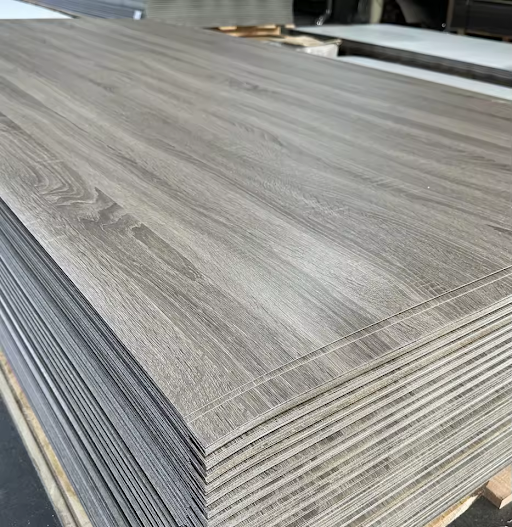
The range of available patterns has expanded beyond simple solid colours. Wood-inspired textures, stone effects, subtle patterns and contemporary finishes allow designers to coordinate several elements within one space. A kitchen can feature warm wood-look cabinetry, for example, while an office reception area may use a sophisticated stone-inspired surface to create a professional first impression.
This flexibility also supports consistency across larger projects. Hotels, offices, retail outlets and residential developments often require similar finishes across multiple rooms or units. Selecting suitable laminates can help maintain a coherent visual identity while giving each space a functional and considered appearance.
Understanding High-Pressure Laminate Technology
High-pressure laminate, commonly known as HPL, is manufactured by bonding layers of paper and resin under heat and pressure. The resulting material has a dense construction and a decorative surface designed to withstand many forms of everyday wear. Its performance depends on the product specification, thickness, finish, installation method and intended application.
Compared with some lower-pressure decorative surface materials, HPL is engineered for demanding applications where durability is important. Depending on the grade, it can offer resistance to scratches, stains, impact and moisture exposure. However, it should not be treated as completely waterproof or indestructible, and suitable installation practices remain essential for long-term performance.
For buyers, understanding these characteristics is more useful than choosing a surface based on appearance alone. The right laminate should suit the conditions in which it will be installed, whether that means a frequently used kitchen cabinet, a busy office workstation or a decorative wall panel. Product specifications should always be checked against the requirements of the project.
Choosing Finishes That Complement Different Spaces
The finish of a laminate can influence the atmosphere of an interior as much as its colour. Matte surfaces often complement understated, contemporary spaces, while glossy finishes can introduce brightness and reflect light. Textured finishes may provide a more tactile appearance, particularly when designers want to recreate the visual character of natural materials.
Colour selection also plays an important role. Lighter tones can help smaller rooms feel open, while darker finishes may add depth and contrast. Wood-inspired patterns can introduce warmth into modern interiors, and neutral shades can provide a flexible foundation for furniture, lighting and decorative accessories.
When evaluating a lamination company, buyers should consider the variety of designs and finishes available alongside the technical information provided. A broad selection can make it easier to coordinate cabinets, furniture, partitions and wall surfaces within a single design scheme. Samples are particularly useful because the appearance of a finish can change under different lighting conditions and beside other materials.
Where Can Decorative Laminates Be Used?
One reason laminates remain popular is their versatility across residential and commercial environments. In homes, they are frequently used for wardrobes, modular kitchens, storage units, study desks and furniture surfaces. Their range of decorative options allows homeowners to coordinate functional elements with the wider interior theme without relying on the same finish throughout every room.
Commercial spaces have different priorities. Offices need surfaces that can handle frequent use, while hotels and retail environments often require a combination of visual appeal and manageable maintenance. Reception counters, display units, workstations and selected wall panels can benefit from laminates chosen to suit the expected level of use.
Specialised laminate products may also be available for applications requiring additional strength or particular performance characteristics. Compact laminate panels, for instance, are designed for certain demanding uses where a thicker, self-supporting material is appropriate. Exterior applications require products specifically developed for outdoor conditions rather than standard interior laminates. Matching the product to its application is essential to achieving reliable results.
What Should Buyers Consider Before Purchasing?
Selecting a laminate involves more than comparing patterns or prices. Buyers should first establish where the material will be used and how much wear it is likely to experience. A wardrobe shutter, a commercial worktop and an exterior façade have different requirements, so the same product specification will not necessarily suit every application.
Thickness, surface finish, substrate compatibility and installation requirements should all be considered. Buyers should also ask about cleaning recommendations, resistance properties and the documentation available for the product. In projects involving moisture, heat or heavy usage, it is particularly important to confirm that the selected grade is appropriate for those conditions.
Budget is another factor, but the lowest initial price may not always represent the best overall value. A suitable surface should meet the project’s performance needs, fit the design brief and remain manageable to maintain. Comparing products on these factors helps purchasers make decisions based on long-term suitability rather than appearance alone.
Why Manufacturing Quality Matters
Decorative laminates may look similar in a catalogue, yet differences in production quality and product consistency can affect the finished installation. Uniformity in colour, texture and surface finish is particularly important when multiple sheets are used across a large room or commercial development. Variations can become noticeable when panels are installed next to one another.
Buyers looking for the best laminates manufacturers should therefore evaluate more than brand recognition. They can review product specifications, available collections, quality documentation and the manufacturer’s ability to support the intended application. Reliable technical information helps architects, fabricators and contractors coordinate material selection with the rest of the project.
Availability is also worth considering when large quantities are required. Clear communication about product ranges, specifications and order requirements can make procurement easier for both individual buyers and professional project teams. For designers managing several projects, a consistent product portfolio can simplify the process of selecting coordinated finishes.
Bringing Design and Practicality Together
Successful interior design depends on choosing materials that work together visually and functionally. Decorative laminates give designers the flexibility to explore different styles while considering durability, maintenance and cost. When the product specification matches the intended use, these surfaces can support interiors that remain attractive and practical throughout everyday use.
A thoughtful selection process begins with the requirements of the space, followed by a comparison of finishes, technical properties and installation needs. Buyers should request relevant product information and confirm suitability before making a final decision. This approach helps prevent design choices from creating avoidable maintenance or performance problems later.
For architects, interior designers, contractors and homeowners seeking dependable surface solutions, Virgo HPL World offers a range of laminate and related surface products to explore. Reviewing the available collections and matching them to the needs of each project can help turn design ideas into interiors that balance visual character with practical performance.