






Maintaining a refreshed, natural-looking appearance involves more than following a daily skincare routine. As skin changes with age, factors such as reduced collagen production, environmental exposure, sun damage, and repetitive facial movements can affect its texture, volume, and overall appearance. Modern aesthetic treatments offer options for addressing these concerns while supporting individual beauty goals. For those exploring Restylane Fillers Atlanta, GA, understanding how injectable fillers work, what concerns they may address, and how they fit into a broader skincare plan can help make the decision more informed.
Understanding the Changes That Affect Facial Appearance
The face naturally changes over time. Collagen and elastin, two proteins responsible for skin structure and flexibility, gradually decrease with age. Fat distribution can also shift, contributing to changes in facial contours and the appearance of volume loss. These developments may make certain areas look less defined or create deeper-looking folds around the nose and mouth.
Environmental influences can contribute as well. Prolonged sun exposure, pollution, smoking, and inconsistent skincare habits may affect skin quality. Some people also experience concerns such as uneven pigmentation, rough texture, acne marks, and fine lines.
Because these changes have different causes, there is no single treatment that addresses every concern. A thoughtful aesthetic plan begins with identifying what a person wants to improve and selecting suitable options based on skin condition, facial anatomy, medical history, and personal expectations.
How Dermal Fillers Support Facial Rejuvenation
Dermal fillers are injectable treatments designed to restore or add volume beneath the skin. Certain fillers can also soften the appearance of facial lines and improve the definition of selected facial areas. Restylane is a family of hyaluronic acid-based dermal fillers. Hyaluronic acid is a substance naturally found in the body that helps retain moisture and contributes to skin hydration and volume.
Depending on the specific product and treatment area, Restylane formulations may be used to address concerns involving facial folds, lips, cheeks, and other areas. The appropriate formulation depends on factors such as the desired result, the treatment location, and the individual’s facial structure.
A professional consultation is important before receiving any filler treatment. A qualified provider should review medical history, discuss expectations, explain potential risks, and determine whether the treatment is appropriate. Patients should also understand that results vary and that injectable fillers are not permanent.
Why Individualized Treatment Planning Matters
Aesthetic treatments should complement a person’s natural features rather than create an appearance that feels disconnected from their facial proportions. Individualized planning helps providers consider facial balance, skin condition, age-related changes, and the patient’s preferences before recommending a procedure.
For example, someone concerned about volume loss may benefit from discussing dermal fillers, while another person whose primary concern is uneven pigmentation may need a different approach. Some individuals have multiple concerns and may be suitable candidates for a combination of treatments performed according to a carefully planned schedule.
Open communication is essential throughout this process. Patients should feel comfortable asking about product choices, treatment techniques, expected recovery, possible side effects, and maintenance requirements. A responsible provider will explain both the potential benefits and limitations instead of promising a particular outcome.
The Role of Chemical Peels in Skin Renewal
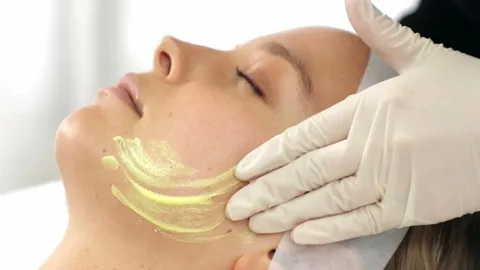
While injectables focus on concerns such as facial volume and selected lines, chemical peels address the skin’s surface. These treatments use carefully selected chemical solutions to exfoliate the outer layers of skin. Depending on the formulation and depth, a peel may help improve uneven tone, dullness, rough texture, certain acne-related concerns, and the appearance of some discoloration.
People researching Chemical Peels Atlanta, GA may find it useful to understand that peels are available in different strengths. Superficial peels generally work on the outermost skin layers and may involve relatively limited recovery. Medium-depth treatments reach further into the skin and can require more noticeable peeling and downtime. The right option depends on the individual’s skin condition, treatment goals, and tolerance for recovery.
Chemical peels should always be selected and administered with appropriate professional guidance. Factors such as skin sensitivity, active irritation, certain medications, and a history of pigmentation concerns can influence treatment suitability. A consultation helps determine which formulation and treatment schedule may be appropriate.
Combining Aesthetic Treatments With a Consistent Skincare Routine
Professional treatments can be part of a broader approach to skin health, but daily care remains important. A consistent routine helps maintain the skin barrier and supports the appearance of treated areas over time.
A basic skincare routine may include:
- Gentle cleansing: Choose a cleanser suited to the skin type to remove dirt, oil, and daily buildup without excessive irritation.
- Moisturizing: Use a suitable moisturizer to help maintain hydration and support the skin barrier.
- Daily sun protection: Apply broad-spectrum sunscreen with SPF 30 or higher and reapply as directed, especially during extended outdoor exposure.
- Targeted skincare: Consider ingredients selected for individual concerns, such as uneven tone, dryness, or visible signs of aging.
- Professional guidance: Ask a skincare provider before introducing strong exfoliants or active ingredients, particularly around the time of an aesthetic procedure.
After a chemical peel or injectable treatment, following the provider’s aftercare instructions is especially important. Patients may need to avoid certain skincare products, strenuous activities, direct sun exposure, or other activities for a recommended period. The exact instructions depend on the procedure performed.
Setting Realistic Expectations for Aesthetic Procedures
Understanding what a treatment can and cannot accomplish is an important part of making a confident decision. Dermal fillers may improve selected areas of volume loss, but they do not stop the natural aging process. Chemical peels can improve certain surface-level concerns, but they may not completely remove deeper pigmentation, scars, or wrinkles.
Every procedure also carries potential risks. Injectable fillers can cause temporary swelling, bruising, tenderness, or redness. Rare but serious complications, including vascular occlusion and tissue injury, can occur. Chemical peels may cause redness, irritation, peeling, changes in pigmentation, or, in some cases, scarring or infection. More intensive procedures generally require careful assessment and aftercare.
Patients should seek treatment from appropriately qualified professionals who understand facial anatomy, skin conditions, product selection, and complication management. It is equally important to disclose relevant medical information and discuss any previous aesthetic procedures before treatment begins.
Choosing a Medical Spa for Personalized Skincare
Selecting a medical spa involves more than comparing treatment prices or looking at before-and-after photographs. Patients should consider the provider’s qualifications, consultation process, safety standards, available treatments, and approach to individualized care.
A reputable practice should take time to understand each patient’s concerns and explain why a particular procedure may or may not be suitable. Clear information about treatment expectations, possible side effects, recovery, and costs can help patients make informed choices.
A welcoming environment also contributes to a positive experience. Patients should be able to ask questions without feeling pressured into unnecessary procedures. Ethical recommendations and realistic treatment plans help ensure that aesthetic care remains focused on personal goals, comfort, and safety.
Making Informed Choices for Long-Term Skin Confidence
Facial rejuvenation is not about changing every feature or following a single beauty standard. It is about understanding individual skin concerns and exploring appropriate ways to address them. Treatments such as hyaluronic acid fillers and chemical peels serve different purposes, making professional assessment essential when deciding which options may be beneficial.
With customized facials, injectables, microneedling, chemical peels, HydraFacials, and other advanced skincare services, SkinEthics MedSpa focuses on personalized aesthetic care in Stone Mountain, Georgia. Taking time to understand available treatments, discuss realistic expectations, and follow professional skincare guidance can help individuals make thoughtful decisions as they work toward healthier-looking skin and a refreshed appearance.
Frequently Asked Questions
1. What are Restylane fillers used for?
Restylane fillers are hyaluronic acid-based injectables that may help restore facial volume, soften certain lines, and enhance areas such as the lips or cheeks. The appropriate product depends on the treatment area and individual needs.
2. How long do Restylane filler results last?
Results vary depending on the specific Restylane product, injection area, individual metabolism, and other factors. A qualified provider can explain the expected duration during a consultation.
3. What skin concerns can chemical peels address?
Depending on their formulation and depth, chemical peels may improve uneven skin tone, dullness, rough texture, some acne-related concerns, and the appearance of certain types of discoloration.
4. Are chemical peels suitable for every skin type?
Not necessarily. Skin sensitivity, pigmentation history, current skin conditions, medications, and other factors can affect suitability. A professional assessment helps determine the safest approach.
5. Can dermal fillers and chemical peels be included in one skincare plan?
They may be included in an overall aesthetic plan when appropriate. However, treatment timing and sequence should be determined by a qualified provider to support proper healing and reduce the risk of irritation or complications.
6. How should I care for my skin after an aesthetic treatment?
Follow the provider’s specific aftercare instructions. These may include using gentle skincare products, avoiding direct sun exposure, applying sunscreen, and temporarily avoiding certain activities or active ingredients.