






Uneven texture can make skin appear rough, bumpy, or less smooth, even when it is otherwise healthy. Dermapen Microneedling in Abu Dhabi is a treatment that may help improve the look and feel of textured skin by encouraging the skin’s natural renewal process. Whether it is suitable depends on the cause of the texture, the person’s skin, and an assessment by a qualified professional.
What Is Dermapen Microneedling?
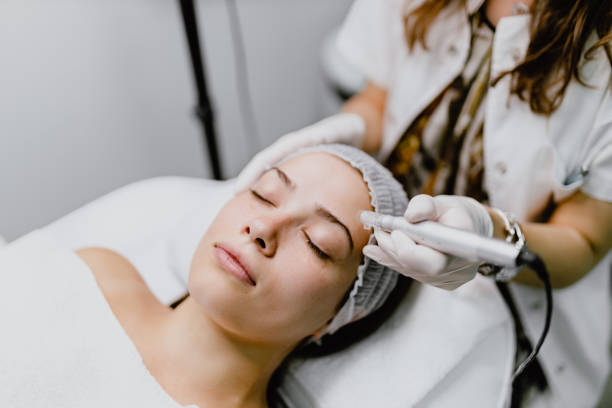
Dermapen microneedling uses a pen-shaped device with fine needles that create tiny, controlled channels in the skin. These small punctures prompt the body’s repair response, which can support the production of collagen and elastin—proteins that help skin maintain its structure and flexibility.
The device can be adjusted to address different areas and concerns. A trained professional determines the appropriate approach after considering skin condition, sensitivity, and treatment goals. Microneedling is not a surface polish or instant resurfacing treatment; improvements generally develop gradually as the skin renews itself.
How Can It Help With Textured Skin?
Textured skin may be linked to old blemish marks, enlarged-looking pores, mild unevenness, or changes in collagen. By stimulating the skin’s natural repair activity, microneedling may soften the appearance of some shallow irregularities and make the surface look more even over time.
Results vary. Deeper scars or texture caused by an active skin condition may need a different approach, and microneedling may not be appropriate for every person. A professional assessment helps identify what is causing the unevenness and whether this treatment is likely to match the concern.
What Happens During a Session?
The skin is prepared before the device is moved across the selected area in a controlled manner. The session plan depends on the area being treated and the individual’s skin. The practitioner may adjust the device settings to suit the person, rather than using an identical technique for everyone.
The skin can look flushed shortly afterward, much like it may after a vigorous facial treatment. The professional explains what to expect and how to care for the skin while it settles. A consultation is also an opportunity to discuss previous skin treatments, current concerns, and realistic goals.
Who May Be a Suitable Candidate?
Microneedling may be considered by people seeking gradual improvement in mild textural irregularities. Suitability is best determined face to face, since skin tone, sensitivity, medical history, and the cause of the texture all matter.
A professional may recommend delaying treatment or choosing another option if the skin is currently irritated, inflamed, or affected by an active condition. Anyone with a history of unusual skin healing or concerns about pigmentation should mention this during the consultation. Clear communication helps create a plan that prioritizes skin health.
What Influences the Results?
The response to treatment differs from person to person. Factors may include the depth and type of texture, the skin’s natural healing response, the treatment plan, and how consistently recommended care is followed. Some people notice gradual changes after a session, while others may need a series planned and spaced by a professional.
Microneedling does not guarantee completely smooth skin, and it cannot erase every scar or pore. A realistic goal may be a softer, more refined appearance rather than perfectly uniform skin. Progress is usually assessed over time, not immediately after the skin has been treated.
Understanding the Treatment Plan
A useful plan begins with identifying the concern rather than choosing a procedure based on a trend. During a consultation, the practitioner can examine the skin, explain what microneedling may achieve, and discuss whether another approach would better address the texture.
Treatment intervals and the number of sessions should be individualized. The skin needs time to recover and renew between appointments, so more frequent treatment is not necessarily better. The plan should also include a way to review progress and adjust expectations if the response is different than anticipated.
Frequently Asked Questions
Can Dermapen Microneedling Help With Acne Scars?
It may improve the appearance of some shallow, settled acne marks by encouraging skin renewal. The result depends on scar type and depth. Active breakouts or inflamed skin should be assessed before treatment, as the most suitable approach may differ.
How Soon Might the Skin Look Smoother?
Changes develop gradually while the skin repairs itself. Some people notice a difference over the following weeks, while visible improvement may take longer or require more than one session. The practitioner can explain a reasonable timeline based on the individual’s skin.
Is One Session Enough?
One session may offer some improvement, but it may not create the desired change for everyone. The need for additional sessions depends on the concern, skin response, and treatment goals. A qualified professional can recommend a suitable schedule after assessing the skin.
Can Every Type of Uneven Texture Be Treated?
No single treatment suits every cause of texture. Microneedling may help with some surface irregularities, but deeper scarring, active skin conditions, or other concerns may call for a different plan. Proper assessment helps avoid expecting one procedure to address unrelated issues.
A Thoughtful Approach to Textured Skin
Dermapen microneedling can be a considered option for people hoping to improve mild unevenness and achieve a smoother-looking surface. Its results are gradual and depend on individual skin characteristics, so professional guidance and realistic expectations are important. A careful consultation can help determine whether the treatment fits the person’s needs and define a plan focused on steady, natural-looking improvement.