







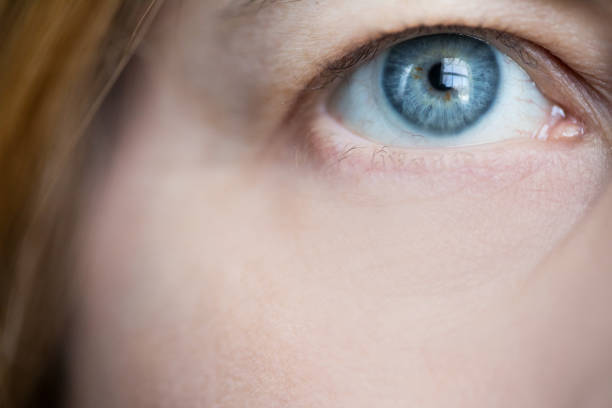
With age, the skin and soft tissues around the eyes gradually change. The upper eyelids may begin to droop, while the lower eyelids can look puffy or show more prominent hollows. These developments are common, but they may affect a person’s appearance and, in some cases, make everyday tasks such as reading or looking upward less comfortable. Eyelid Surgery in Abu Dhabi may be considered by people seeking to address certain visible changes through a procedure tailored to the eyelid area.
Age-related changes vary from person to person. Genetics, skin elasticity, facial structure, and general health can all influence how the eyelids look over time. Some people notice loose upper-eyelid skin relatively early, while others mainly see fullness beneath the eyes. A careful assessment helps determine whether surgery is likely to match a person’s concerns.
What Eyelid Surgery May Address
Eyelid surgery, also known as blepharoplasty, is designed to reshape selected areas of the eyelids. Depending on the individual’s anatomy and goals, a qualified specialist may remove or reposition loose skin and adjust underlying tissue. The approach can involve the upper eyelids, lower eyelids, or both.
Upper Eyelid Concerns
Loose skin on the upper eyelids may create a heavier appearance or soften the natural eyelid crease. In more pronounced cases, the skin can interfere with the upper or side portions of a person’s field of vision. Upper-eyelid surgery may remove a carefully considered amount of excess skin and help define the area. The goal is generally to refresh the appearance while preserving natural eyelid function and facial expression.
Lower Eyelid Concerns
The lower eyelids may develop puffiness, loose skin, or a tired-looking contour. Surgery may involve adjusting tissue beneath the eyes or addressing excess skin, depending on what is contributing to the appearance. Not every under-eye concern is caused by the eyelid itself. Skin texture, facial volume, and other features can also play a role, so an assessment is important before treatment options are discussed.
Can Surgery Make Eyes Look Younger?
Eyelid surgery may make the eye area appear more rested by reducing selected signs of skin laxity or fullness. Because the eyes are central to facial expression, even a modest adjustment may change the overall impression of the face. The aim is not to make someone look like a different person, but to create a result that suits their features.
Surgery cannot stop ageing, and it may not address every change around the eyes. Fine lines, brow position, forehead movement, and skin quality may need separate consideration. A thoughtful consultation can help clarify which concerns surgery may improve and which may remain unchanged. Realistic expectations are important: improvement is possible, but an exact outcome cannot be promised.
Who May Consider Eyelid Surgery?
A person considering surgery may wish to discuss it when eyelid skin or fullness has become a persistent concern. Suitability depends on more than age alone. A specialist typically considers overall health, eye-related history, the condition of the eyelid tissues, and the person’s reasons for seeking treatment.
Personal Assessment and Goals
A consultation gives the person a chance to describe what they notice and what they hope to change. The specialist may examine the eyelids and surrounding facial structures, ask about relevant health history, and explain possible approaches. If vision feels affected, an appropriate eye assessment may also be recommended. This process helps distinguish appearance-related concerns from functional ones.
A person should feel comfortable asking how the planned approach relates to their anatomy, what recovery generally involves, and what results are realistic. Clear communication supports informed decision-making and helps ensure that the person’s goals are understood.
What to Expect During the Process
Before surgery, the person receives instructions based on their individual circumstances. The procedure itself is planned around the areas being treated and the person’s eyelid structure. The specific technique, setting, and anaesthesia plan can vary. Afterward, the eyelids need time to settle, and the appearance may change as healing progresses.
Recovery is individual rather than identical for everyone. Temporary swelling or bruising can occur, and the person may need to pause some usual activities as advised. Follow-up appointments allow the care team to monitor progress and answer questions. A person should follow the instructions provided by their treating professional and seek guidance if anything feels unexpected or concerning. Results become easier to assess as the tissues recover, rather than immediately after the procedure.
Surgical Treatment Compared With Doing Nothing
A person does not need to treat normal age-related changes unless they wish to. Choosing to wait is a valid option, particularly when eyelid changes are mild or do not cause concern. Non-surgical approaches may be discussed for some appearance concerns, but they do not remove excess eyelid skin in the same way as surgery. The best option depends on the cause of the concern, personal preferences, and professional assessment.
The decision should be based on expected benefits, the recovery commitment, and how much the eyelid changes affect the person’s comfort or confidence. Taking time to consider the options can help prevent rushed decisions.
Frequently Asked Questions
Does Eyelid Surgery Remove All Signs of Ageing?
No. It may improve selected eyelid changes, such as excess skin or under-eye fullness, but it does not stop the ageing process or address every feature around the eyes. Results vary based on individual anatomy and healing.
Can Upper-Eyelid Surgery Help With Vision?
In some cases, excess upper-eyelid skin may affect the field of vision. Whether surgery can help depends on the cause and degree of the concern. A professional assessment can establish whether the change is functional, cosmetic, or both.
Is the Result the Same for Everyone?
No. Eyelid structure, skin quality, facial features, and healing differ from person to person. A personalised plan and realistic expectations are essential when considering treatment.
How Should Someone Decide Whether to Proceed?
A person can begin by identifying the changes they want to address and discussing them with a qualified specialist. They should ask about suitable options, expected recovery, limitations, and how success will be evaluated. Taking time to understand the plan can support a confident, informed choice.
A Considered Approach to Eye-Area Changes
Age-related eyelid changes are common, and their impact varies. For some people, eyelid surgery may offer a way to reduce selected signs of heaviness or puffiness and create a more rested appearance. A careful assessment is central to deciding whether the procedure fits the person’s needs. With clear goals, individual guidance, and realistic expectations, each person can make an informed choice about how to approach changes around the eyes.