






Introduction
Hair thinning and hair loss are common concerns that can affect a person’s appearance and confidence. Many individuals look for treatments that support natural hair growth and improve hair density. Platelet-rich plasma (PRP) therapy has gained attention as a hair restoration approach because it uses components derived from an individual’s own blood to support the hair follicles. When considering PRP Hair Treatment in Abu Dhabi, understanding the factors that influence treatment results can help individuals develop realistic expectations and make informed decisions. The effectiveness of PRP therapy can vary from person to person because hair growth depends on several biological, genetic, and lifestyle-related factors. Knowing what contributes to the treatment process can provide a clearer understanding of the possible improvements.
Understanding PRP Hair Treatment
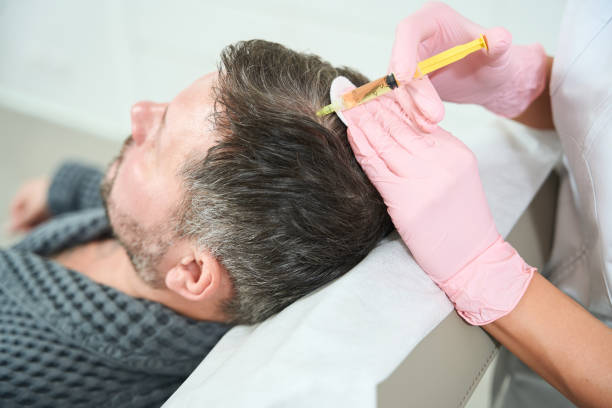
PRP hair treatment involves collecting a small blood sample and processing it to separate platelet-rich plasma from other blood components. This concentrated plasma contains platelets that release growth factors involved in natural tissue repair and cellular activity. The prepared plasma is introduced into selected areas of the scalp to support the environment surrounding hair follicles.
The primary goal of this approach is to encourage healthier follicular activity and support improvements in hair thickness and density. PRP therapy is generally considered a non-surgical hair restoration option. However, its results are not identical for everyone, as individual hair characteristics and the condition of the scalp can influence the overall response.
The Underlying Cause of Hair Loss
One of the most important factors influencing PRP treatment results is the underlying cause of hair loss. Different types of hair loss develop through different biological processes, which means they may respond differently to platelet-rich plasma.
For example, individuals experiencing hereditary hair thinning may have different treatment expectations compared with those experiencing temporary hair shedding. The condition of the hair follicles also plays an important role. Follicles that remain active may have a different response from follicles that have been inactive for an extended period.
Understanding the reason behind hair loss helps establish whether PRP therapy is an appropriate option and what type of improvement may be realistic.
The Condition of Hair Follicles
Hair follicle health is another significant factor that can influence treatment outcomes. PRP therapy aims to support the activity of existing follicles rather than create completely new follicles.
When follicles are still present and capable of producing hair, treatment may help improve their surrounding environment. This can contribute to changes in hair thickness, density, and overall appearance over time.
However, areas where follicles have been permanently damaged or are no longer functioning may not respond in the same way. The extent of existing hair thinning and the condition of the scalp should therefore be considered when evaluating potential results.
Individual Response to Growth Factors
Platelet-rich plasma contains several growth factors associated with cellular communication, tissue repair, and follicular activity. These biological components are central to the treatment approach.
However, the concentration and activity of platelets can differ between individuals. Factors such as general health, biological variation, and the quality of the prepared plasma may influence how the scalp responds.
Some individuals may notice improvements in hair thickness and reduced visible thinning, while others may experience more gradual or limited changes. These differences highlight why PRP treatment outcomes cannot be guaranteed or predicted identically for every individual.
Age and Hair Growth Patterns
Age can also influence the results of PRP hair treatment. Hair growth patterns naturally change over time, and some individuals experience progressive thinning as they get older.
Younger individuals with early-stage hair thinning may have more active follicles available for stimulation. In comparison, people with advanced hair loss may have fewer functioning follicles in the affected areas.
Nevertheless, age alone does not determine treatment suitability. The condition of the scalp, the pattern of hair loss, and individual follicular health are also important considerations when evaluating the potential response.
Consistency of Treatment Sessions
Consistency is an important consideration when evaluating PRP hair restoration results. Hair growth is a gradual biological process, so improvements generally require time rather than appearing immediately after a single session.
PRP treatment plans may involve an initial series of sessions followed by maintenance treatments, depending on individual needs and the assessment of the scalp.
Following an appropriate treatment schedule allows the progress of hair growth to be evaluated over time. The number and frequency of sessions can vary according to the individual’s hair condition and response.
It is also important to understand that treatment schedules should be personalized rather than based on a standard expectation for everyone.
Overall Health and Nutritional Status
An individual’s general health can influence hair growth and the response to hair restoration approaches. Hair follicles depend on adequate nutrients and normal biological functions to maintain healthy growth cycles.
Nutritional factors, including sufficient protein, iron, zinc, and certain vitamins, contribute to normal hair health. When nutritional deficiencies are present, they may affect hair growth independently of PRP treatment.
Certain underlying health conditions and hormonal changes can also contribute to hair thinning. Considering these factors provides a more complete understanding of the individual’s hair concerns and helps establish realistic expectations.
Lifestyle and Daily Habits
Daily habits may influence the condition of the hair and scalp. Sleep patterns, stress levels, dietary balance, and general wellness all contribute to the body’s normal biological processes.
Long-term stress, for example, may affect the natural hair growth cycle and contribute to increased shedding in some individuals. Similarly, an unbalanced diet may affect the availability of nutrients required for healthy hair development.
Maintaining balanced lifestyle habits can support general hair health alongside an appropriate hair restoration plan. However, lifestyle improvements should not be considered a replacement for professional assessment or a guarantee of PRP results.
The Quality of PRP Preparation
The preparation process is another factor that may influence treatment outcomes. PRP is produced by processing a blood sample to concentrate platelets and separate them from other blood components.
The platelet concentration, preparation technique, and handling process can affect the characteristics of the final plasma product. Different preparation methods may produce variations in platelet concentration and biological composition.
The quality and consistency of preparation are therefore important considerations when evaluating a PRP treatment approach. Appropriate clinical procedures help ensure that the prepared plasma is suitable for its intended application.
The Importance of Professional Assessment
A detailed scalp assessment helps identify the pattern and extent of hair loss before treatment begins. It also allows individual hair characteristics and follicular conditions to be evaluated.
During an assessment, factors such as hair density, scalp condition, medical background, and previous hair restoration approaches may be considered. This information helps determine whether PRP therapy is suitable and what improvements may reasonably be expected.
Professional evaluation also makes it easier to monitor changes between sessions. Comparing hair density and thickness over time can provide a clearer picture of the individual’s response.
Realistic Expectations and Treatment Progress
PRP hair treatment does not produce identical results for every individual. Some people may notice gradual improvements in hair thickness, while others may experience changes that are less noticeable.
Hair growth takes place through natural cycles, which means visible improvements can require several months. The condition of the follicles, the extent of thinning, and individual biological responses all influence the timeline.
Having realistic expectations is essential when considering any hair restoration approach. Understanding the gradual nature of hair growth can help individuals evaluate progress more accurately rather than expecting immediate changes.
Conclusion
Several factors influence the results of PRP hair treatment, including the underlying cause of hair loss, follicle health, age, platelet concentration, overall health, and consistency of treatment sessions. Lifestyle habits, nutritional status, and the quality of PRP preparation may also contribute to the overall treatment response. Since every individual has different hair growth patterns and biological characteristics, results can vary considerably. A professional scalp assessment and a personalized treatment plan can help establish realistic expectations and determine whether PRP therapy is an appropriate approach for supporting healthier-looking hair.
Frequently Asked Questions
What is the main factor influencing PRP hair treatment results?
The condition of existing hair follicles is one of the most important factors. Follicles that remain active may respond differently from those that have experienced permanent damage.
How long does it take to notice PRP hair treatment results?
Visible changes generally develop gradually over several months because hair growth follows a natural cycle. The exact timeline varies according to individual hair conditions and biological responses.
Does age affect PRP hair treatment results?
Yes, age can influence hair growth patterns and follicular activity. However, the overall condition of the scalp and the extent of hair thinning are also important considerations.
Can PRP treatment improve hair thickness?
PRP therapy aims to support existing hair follicles and may contribute to improvements in hair thickness and density in suitable individuals. The extent of improvement varies.
Does the number of PRP sessions influence the results?
The treatment schedule can influence the overall approach and progress. Multiple sessions may be recommended depending on individual hair conditions and treatment response.
Can lifestyle habits influence PRP hair treatment outcomes?
Yes, general wellness, balanced nutrition, adequate sleep, and stress management can support normal hair health. These factors may contribute to the overall condition of the hair.
Is PRP hair treatment suitable for advanced hair loss?
Suitability depends on the condition of the remaining hair follicles. Areas with permanently inactive follicles may have limited potential for improvement.
Are PRP hair treatment results the same for everyone?
No, results vary because individuals have different hair loss causes, follicular conditions, platelet characteristics, and biological responses. A personalized assessment helps establish realistic expectations.