


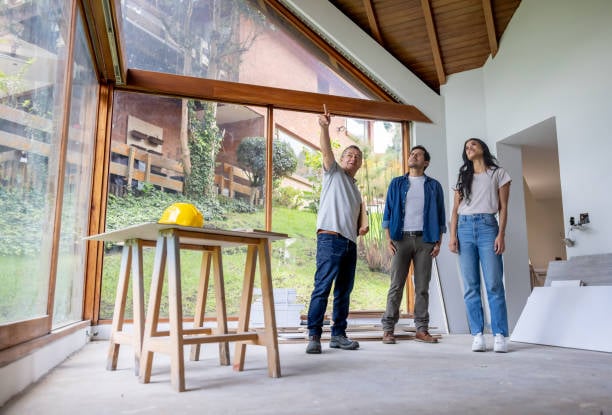
Building a house is one of the biggest things you’ll ever do with your money. Bigger than a wedding, bigger than most cars, and way more stressful than either. You’ve got the lot, or you’re close, and you’ve been scrolling floor plans at midnight. Fine. But before you fall for a shiny model home or a smooth sales pitch, slow down. Choosing between home builders is not like choosing a paint color. A bad pick can cost you six figures and a year of your life. The good news is you can filter out most of the weak ones with the right questions, and you don’t need a construction degree to do it. You just need to ask, listen closely, and not be shy about it.
Why Picking Among Home Builders Gets Messy Fast
The truth is that almost every building company will appear to be perfect on the first call. They’ll have a nice website, they’ll sound very friendly and they’ll have some shiny pictures. It’s only when you start going deeper into your questions that you’ll begin to see the differences between companies. The aim here is to find a company which can provide good answers when you dig a bit deeper. Have a list of questions ready. This is an easy way to ensure that you don’t forget half of what you want to ask whilst being charmed by someone in their sales office. Make a note of all the answers given and compare them at home. You’ll notice who gets defensive – this will tell you a lot!
1. How Long Have You Been Building, and Can I See Finished Work?
Experience matters, but years alone don’t tell the whole story. A contractor with twenty years in business might still be doing sloppy framing. So ask how long they’ve been building in your area specifically, because local soil, weather, and permit offices all behave differently. Then ask to see actual finished houses, not renderings. Better yet, ask to tour one that’s been lived in for a couple of years. New paint hides a lot. A two-year-old house shows you the cracks, the sticking doors, the squeaky floors. If they only want to show you the freshly staged model, that’s a small yellow flag. Not a dealbreaker on its own, but note it.
2. Are You Licensed and Insured, and Can I See the Paperwork?
Don’t just take their word. Ask for the license number and look it up with your state licensing board yourself, it takes ten minutes. Then ask for proof of general liability insurance and workers’ compensation coverage. This one gets skipped constantly and it shouldn’t. If a worker gets hurt on your property and the company isn’t covered, guess who might end up in the middle of that mess. You do. A real professional hands over certificates without a fuss, and often has them ready in a folder. If you get excuses, vague answers, or “I’ll send it later” three times in a row, walk away. There are plenty of others out there.
3. What Exactly Does the Price Include?
This is where budgets quietly fall apart. A quote of for example $350 per foot seems clear until you discover it does not include site preparation, landscaping, permits or the driveway. Ask for a line‑by‑line breakdown. Ask what the allowances are, for flooring, lighting, appliances and countertops because a low allowance means you will pay the difference later when you choose something. Ask how change orders work too. Every build has some, and it’s normal. What matters is whether they’re priced fairly and put in writing before the work happens. Anything verbal is basically a future argument. Also ask what’s not included. Good builders answer that one easily, because they’ve had the conversation a hundred times.

4. Who Will I Actually Be Talking To During the Build?
Plenty of people sign with a friendly salesperson and then never hear from them again. Instead they get passed to a project manager they’ve never met, who’s juggling fifteen other houses. So ask upfront. Who is my day-to-day contact? How quickly do you return calls and texts? Is there a weekly update, or do I have to chase? Some companies use project apps with photos and schedules, which honestly is great. Others rely on a phone and good intentions. Neither is wrong, but you should know which one you’re getting. Communication problems cause more homeowner complaints than bad craftsmanship does, and it’s not even close. Ask for it to be spelled out in the contract if you can.
5. What’s the Realistic Timeline, and What Usually Causes Delays?
Every builder will tell you six to nine months. Some will tell you five. Ask what that number is based on, and then ask a more useful question: what usually slows your projects down? Weather, permit backlogs, supply issues, inspections, subcontractors who don’t show up. An honest answer lists a few of these without much prodding. A suspicious one says “we never have delays.” Everybody has delays, so that’s just not true. Ask how they handle a missed deadline and whether the contract includes any consequences. You probably won’t get penalties, but you should at least get a plan. And keep your own buffer, especially if you’re paying rent or a mortgage while you wait. Add a month or two in your head. You’ll thank yourself later.
6. What Kind of Warranty Do You Offer, and Who Handles Repairs?
Things break after move-in. That’s not pessimism, that’s houses. Nail pops, drywall cracks, a faucet that leaks at month eight. What you want to know is how those get fixed and who comes out to do it. Reputable companies give a one‑year workmanship warranty, a two‑year systems warranty for plumbing, electrical and HVAC and a structural warranty that lasts ten years. Ask to read the document, not just a summary. Look for what’s excluded, because there’s always something. Then ask how a claim works. Do you call a number, email someone, fill out a form? How fast do they respond? A warranty that’s hard to use is just a piece of paper, and you’ve paid for it either way.
7. Can I Talk to Past Clients, Including Unhappy Ones?
References are the single most useful thing you can collect, but only if you do it right. Ask for at least three recent clients, ideally from the last year or two, and actually call them. Ask what went well, what didn’t, and whether they’d hire the same company again. Then ask the builder if they’ve ever had a project go badly and what happened. Their answer says a lot. A person who admits a start and explains the changes made is usually more trustworthy than one who claims a perfect record. Check internet reviews well but read the three‑star reviews, not only the five‑star or one‑star rants. That’s where the honest stuff lives.
Conclusion
Picking among home builders comes down to patience and a little skepticism. I think nobody is trying to insult anyone by asking questions and the good people actually respect it. Ask about experience, licensing, pricing, communication, timelines, warranties and references. Write the answers down. Compare them calmly, away from the sales pressure. If something feels off, trust that feeling, there’s always another contractor. The goal is simple. You want a house you love, a budget that survived, and a builder you’d happily wave to at the grocery store afterward. Do the homework now and the build gets a whole lot smoother.
FAQs
How many builders should I interview before choosing?
Three to five is a good range. Fewer than three and you’ve got nothing to compare, more than five and you’ll start blurring them together.
What’s the biggest red flag when hiring a construction company?
Pressure to sign quickly. Anyone saying a price is “only good today” is selling, not building. A solid company gives you time and a written contract to read.
How do I compare quotes from different home builders fairly?
I wonder how I can compare quotes from home builders fairly? Make sure each quote covers the scope, same allowances, same finishes. A cheaper number often just means less is included so line quotes up item by item.
Should I get a home inspection even on new construction?
Yes. An independent inspection at the framing stage and again before closing catches problems while they’re still cheap to fix. Most good builders don’t mind at all.