





It’s 8 p.m. in July. The fan stops, the router blinks off, and your phone shows 12% battery. If you live in Pakistan, you know this moment well. Power cuts are an unwelcome part of daily life, and the unit price on your bill keeps climbing. The good news is that you no longer have to wait for the grid to improve. Battery Energy Storage in Pakistan is becoming the practical answer for homes, shops, factories, and farms that want steady electricity on their own terms.
Why Load Shedding Still Hurts Pakistani Homes and Businesses
Outages vary by city, season, and feeder, but the pattern is familiar. Demand spikes in Battery Energy Storage in Pakistan, supply falls short, and consumers pay the price in lost comfort and lost income.
The hidden cost for industries
For a textile unit in Faisalabad or a packaging plant in Lahore, a sudden shutdown means more than a few dark minutes. Machines restart slowly, raw material gets wasted, and delivery deadlines slip. Many businesses rely on diesel generators, but fuel prices and maintenance costs make them an expensive habit.
The everyday burden on households
At home, outages disrupt study hours, work-from-home schedules, and food storage. Small UPS units and lead-acid batteries help for an hour or two, then fade. They also need frequent replacement, which adds up over the years.
How Battery Energy Storage Pakistan Actually Works
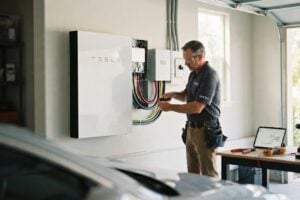
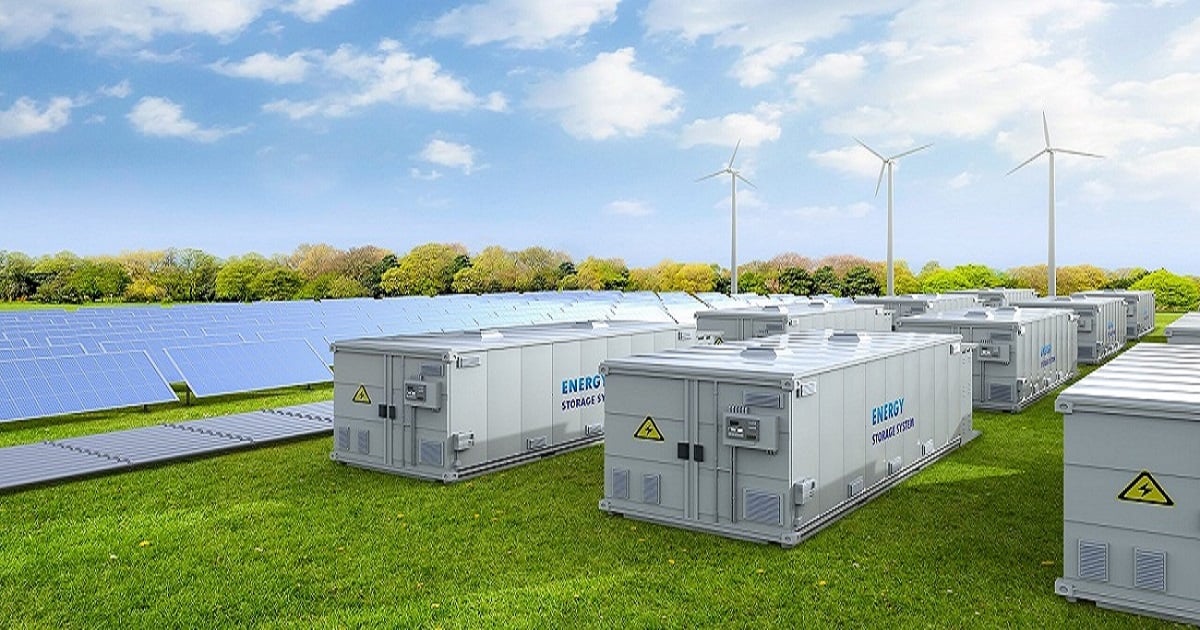
A battery energy storage system (BESS) stores electricity when it’s available and releases it when you need it. It charges from the grid, from solar panels, or from both. When the grid fails, an inverter switches your load to the battery in milliseconds, so lights and computers keep running without a flicker.
Pairing solar panels with batteries
Solar alone only works while the sun shines. Add a battery and the surplus midday energy is saved for the evening peak and the night. This setup is called a hybrid solar system, and it is the most popular choice among Pakistani homeowners today. It also reduces your dependence on the grid at the most expensive hours of the day.
Lithium-ion vs. lead-acid: what to choose
Lead-acid batteries cost less upfront, but they last fewer cycles, need regular maintenance, and lose capacity faster. Lithium iron phosphate (LiFePO4) batteries cost more initially but deliver a longer lifespan, deeper usable discharge, and a smaller footprint. Over five to ten years, lithium usually works out cheaper per unit of energy delivered.
Key Benefits of Battery Energy Storage Pakistan
Why are more families and companies switching to energy storage solutions? Here are the benefits that matter most.
- Uninterrupted backup power: Essential appliances keep running during outages, from fridges to servers.
- Lower electricity bills: Store cheap or solar energy and use it during peak-tariff hours.
- Reduced diesel dependency: Cut fuel costs, noise, and fumes from generators.
- Equipment protection: Stable output protects sensitive machinery and electronics from voltage swings.
- Energy independence: You control your own supply instead of relying on a stretched national grid.
Real-world example
Picture a small clinic in Multan running vaccines and diagnostic machines. A two-hour outage could spoil stock worth thousands of rupees. With a properly sized lithium battery bank and solar panels on the roof, the clinic keeps its cold chain intact and its patients served, with no generator needed.
Smart Ways to Size and Choose Your System
Buying a battery is not like buying a mobile phone. The wrong size wastes money, and the wrong brand can become a headache. Keep these points in mind:
- Calculate your load first. List every appliance you want to run during an outage, with its wattage and daily hours.
- Decide your backup duration. Do you need two hours of cover or a full night?
- Check battery chemistry and warranty. Look for clear cycle-life figures and a written warranty.
- Match the inverter carefully. An undersized inverter will trip under heavy loads like ACs and water pumps.
- Plan for Pakistan’s climate. High temperatures reduce battery life, so ventilation and quality thermal management matter.
Why Work With Alpine Industrial Con
A battery system is only as good as its design and installation. Alpine Industrial Con helps homeowners, commercial users, and industrial clients plan power backup that fits their actual consumption rather than a generic package. From load assessment and system design to installation and after-sales support, the focus is on reliable performance and honest guidance. When you work with a local team that understands Pakistan’s grid conditions, you avoid the common mistakes of oversizing, undersizing, and poor-quality components.
Key Insights and Practical Tips
- Start with efficiency. Switching to inverter ACs and LED lighting shrinks the battery size you need, which lowers your total cost.
- Don’t chase the cheapest quote. A low price often hides weak cells, thin warranties, or missing safety certifications.
- Prioritise essential circuits. Backing up fans, lights, internet, and a fridge is far cheaper than backing up the whole building.
- Monitor your system. Modern units include apps that track charge, consumption, and faults, so you can catch problems early.
- Keep it cool and dry. Install batteries in a shaded, ventilated spot to protect their lifespan.
- Plan for expansion. Choose a modular system so you can add capacity as your needs grow.
Load shedding has tested the patience of Pakistani consumers for years, but waiting for perfect grid reliability is no longer the only option. Battery Energy Storage in Pakistan gives you steady power, smaller bills, and real independence, whether you run a household, a workshop, or a large factory. The key is to size the system correctly, choose quality components, and partner with an experienced provider. Alpine Industrial Con is ready to help you design a solution that keeps your lights on and your business moving. Reach out today and take the first step toward a power cut-free future.
Frequently Asked Questions
1. How long can a home battery system run during an outage?
It depends on battery capacity and your connected load. A typical home setup can run lights, fans, Wi-Fi, and a fridge for 6 to 10 hours. Adding heavy loads like air conditioners shortens that time considerably.
2. Is a lithium battery better than a lead-acid battery for Pakistani conditions?
In most cases, yes. Lithium batteries handle heat better, last more cycles, and need almost no maintenance. Lead-acid is cheaper at the start but usually costs more over its shorter lifetime.
3. Can I use a battery system without solar panels?
Yes. A battery can charge from the grid whenever electricity is available and supply power during outages. However, pairing it with solar lets you recharge for free and cut your bills further.
4. How long do commercial battery storage systems last?
Quality lithium iron phosphate systems typically last 8 to 15 years, depending on usage, temperature, and depth of discharge. Always check the manufacturer’s cycle rating and warranty terms.
5. How do I know what size system I need?
A professional load assessment is the most reliable method. Alpine Industrial Con can review your appliances, usage hours, and backup goals, then recommend a right-sized system so you don’t overpay or run short.