






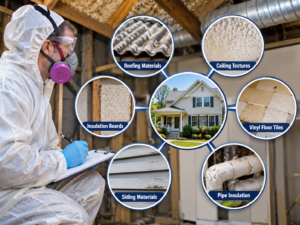
Common places include old floor tile and adhesive, pipe and boiler insulation, textured ceilings, siding, roofing materials, and attic insulation. At Boyle Contracting, asbestos removal in Sayville, NY means controlled work that takes asbestos out of a home, or manages it safely when removal is not needed. Asbestos is a mineral fiber that was once added to many building products.
Homeowners, landlords, and buyers can use this advice when an older room is being repaired or evaluated. It does not replace a project-specific inspection, and it is never a reason to disturb a material just to identify it. Sayville, NY homes often show us how several renovation layers can hide the original building products.
Several practical details can shape the decision before anyone disturbs a suspect material:
- Older homes can contain several generations of flooring over one original adhesive layer.
- Mechanical rooms deserve separate notes because insulation products change along pipes, boilers, and ducts.
- Work boundaries include the route workers use, not just the room named in the renovation plan.
- Final records identify the checked area for future owners and contractors.
Look Above, Below, and Around Older Rooms
Older Sayville, NY homes often contain suspect asbestos-containing materials in places people overlook: floor layers, heating systems, textured ceilings, attic insulation, siding, and roofing components. Location alone cannot confirm asbestos. Each product needs a condition check and a plan for any cutting, sanding, scraping, drilling, or removal nearby.
Vinyl floor tile, sheet flooring backing, and dark adhesive may sit beneath newer flooring. Pipe insulation around steam lines, boilers, ducts, and elbows is another concern, especially in unfinished basements. Textured ceiling coatings, plaster joint compound, cement siding, roofing felt, and window caulk also deserve evaluation when renovation will disturb them. We often find the heating room matters most, because a furnace change can leave original insulation behind.
Exterior products deserve attention during siding, roof, or window work. Cement panels and older flashing can become a concern when fasteners or surrounding trim must be removed.
How Do We Know a Material Needs Testing?
Visual clues cannot prove that a building product contains asbestos. An asbestos inspection combines the planned work, product condition, building history, and qualified sampling when needed. Testing matters before a project will disturb a suspect surface or insulation, or expose a hidden layer.
You can safely start by photographing rooms from the doorway and writing down where new work is planned. Do not scrape, drill, sand, or break a suspect product to make testing easier. Our crew asks whether a wall, ceiling, floor, pipe, or exterior surface will be opened, because the same material needs a different decision when it is left alone. A laboratory result identifies a sample; it does not by itself decide removal.
- Work plan: name every surface that the renovation will cut, remove, cover, or leave untouched.
- Material condition: note visible damage, water exposure, peeling, cracking, or loose sections without handling them.
- Access: record basements, stairs, shared halls, attached garages, and occupied rooms near the work.
Choose the Right Removal Approach
Removal is one option for a damaged product or a planned renovation, but it is not the automatic answer for every asbestos concern. With asbestos removal in Sayville, NY, a sound material outside the work zone is often managed in place, while a surface that must be cut or demolished needs a controlled abatement plan. Condition and future work decide the route.
Non-friable asbestos is bonded into a solid product such as a tile or cement panel. Friable asbestos is softer or already crumbling, so disturbing it carries a greater chance of releasing fibers. An intact floor tile outside the renovation area may be left alone, while damaged pipe insulation beside planned plumbing work points toward controlled removal. We would rather leave sound material in place than create extra disturbance for appearance alone.
Ask any contractor you hire, “What happens if testing finds asbestos in a material we planned to keep?” A good answer names the stop-work point, the revised boundary, the disposal plan, and the person responsible for the change.
Prepare the Home Before Work Begins
Before removal starts, the work area is set up so fibers do not travel into occupied rooms. Preparation includes agreeing on boundaries, moving belongings, controlling air movement, and arranging a clean route for workers and waste. Containment means physical barriers and controlled entry, not a loose sheet hung on a doorway.
The order matters. The provider confirms which rooms remain open, protects surfaces outside the work zone, and explains where occupants wait. Heating and cooling equipment may need a planned response because moving air can carry dust beyond the room. The shortest path from the work area to the exterior is not always the safest one, and the turn from a basement stair to a narrow hall often dictates the route before room size does.
- The work plan identifies rooms that stay open and items that stay outside.
- The contractor sets up containment and a clean entry point before disturbing material.
- Occupants and pets stay away until the provider releases the area.
Verify the Area Before Normal Use
A clean-looking room is not proof that an asbestos job is finished. When the work plan calls for air clearance testing, the result adds evidence about airborne fibers in the controlled area, which visual cleanup alone cannot answer. A cleaned basement work zone also does not certify an untouched attic.
One common myth is that a sweep with a household vacuum settles everything. Fine dust can collect at barrier edges, floor seams, or around fixtures that were moved, which is why cleanup and verification are separate steps. Our team treats the handoff as a record of the area checked, the work completed, and any limits that remain.
The handoff paperwork should identify the work area, date, and any test result tied to that area. Keep it with your renovation records, along with any professional asbestos testing results from before the job, so future contractors know which materials were checked.
Questions Homeowners Ask Before Disturbing Older Materials
The answers address timing, safety, testing, and hiring decisions that come up before older building materials are disturbed.
When should asbestos testing happen during a remodel?
Testing belongs before demolition, sanding, or cutting begins. Schedule it while the remodel is still on paper, because opening a wall first can stop work and force a new plan.
Can I remove suspected asbestos myself?
No. Do not scrape, break, sand, or bag suspected material yourself. DIY disturbance can release fibers and leaves no controlled work record, so use a qualified provider when renovation makes the material unavoidable.
Do I need an asbestos inspection before selling a home?
Not every home sale requires an inspection just because the house is older. A buyer request, renovation scope, lender condition, or local rule can change that answer, so check transaction requirements early.
Is it safe to stay home during asbestos work?
Staying home is safe only when the provider confirms you can remain outside the contained work area. Occupants, pets, and visitors need to follow the written access plan, especially during HVAC shutdowns.
What is the difference between friable and non-friable asbestos?
Friable material is loose, crumbly, or easily reduced to dust, while bonded material stays in a solid product. Damage, age, and planned work change how either type is managed.
How do I know if attic insulation contains asbestos?
Sight cannot confirm attic insulation content. Loose-fill insulation has several appearances, and vermiculite-like material is not proof by itself; qualified sampling and laboratory analysis provide the answer.
What should I ask an asbestos contractor before work starts?
Ask who defines the work boundary, who controls access, and what document explains release of the area. A good answer names the rooms covered and the person responsible for cleanup.
What if asbestos is found after demolition begins?
Stop the activity and keep people away from the area until a qualified professional assesses the material. Do not sweep or vacuum suspected dust with household equipment; the revised plan must address the newly exposed surface.
Is it true that every old floor tile contains asbestos?
No. Some older tiles contain asbestos and others do not, and color and size are unreliable clues. A tile that looks familiar still needs a project-specific decision before flooring is removed or damaged.
Talk Through the Next Step for an Older Home
An attached garage, crawl space, or shared mechanical chase can connect spaces that look separate, so mention those features before anyone sets a work boundary. A prior inspection report is useful only when it matches the current materials and planned disturbance. Have these details ready:
- Photos taken from doorways, plus the room names
- The planned renovation and the surfaces it will disturb
- Occupancy, pets, access limits, and preferred timing
If you want to talk through an older property in Sayville, NY, Boyle Contracting can explain your options and the information needed before scheduling. Call (631) 424-0007.