




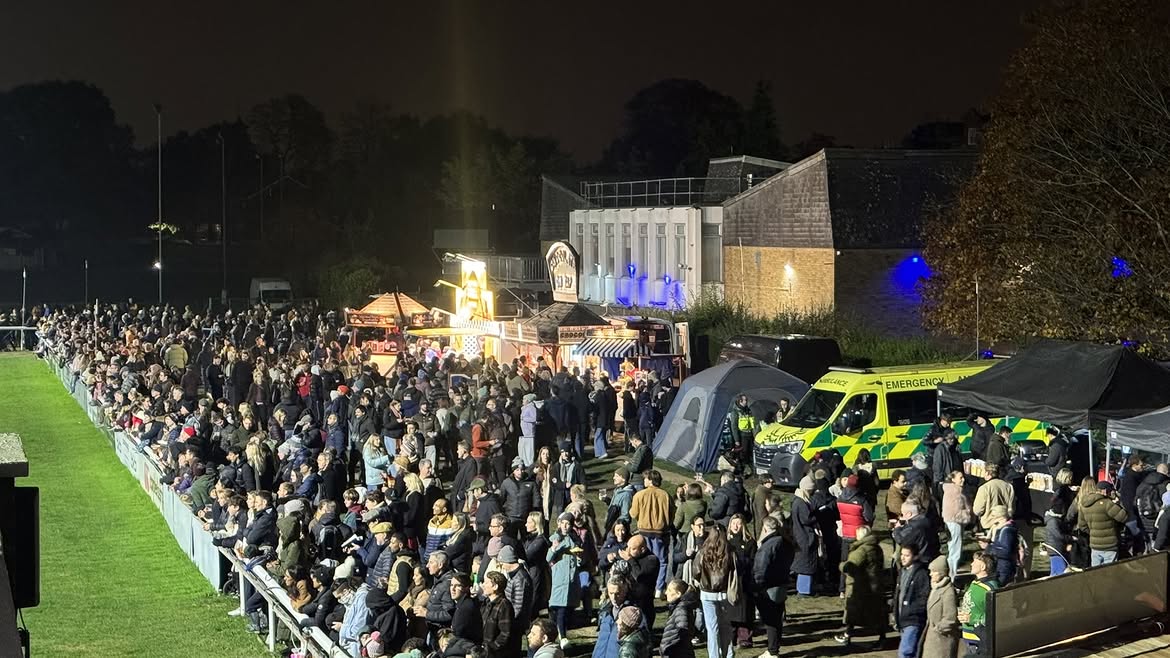
Guests rarely think about safety when they arrive at an event. They notice the decorations, the music, the food and the atmosphere. Behind the scenes, though, the best organisers are thinking about something far more important: what happens if someone becomes unwell? A guest might collapse in a crowded hall, a child might fall from a stage step, or an older relative might struggle with the heat. Event medical services exist to make sure that none of these moments turns into a crisis. Having trained professionals on site means that help is seconds away instead of minutes, and that is what keeping every guest safe really looks like.
More Than Just a First Aid Box
A professional medical service is much more than a first aid box on a table. A proper team usually includes first aiders, event medics, nurses and paramedics, supported by defibrillators, oxygen, trauma equipment and a private treatment area. They arrive early, walk the venue, check access routes for ambulances and agree an emergency plan with the organiser. During the event they stay alert, treat minor problems quickly and keep a close eye on anyone who may be at risk. If a patient needs hospital care, they stabilise them and hand over clearly to the ambulance crew.
Event Medical Cover Across London Boroughs
London is full of events, and each borough has its own rhythm. In Croydon, large community festivals, sports days and concerts draw big crowds into busy public spaces, so medical teams need to be mobile and well coordinated. Ealing hosts cultural celebrations, weddings and open-air gatherings where families of every age come together, while Enfield sees a steady mix of school fairs, charity runs and banquet hall events that all benefit from reliable on-site care.
Across the east and south of the city, Greenwich is known for large riverside and parkland events, where long distances between the crowd and the road can slow down emergency access. A medical team already positioned inside the site removes that delay. Hackney is full of warehouse parties, markets and creative festivals in tight urban venues, where heat, noise and alcohol can lead to sudden illness. In Hammersmith and Fulham, concerts, sporting fixtures and community days create heavy footfall, so a team that can move quickly through dense crowds is essential.
Further north and west, Haringey and Harrow host many faith gatherings, weddings and cultural events that often last for hours and include guests of all ages. Medical cover for these occasions needs to be calm, respectful and flexible. Havering and Hillingdon offer larger open spaces and country-style venues, from agricultural shows to charity fun days, where the nearest hospital may be some distance away. In these settings, an experienced on-site team gives organisers real peace of mind.
Hounslow and Islington see a constant flow of corporate conferences, product launches, exhibitions and live performances. Delegates often travel long distances and work long hours, which can lead to dizziness, dehydration or stress-related illness. Kensington and Chelsea are known for galas, private parties and high-profile receptions, where discretion matters as much as skill. A good medical provider blends into the occasion, stays professional and responds without drawing attention away from the guests.
Kingston upon Thames is popular for riverside festivals, regattas and community carnivals, which bring their own risks around water, weather and crowd flow. Lambeth hosts everything from street parties to large cultural events, and Lewisham is home to busy markets, sports tournaments and local celebrations. All three boroughs show why a one-size-fits-all approach does not work. The right provider studies the event, the venue and the audience before suggesting a plan.
Why Risk Assessment Comes First
That planning process begins with a risk assessment. The provider looks at expected attendance, the age range of guests, the type of activities, alcohol availability, weather conditions, the layout of the site and the length of the programme. A small wedding with eighty guests needs a very different team from a music festival or a mass-participation run. Too little cover leaves people exposed, while too much wastes budget, so the goal is always a practical and proportionate plan. Organisers who share their schedule, site map and special activities early give the medical team the best chance to prepare properly.
Communication and Choosing the Right Provider
Communication on the day is just as important as clinical skill. Medical staff should work closely with security teams, stewards and event managers so that everyone knows where the treatment area is, how to call for help and how an ambulance will reach the patient. Clear radio procedures, marked routes and a simple emergency plan keep the response smooth even when the situation is stressful. It is also worth checking that your provider has valid insurance, registered clinicians, up-to-date equipment and a good record with events similar to yours.
Protecting Your Event’s Reputation
There is a reputation benefit too. Guests, sponsors and partners remember how an event handled a problem. When someone is treated quickly, kindly and professionally, it shows that the organiser truly cares about people. That impression often matters more than any decoration or entertainment, and it encourages guests to return next time.
Final Thoughts
Safety should never be treated as an optional extra. Whether your event takes place in a quiet community hall or a large open-air venue anywhere across London, trusted event medical services allow you to focus on the experience while skilled professionals protect your guests. Plan early, choose an experienced team and make safety the first thing you organise, so that everyone goes home happy, healthy and safe.