




Streaming has changed how people watch films, series, news, and themed television channels. Alongside familiar subscription platforms, viewers can now find services that provide scheduled programming without a monthly fee. This model is known as FAST TV, short for free ad-supported streaming television. It combines the channel-based experience of traditional television with internet delivery. Instead of paying for access, viewers watch advertising that helps fund the service. For households in Sweden comparing entertainment options, understanding this model can make it easier to decide whether free streaming channels complement or replace parts of a paid subscription lineup.
What FAST TV Actually Means
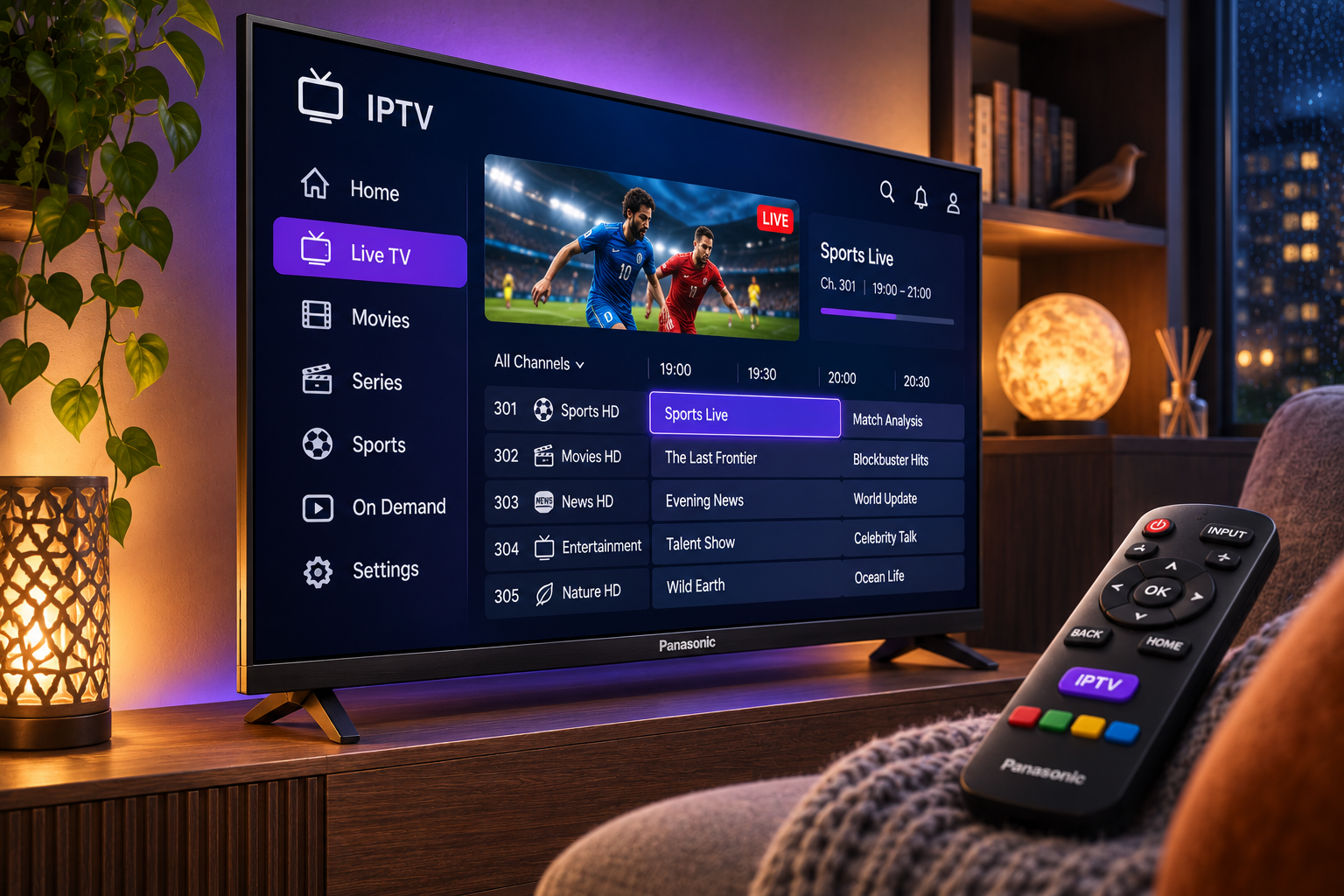
FAST TV provides linear channels through an internet connection. A channel follows a schedule, so a film, series episode, documentary, or themed programme is broadcast at a particular time. Viewers choose a channel and join whatever is currently showing, rather than selecting every title from an on-demand library.
The service is free to watch because advertising pays for much of its operation. Commercial breaks may appear during programmes, much like they do on conventional television. Some platforms also offer programme guides, genre-based channels, and a mixture of live-style streams and on-demand titles. However, the defining feature of FAST is its scheduled, channel-based format.
How FAST TV Fits Into the Wider Digital Television Landscape
The growth of digital television has introduced several ways to distribute video, including internet-delivered channels, on-demand libraries, and hybrid services. FAST belongs to this wider shift, but it has a distinct business model: viewers do not pay a subscription for the channels, and advertisers fund the service in exchange for access to an audience.
This distinction matters because not every free streaming service is FAST. A platform that lets viewers choose a film whenever they want and inserts adverts is generally described as advertising-supported video on demand, or AVOD. FAST, by contrast, is organised around channels and schedules. Some services combine both formats, which can make the boundaries less obvious when browsing a television interface.
FAST TV Compared With Paid Streaming
The clearest difference is how viewers pay and choose what to watch. Subscription video-on-demand services usually charge a recurring fee for access to a catalogue. Users can browse available titles and start most programmes whenever they like. FAST services remove the subscription charge, but viewers accept advertising and a more traditional channel schedule.
There are practical trade-offs:
- Cost: FAST channels are generally available without a monthly subscription. Paid services charge a recurring fee, although some now offer cheaper plans that include advertising.
- Control: Paid on-demand platforms usually offer more control over the start time and selection of a particular title. FAST viewers choose a channel and watch its current programme.
- Advertising: FAST relies on commercial breaks. Paid platforms vary, with some offering ad-free subscriptions and others mixing adverts with paid access.
- Content selection: Subscription libraries may feature original productions and large on-demand catalogues. FAST channel lineups often focus on genres, older programmes, specific themes, or continuous programming.
- Availability: Both models depend on licensing agreements, device support, and regional rights. A channel or title available in one country may not appear in another.
The choice is not necessarily one or the other. A household might use paid streaming for specific series and films while turning to FAST channels for casual viewing when there is no particular programme in mind.
What Swedish Viewers Should Check
FAST services are delivered over the internet, so a stable broadband or Wi-Fi connection is important. Picture quality may adjust according to connection speed, device capability, and the service’s streaming settings. Users should also confirm that an app is compatible with their smart TV, streaming device, or other screen.
In Sweden, regional availability deserves particular attention. Channel lineups and content rights can differ between countries, even when a service uses the same name internationally. Before relying on a FAST platform, check whether it offers Swedish-language programming, subtitles, accessible programme information, and content that is licensed for viewing in Sweden. Do not assume that a channel listed on an international website will necessarily be available locally.
It is also worth reviewing the privacy settings and advertising options. Free services may use account details, device information, or viewing activity to support advertising and recommendations. The exact practices differ by provider, so reading the privacy notice and checking available controls can help users understand how their data is handled.
Is FAST TV Better Than a Paid Subscription?
FAST TV can suit viewers who want to reduce recurring entertainment costs, discover unfamiliar programmes, or enjoy a channel-based experience without choosing every title. It may be less suitable for people who prefer uninterrupted viewing, specific series on demand, or precise control over playback.
Paid streaming remains useful when exclusive titles, large searchable libraries, offline viewing, or fewer adverts matter more than the monthly cost. A free service can also have a narrower selection or less predictable scheduling, depending on its channel partners and licensing arrangements.
A sensible way to compare services is to list the programmes and features a household actually uses. Consider how often viewers watch scheduled channels, whether advertisements are acceptable, and which language and accessibility options are needed. This makes it easier to judge the value of a subscription against a free, ad-supported alternative.
Conclusion
FAST TV brings scheduled television channels to internet-connected screens without requiring viewers to pay a monthly subscription. Its advertising-funded model separates it from conventional paid streaming, while its linear schedules distinguish it from free on-demand platforms. For viewers in Sweden, the most important considerations are local channel availability, language support, advertising, and device compatibility. FAST can be a useful addition to a household’s viewing choices, particularly when used alongside paid services rather than treated as a complete replacement.