





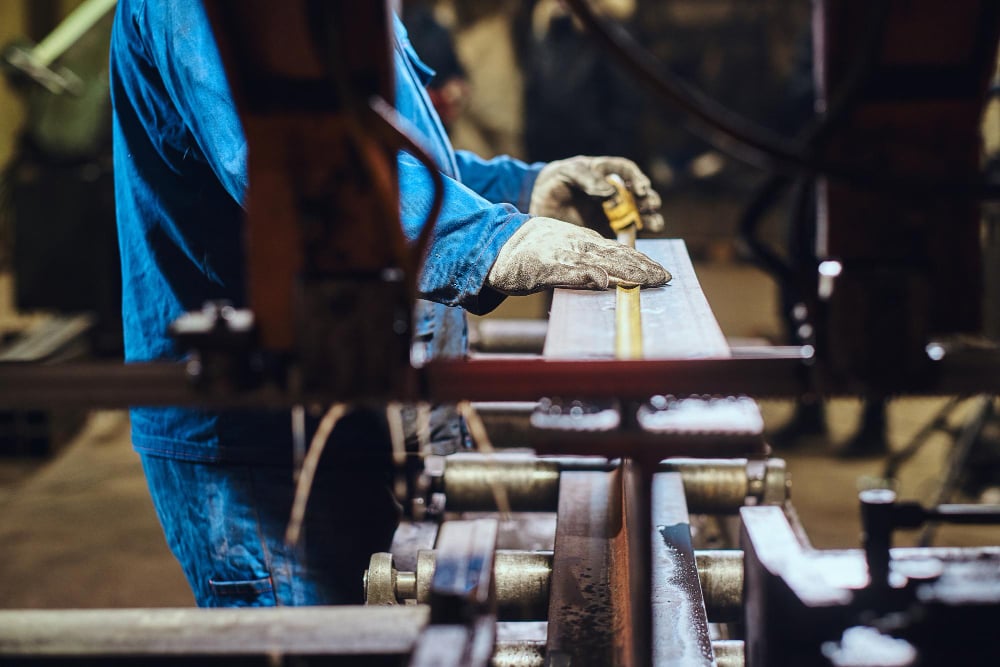
Starting a construction project needs clear preparation and strict spending control. You can find affordable construction supplies in the Philippines by meticulously comparing your options. Being practical with your orders keeps your expenses where they need to be.
Evaluate Your Material Needs Early
Start by listing every item required for your project. A detailed list prevents last-minute purchases at higher prices. This step helps you avoid buying unnecessary extras.
Create a Detailed Inventory List
Write down specific quantities for each material type. Include exact measurements to prevent waste during cutting. Accurate numbers help suppliers give you precise quotes.
Identify Standard versus Custom Sizes
Standard sizes often cost less than custom orders. Check if standard dimensions fit your design plans. Adjusting designs slightly can lead to significant savings.
Compare Suppliers Before Committing
Do not settle for the first quote you receive. Contact multiple suppliers to gauge current market rates. This comparison reveals fair pricing for your region.
Request Quotes from Multiple Sources
Ask for written quotes from at least three vendors. Ensure each quote includes delivery fees and taxes. Hidden costs can inflate your total expenditure significantly.
Check Supplier Reputation and Reliability
Look for reviews from previous clients online. Reliable suppliers deliver goods on time and in good condition. Late deliveries can stall your entire construction schedule.
Understand Logistics and Delivery Costs
Transportation adds a significant portion to material costs. Plan your delivery schedule to minimize trip frequency. Bulk deliveries often reduce per-unit shipping charges.
Consolidate Orders for Better Rates
Group smaller orders into larger shipments when possible. Fewer trips mean lower fuel and labor costs. Coordinate with your supplier to optimize load capacity.
Choose Strategic Delivery Times
Schedule deliveries during off-peak hours if available. Some warehouses offer discounts for flexible timing. Avoid rush periods when demand drives up prices.
Prioritize Quality Over Lowest Price
Cheap materials may fail sooner than expected. Poor quality leads to costly repairs and replacements. Investing in durability saves money in the long run.
Inspect Materials Upon Arrival
Check every shipment for damage or defects immediately. Report issues to the supplier before signing off. Early detection prevents disputes later in the process.
Verify Compliance with Standards
Ask for proof of quality standards compliance. Certified materials meet safety and performance requirements. This verification protects your project from structural failures.
Manage Waste and Excess Inventory
Unused materials represent wasted money and storage space. Plan your usage to minimize leftover scraps. Efficient use of resources lowers overall project costs.
Implement Strict Site Control Measures
Monitor who accesses stored materials on site. Theft and loss can drain your budget quickly. Secure storage areas prevent unauthorized removal of goods.
Recycle or Sell Unused Items
Sell excess materials to other builders or recyclers. Recovering some cost is better than total loss. Local markets often have demand for surplus steel.
Negotiate Payment Terms Wisely
Cash flow management is vital for large projects. Negotiate payment schedules that match your income stream. Favorable terms reduce financial pressure during construction.
Ask for Volume Discounts
Suppliers often lower prices for bulk purchases. Combine orders with other projects if possible. Larger volumes give you leverage in price negotiations.
Consider Long-Term Supplier Relationships
Build trust with one or two main suppliers. Loyal customers often receive better service and rates. Consistent business encourages suppliers to offer perks.
Analyze Total Cost of Ownership
Looking only at the purchase price gives an incomplete picture. You must account for storage, handling, and potential waste. These hidden factors impact your final budget significantly.
Calculate Storage and Handling Expenses
Storing materials requires space and security measures. Renting extra warehouse space adds to your monthly overhead. Factor these recurring costs into your initial material budget.
Assess Installation Efficiency and Labor
Some materials install faster than others do. Faster installation reduces labor hours and associated wages. Choose products that your crew can handle efficiently without special tools.
Mitigate Supply Chain Risks
Global events can disrupt material availability and pricing. Having a backup plan protects your project timeline. Diversify your sources to maintain steady progress on site.
Develop Alternative Sourcing Options
Identify secondary suppliers for critical materials early. Keep their contact information ready for emergencies. Switching sources quickly prevents long delays during shortages.
Monitor Market Trends and Prices
Steel and cement prices fluctuate based on global demand. Track these trends to buy during price dips. Timing your purchases can result in substantial cost savings.
Optimize Material Specifications
Review your engineering specs for potential adjustments. Sometimes high-grade materials are specified where lower grades suffice. Consult with your engineer to validate these changes safely.
Review Engineering Requirements Carefully
Ensure that specified materials match actual load needs. Over-specifying leads to unnecessary spending on strength. Right-sizing materials maintain safety while cutting costs.
Substitute with Equivalent Alternatives
Find brands that offer similar performance at lower costs. Test samples before committing to large orders. Equivalent alternatives can provide the same reliability for less money.
Key Takeaway
Saving money requires diligence in sourcing and planning. You secure the best value for construction supplies in the Philippines through careful comparison. Focus on quality, logistics, and strong supplier relationships.