





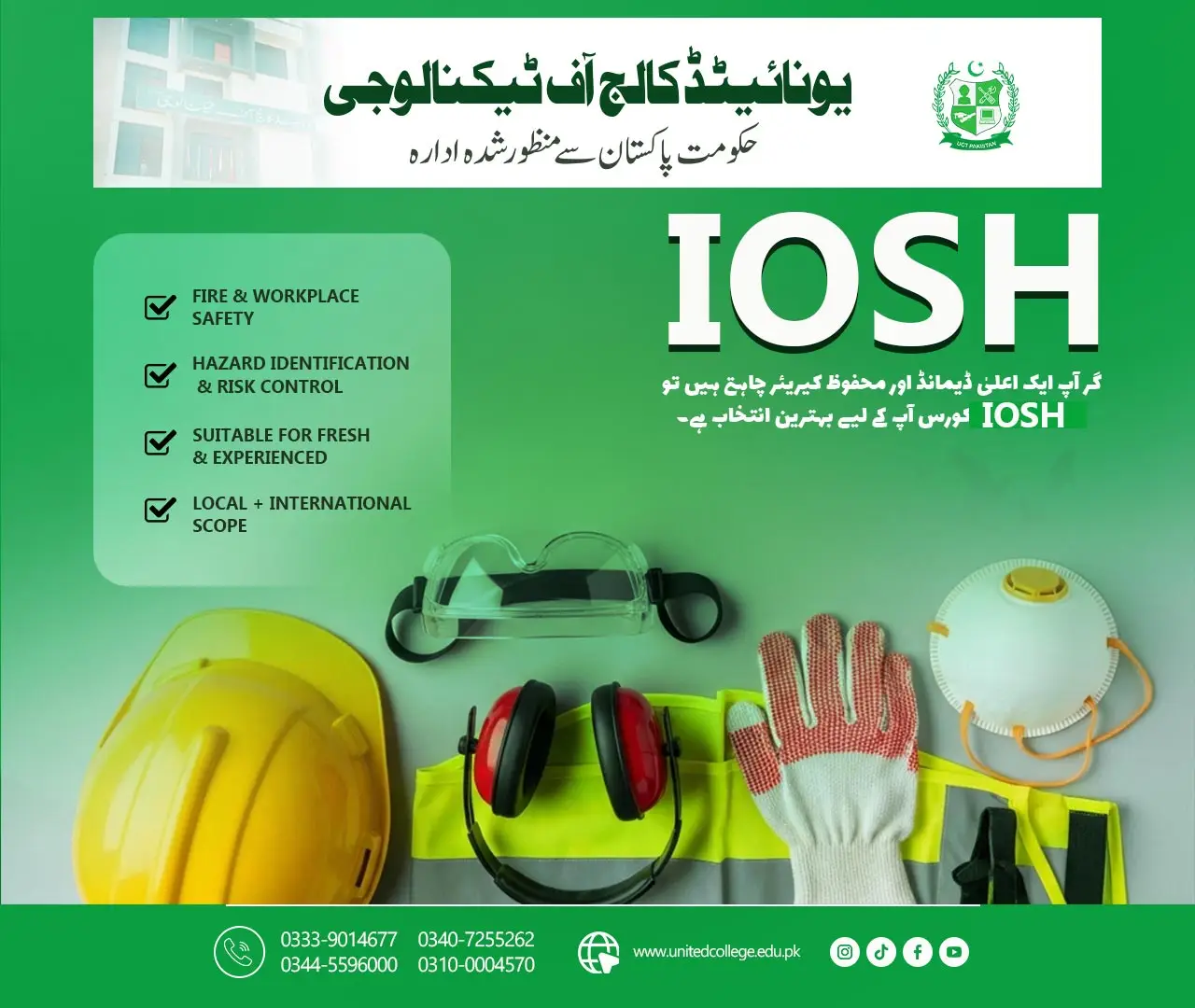
Workplace safety is essential in every industry. From construction sites and factories to offices and warehouses, employers need trained professionals who understand how to identify hazards and prevent accidents. If you want to develop safety knowledge and improve your professional skills, an IOSH course can be a useful starting point.
For beginners, understanding workplace health and safety may seem complicated. However, the right training can make these concepts easier to understand and apply in everyday working environments. This guide explains what IOSH training involves, who can benefit from it, what students learn, and how it can support career development.
What Is an IOSH Course?
An IOSH course is a health and safety training program associated with the Institution of Occupational Safety and Health (IOSH), a professional organization based in the United Kingdom. Its training programs help individuals understand workplace risks, safety responsibilities, and accident prevention.
An IOSH course can be suitable for beginners, supervisors, team leaders, and employees who want to improve their understanding of occupational safety. The specific content depends on the course selected.
Two commonly known IOSH training options are Working Safely and Managing Safely. Working Safely is designed for employees who need a basic understanding of workplace safety, while Managing Safely is intended for managers and supervisors who have safety responsibilities.
Before enrolling, students should check the course level, learning objectives, assessment requirements, and recognition of the training provider.
Why Should Beginners Choose IOSH Training?
Starting a career in health and safety requires a clear understanding of workplace hazards and preventive measures. An IOSH course introduces these concepts in a structured way, helping learners build a foundation before moving toward more advanced training.
One important benefit is practical awareness. Students learn that workplace safety involves more than following rules. It also requires identifying potential problems, communicating concerns, and taking suitable action to reduce risks.
Another benefit is the ability to understand safety responsibilities. Employees need to recognize hazards, while supervisors and managers must understand how their decisions can affect the safety of a team.
For beginners, IOSH training can also provide a useful introduction to occupational health and safety terminology. This knowledge can help learners understand workplace procedures and communicate more effectively with safety professionals.
What Will You Learn in an IOSH Course?
The topics covered depend on the specific training program. However, introductory and management-focused IOSH courses generally address important workplace safety principles.
1. Identifying Workplace Hazards
A hazard is anything that has the potential to cause harm. Examples include slippery floors, unsafe equipment, poor storage practices, and exposure to harmful substances.
Students learn how to recognize these hazards and understand why identifying problems early is important.
2. Understanding Risk Assessment
Risk assessment involves identifying hazards, considering who might be affected, and evaluating the appropriate control measures.
An IOSH course introduces learners to the importance of assessing risks before accidents occur. This knowledge can be useful in construction, manufacturing, offices, and other working environments.
3. Preventing Workplace Accidents
Accidents can result from unsafe conditions, unsuitable working practices, inadequate training, or a combination of factors.
Training helps learners understand the importance of following procedures, using equipment correctly, maintaining clear work areas, and reporting unsafe conditions.
4. Understanding Health and Safety Responsibilities
Workplace safety requires cooperation between employers, managers, supervisors, and employees. Each person has responsibilities that depend on their role and applicable workplace requirements.
Learners explore the importance of communication, reporting procedures, and following established safety policies.
5. Improving Safety Communication
Clear communication helps prevent misunderstandings and unsafe decisions. Employees should know how to report hazards and where to find relevant safety information.
Management-focused training may also cover how to communicate safety expectations, encourage safer working practices, and monitor performance.
Who Can Enroll in an IOSH Course?
An IOSH course may be appropriate for people from different educational and professional backgrounds. The most suitable option depends on the learner’s responsibilities and career goals.
Students and beginners can consider introductory safety training to develop basic knowledge before entering the workplace.
Employees can use safety training to improve their understanding of hazards and workplace procedures.
Supervisors and team leaders may benefit from management-focused training because they often help organize work, communicate instructions, and monitor working practices.
Business owners and managers can also benefit from learning how to identify risks and encourage a positive safety culture.
People interested in construction, engineering, manufacturing, logistics, and facilities management may find workplace safety knowledge particularly relevant.
How Long Does an IOSH Course Take?
The duration depends on the training program and the provider’s schedule.
IOSH Working Safely is commonly delivered as a one-day course, while IOSH Managing Safely is commonly delivered over three days. Actual schedules may vary according to the provider and delivery method.
Some providers offer classroom training, while others provide online or blended learning options. Before registering, confirm the course duration, timetable, assessment arrangements, and total fees.
Beginners should choose a schedule that gives them enough time to understand the material rather than selecting a course based only on its length.
What Are the Career Benefits of an IOSH Course?
Workplace safety knowledge can be useful across many industries. Employers need people who understand safety procedures, recognize hazards, and communicate risks appropriately.
Completing an IOSH course may strengthen a learner’s professional profile by demonstrating training in occupational health and safety. It can also help existing employees understand their responsibilities more clearly.
However, completing a short course does not automatically qualify someone for every health and safety position. Some jobs require additional qualifications, practical experience, or specialized training.
People who want to develop a long-term career in occupational safety can explore further study, relevant work experience, and other recognized professional qualifications.
How to Choose the Right IOSH Training Provider
Selecting an appropriate training provider is an important part of the learning process. Beginners should check whether the provider is authorized to deliver the specific IOSH course and whether the course leads to the expected IOSH certificate.
Review the course outline, teaching arrangements, assessment method, and available learner support. Ask whether study materials and assessment fees are included in the quoted price.
It is also helpful to compare classroom and online options according to your schedule and learning preferences. If you are enrolling to meet an employer’s requirement, confirm the exact course name with your employer before making a payment.
Choosing suitable training helps ensure that the course matches your professional objectives.
The Future of Workplace Health and Safety Training
Workplace health and safety continues to be important as industries adopt new technologies, equipment, and working methods. Organizations need employees and managers who understand how to recognize changing risks and follow appropriate preventive measures.
Digital learning, updated safety procedures, and greater awareness of occupational health can influence how professionals develop their skills. Beginners who establish a strong foundation through an IOSH course can continue learning as their responsibilities increase.
Combining safety training with practical experience, communication skills, and further professional development can help learners prepare for a wider range of workplace responsibilities.
Questions and Answers About an IOSH Course
1. Is an IOSH course suitable for beginners?
Yes. Introductory options such as IOSH Working Safely are designed to help employees develop a basic understanding of workplace health and safety. The right option depends on your current role and learning objectives.
2. What is the difference between IOSH Working Safely and Managing Safely?
Working Safely focuses on basic safety awareness for employees. Managing Safely is designed for managers and supervisors who need to understand how to manage workplace risks and safety responsibilities.
3. Do I need previous experience to take an IOSH course?
Many IOSH courses are accessible to learners without previous health and safety experience. Check the specific course requirements with the training provider before enrolling.
4. Can an IOSH course help me find a job?
It can strengthen your safety knowledge and professional profile. However, employment depends on the position, employer requirements, experience, and other qualifications.
5. How long does IOSH training take?
IOSH Working Safely is commonly delivered over one day, while IOSH Managing Safely is commonly delivered over three days. Confirm the current schedule with your training provider.
6. Will I receive a certificate after completing an IOSH course?
Successful learners may receive an IOSH certificate or other applicable course recognition, depending on the program and assessment requirements. Confirm the exact certification offered before enrolling.