




Setting up a workspace at home involves careful consideration of both functional requirements and the surrounding environment. Creating a space that encourages focus while remaining mindful of resource consumption is a common challenge for remote workers and professionals seeking to enhance their daily operations. A balanced approach can help maintain long-term productivity and comfort, ensuring that the workspace supports professional goals while minimizing unnecessary waste.
Navigating the complexities of professional growth and balancing career objectives requires access to reliable, comprehensive information. Professionals can find valuable context on industry trends, business news, and opportunities for development by exploring resources such as Konami-europe.net, which offers insights into the latest developments impacting the modern workforce. Incorporating this type of broad awareness into your workflow can help inform strategic decisions about your professional environment and long-term trajectory.
Assessing Hardware Energy Usage
Modern remote work often relies on a variety of electronic devices, from computing hardware to specialized peripheral equipment. Understanding the power demands of this equipment is essential for maintaining an efficient home office. Many devices consume power even when they appear to be inactive, a phenomenon often referred to as standby power usage. Identifying which components of your setup are most demanding and addressing them through deliberate management can lead to a more conscious approach to energy consumption.
Consider using smart power strips that manage power distribution to devices effectively. These tools can help ensure that peripheral equipment remains unpowered when the primary computing hardware is turned off. Evaluating the efficiency settings on your monitors and laptops also provides a straightforward method for managing energy output. Adjusting screen brightness to a level that is comfortable for your eyes but does not consume excessive power can make a difference. Consistently managing these settings across your entire suite of devices is a practical step toward a more efficient workspace.
Implementing Sustainable Daily Habits
Beyond hardware management, daily work habits play a significant role in both energy efficiency and personal productivity. Embracing sustainable living practices, such as those discussed on Alternatives Times, can provide valuable context for fostering a sustainable future, not just in your home office but throughout your living space. Integrating these habits helps create a more conscious connection between your professional output and your environmental footprint.
Natural lighting is a powerful asset in any workspace. Arranging your desk to maximize exposure to natural light can reduce the need for artificial lighting during daylight hours. Similarly, ensuring proper ventilation by strategically opening windows helps maintain air quality without relying solely on mechanical heating or cooling systems. These simple adjustments can improve comfort and reduce the reliance on energy-intensive climate control. Establishing a routine that prioritizes these natural environmental factors can enhance both focus and efficiency throughout the workday.
Practical Steps for a Sustainable Setup
- Prioritize natural light by positioning your workspace near windows.
- Use task lighting for specific activities instead of lighting an entire room.
- Ensure adequate air circulation through natural ventilation when external conditions allow.
- Unplug peripherals that are not in frequent use to minimize standby power consumption.
- Choose hardware that emphasizes longevity and repairability to reduce electronic waste.
Managing Digital Infrastructure Effectively
A well-organized digital environment is just as crucial for productivity as a clean physical desk. When digital files and information are disorganized, it can lead to frustration and decreased efficiency. Establishing clear systems for file naming, folder hierarchies, and cloud storage management helps streamline your workflow. As part of your digital infrastructure maintenance, you might find that streamlining website privacy compliance tasks simplifies your overall project management load significantly.
Maintaining security protocols for your digital tools is essential. This includes regularly updating software, managing access permissions, and ensuring that backups of important documentation are stored safely. A proactive approach to digital maintenance prevents issues from arising and ensures that your tools remain responsive and reliable. Taking the time to periodically review and reorganize your digital space ensures that it continues to support your professional needs without becoming an obstacle.
Professional Development and Future Growth
Staying informed about professional developments is a critical aspect of maintaining a productive career. As technologies evolve and industry standards shift, the ability to adapt and acquire new knowledge is a significant asset. This involves not only keeping up with technical skills but also maintaining awareness of broader industry trends, collaborative methods, and management practices that can be applied to your own work.
Networking and engaging with professional communities offer opportunities for sharing experiences and learning from others. While the physical space of your home office may feel solitary, staying connected through digital platforms, forums, and informational resources allows for continuous development. Investing time in this professional growth, alongside managing the logistics of your workspace, ensures that you remain competitive and prepared for future professional challenges, regardless of changes in the broader technological landscape.
Modular Approaches to Long-Term Planning
Future-proofing your workspace means preparing for changes before they become urgent. A modular approach to setting up your home office allows for flexibility. Instead of committing to specialized equipment that may not easily adapt to different needs, focus on components that can be repurposed or upgraded. This flexibility ensures that as your professional requirements change, your workspace can evolve without requiring a complete overhaul.
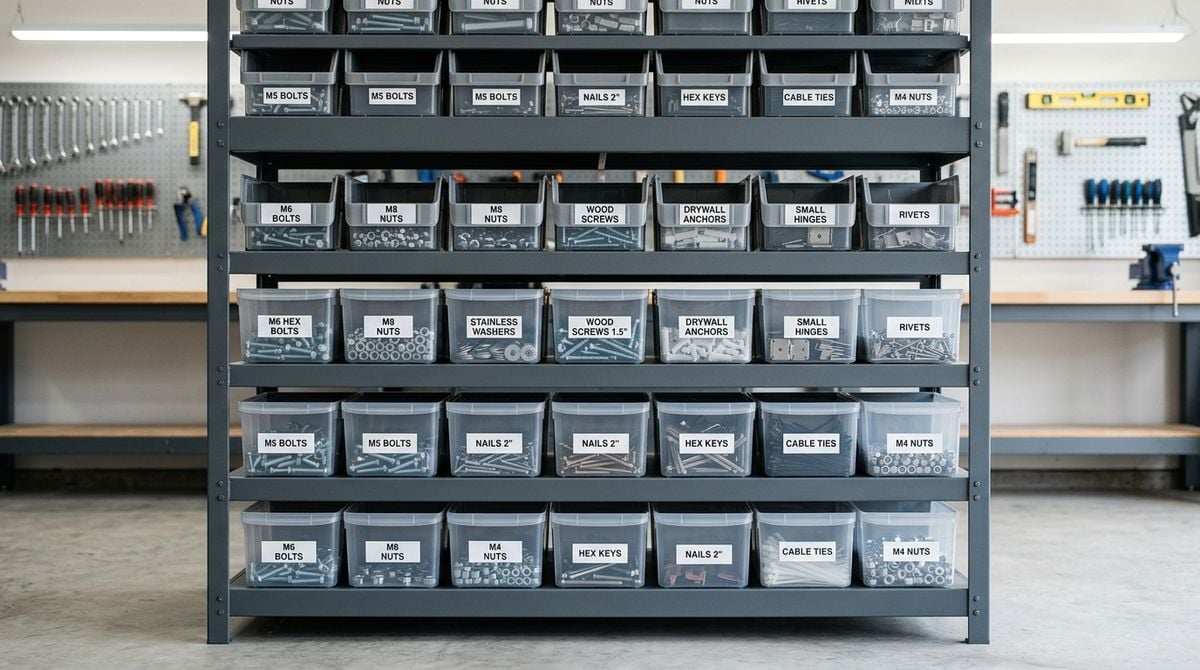
Consider the scalability of your setup, from your desk configuration to your storage solutions. Investing in quality, versatile furniture and equipment that can serve multiple purposes over a long duration is more efficient than frequent replacements. This long-term mindset reduces the necessity for constant upgrades and minimizes the associated waste. By planning for modularity and versatility, you can create a resilient workspace that supports your professional activities efficiently, comfortably, and sustainably for the long term.