


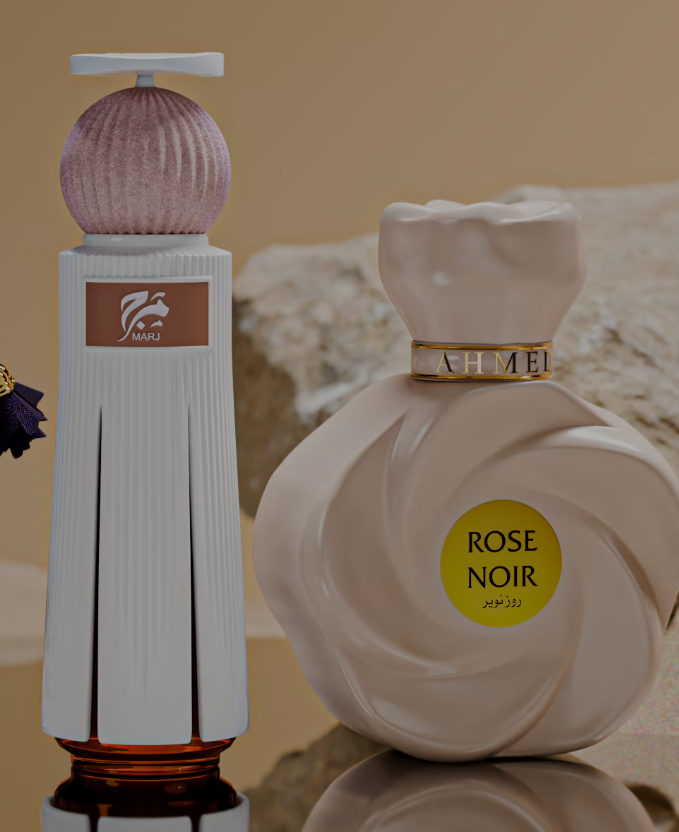
Perfumes are more than pleasant scents. They can become part of personal style, create memorable impressions, and complement different occasions. From fresh citrus fragrances to warm woody aromas, there are countless fragrance profiles available for different personalities and preferences.
With so many options available, understanding fragrance families, concentrations, application methods, and occasions can make it easier to find a scent that feels right for you.
What Are Perfumes?
Perfumes are fragrant compositions created by combining aromatic ingredients with a base, usually including alcohol or oil. These ingredients may include natural extracts, essential oils, aroma compounds, and other fragrance materials.
The final scent develops gradually after application. Some notes can be noticed immediately, while others become more prominent after the fragrance has remained on the skin for some time.
This development is one reason the same fragrance can smell slightly different from one person to another.
Understanding Fragrance Notes
One of the most useful ways to understand Perfumes is to learn about fragrance notes. These are generally divided into three categories: top notes, middle notes, and base notes.
Top Notes
Top notes are the first aromas you notice after applying a fragrance. They are usually lighter and evaporate relatively quickly. Citrus, fresh herbs, and certain fruity notes are commonly used in this part of a fragrance composition.
Middle Notes
Middle notes, also called heart notes, become noticeable as the top notes begin to fade. Floral, fruity, spicy, and aromatic ingredients can form the heart of a fragrance.
Base Notes
Base notes provide depth and help create the fragrance’s lasting character. Ingredients such as musk, amber, sandalwood, vanilla, patchouli, and oud are often used in base compositions.
Together, these layers create a fragrance that changes gradually rather than remaining exactly the same from the moment it is applied.
Popular Fragrance Families
Different fragrance families can help you identify the type of scent you prefer.
Floral Fragrances
Floral fragrances feature flowers as an important part of their composition. Rose, jasmine, violet, and tuberose are examples of commonly used floral notes. These scents can range from soft and delicate to rich and intense.
Citrus Fragrances
Citrus fragrances often feature bright notes such as lemon, orange, bergamot, and grapefruit. They are generally associated with fresh and energetic scent profiles.
Woody Fragrances
Woody fragrances can include sandalwood, cedarwood, vetiver, and other woody materials. They often create a warm, smooth, or earthy character.
Oriental and Spicy Fragrances
Spicy fragrances may include ingredients such as cinnamon, cardamom, saffron, and pepper. Oriental-style compositions may combine spices with amber, woods, musk, or sweet notes for a richer aroma.
Fresh and Aquatic Fragrances
Fresh and aquatic fragrances are often associated with clean, airy, and refreshing aromas. They can be suitable for people who prefer lighter everyday scents.
Choosing Perfumes for Different Occasions
The right fragrance can depend on where and when you plan to wear it. For everyday activities, lighter citrus, fresh, or floral fragrances can be comfortable choices.
For professional environments, subtle fragrances are often more appropriate because strong scents may be noticeable to people nearby. Evening events, dinners, and celebrations may provide an opportunity to wear richer woody, spicy, amber, or oud-based fragrances.
There is no universal rule, however. Personal preference should always remain an important part of the decision.
How to Make Perfumes Last Longer
The way you apply a fragrance can influence how long its aroma remains noticeable. Applying fragrance to moisturised skin can help the scent stay noticeable because dry skin may cause fragrance to disappear more quickly.
Common application areas include the wrists, neck, and behind the ears. Avoid rubbing your wrists together after applying fragrance, as this can alter how the fragrance develops.
Storing Perfumes correctly is equally important. Keep bottles away from direct sunlight, excessive heat, and major temperature changes. A cool, dry place can help maintain the quality of the fragrance.
Perfume Concentration Explained
Fragrance concentration is another factor worth understanding. Eau de Cologne, Eau de Toilette, Eau de Parfum, and Extrait de Parfum generally have different levels of fragrance concentration.
Higher concentration does not automatically mean that a fragrance will suit everyone better. Performance can also depend on the formulation, skin chemistry, climate, and application method.
Testing a fragrance on your own skin is therefore more useful than relying only on the concentration listed on the bottle.
Final Thoughts
Perfumes offer an easy way to express personality and complement everyday style. With fragrance families ranging from fresh citrus and floral aromas to deep oud and woody compositions, there is a wide variety to explore.
Instead of selecting a fragrance solely because it is popular, consider the notes you enjoy, the occasion, the climate, and how the fragrance develops on your skin. Testing a scent and giving it time to develop can help you make a more informed choice and find a fragrance that genuinely feels like your own.