





The integration of smart technology into the modern home has fundamentally shifted how we manage our living spaces. From lighting systems that adjust based on daylight to complex home automation hubs, these devices aim to improve convenience and efficiency. However, as the number of connected devices increases, so does the surface area for potential data exposure. Protecting personal information requires a deliberate and structured approach, as the ease of use these devices provide often masks the underlying complexity of their connectivity.
Maintaining control over your smart home ecosystem is not a one-time setup process. It requires ongoing vigilance and a willingness to understand the data flow between your devices, the cloud services they rely on, and your personal network. By adopting proactive habits, you can enjoy the benefits of automation while minimizing the risks associated with interconnected technology.
Understanding Smart Device Permissions
Every smart device in your home functions as a potential data point. These devices frequently collect information about your habits, schedules, and preferences to provide personalized experiences. Understanding what permissions you grant to these devices is the first step toward better security. Many devices require access to your location, your network, or even other connected peripherals to function optimally.
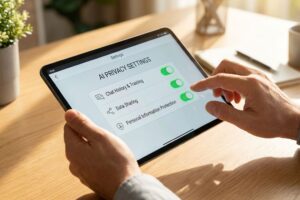
When you set up a new device, it is important to review the default settings. Often, manufacturers configure devices to share data back to their servers for product improvement or marketing purposes. While this may seem harmless, limiting this data sharing can significantly improve your privacy. Regularly review the settings within your device apps to ensure that you are only sharing the information necessary for the device to operate as intended.
Assessing Data Sharing Practices
Data privacy is constantly evolving as new technologies emerge. Staying informed about how companies manage user data is vital for making educated decisions about what you bring into your home. It can be beneficial to look for sources that provide updates on tech trends that might influence your personal security decisions.
For those looking to keep pace with these shifts, news-takeuchi.com offers a perspective on emerging trends that can help you understand the broader tech landscape. By keeping an eye on these developments, you can better anticipate potential risks before they impact your home setup. Understanding these trends allows you to adapt your home configuration, ensuring that your security measures stay current with the latest technological developments.
Being aware of these shifts also means reconsidering the devices you already have in place. If a particular device or manufacturer frequently appears in reports about data handling concerns, it may be time to evaluate whether the benefit of that device outweighs the potential privacy risk. This ongoing assessment is essential for maintaining a secure environment.
Engaging in Secure Community Discussions
Privacy is rarely a solitary endeavor. Engaging with others who share your interest in technology and security can provide valuable insights and practical tips. Participating in online communities where individuals share their experiences with different smart devices and security configurations can help you find solutions to common challenges.
Platforms like Simpcity serve as dynamic spaces for participating in discussions that cover a wide range of tech-related topics, including home automation and security. Engaging with a community allows you to learn from the shared experiences of others, which can be far more useful than relying solely on manufacturer documentation. When you encounter a specific problem or want to explore advanced security configurations, these communities can be a great place to seek advice and share what you have discovered.
When participating in these discussions, prioritize shared learning and caution. While communities offer a wealth of knowledge, always verify the information you receive and adapt it to your specific network and device setup. The goal is to build a robust security posture through collective wisdom.
Practical Steps for Device Hardening
Hardening your smart home requires a practical, hands-on approach. There are several steps you can take to make your network and devices less vulnerable to unauthorized access. By focusing on fundamental security hygiene, you can significantly reduce the risk of data exposure.
Consider these essential steps for securing your home network and devices:
- Change all default device passwords to strong, unique combinations.
- Enable multi-factor authentication on all device accounts.
- Ensure your router firmware is up to date and disable remote management features.
- Create a separate network for your smart devices, keeping them isolated from your primary computer and mobile device network.
- Regularly audit the devices connected to your network to identify and remove any that are no longer in use.
While you focus on securing your hardware, remember to look at how specific apps interact with your daily routines. For example, when you are looking at ways to streamline your household management, you might find that using smart fridge camera logs for shopping is an excellent way to maintain efficiency, provided you have properly secured the device and its associated account. Balancing convenience and security is a constant process of review and adjustment.
Maintaining Long-Term Data Hygiene
Long-term data hygiene is about making security a standard part of your routine. Much like physical home maintenance, digital home maintenance requires periodic check-ins. Set aside a time periodically to review your device connections, update firmware, and re-evaluate your privacy settings. This keeps your system lean and ensures that old, unused devices are not sitting on your network as potential entry points.
As your smart home expands, continue to question whether every new device is truly necessary. Each additional device is another point that requires maintenance and monitoring. By being selective about what you add to your home, you can better manage the complexity of your setup and ensure that your data remains protected over the long term.
Staying diligent with these practices creates a sustainable approach to tech integration. By focusing on clear, actionable security habits, you can create a smart home that truly enhances your quality of life without compromising your personal privacy or data integrity.