





Moving to a new home can be exciting, but packing household items often becomes one of the most challenging parts of the process. From fragile kitchenware to bulky furniture, every item requires proper care to prevent damage during transportation. A well-organized packing plan can save time, reduce stress, and make unpacking much easier. Whether you are moving across town or relocating to another state, preparing your belongings correctly helps ensure a smoother experience. With the right supplies, smart packing techniques, and a little planning, you can protect your household items and stay organized throughout your move.
1. Create a Packing Plan Before You Begin
The best way to start packing is by creating a clear plan instead of putting everything into boxes randomly. Begin by walking through each room and identifying the items you want to take to your new home. Separate your belongings into categories such as furniture, kitchen supplies, clothing, electronics, and decorative items. This approach helps you understand how many boxes and packing materials you may need. It also prevents unnecessary delays when moving day arrives.
Try to pack one room at a time and set realistic daily goals. For example, you can begin with storage areas, guest rooms, and seasonal belongings that you do not use regularly. Keep essential household items accessible until the final days before moving. A written checklist can also help you track your progress and avoid forgetting important belongings.
2. Gather the Right Packing Supplies
Using suitable packing materials is essential for protecting household belongings during transportation. Low-quality boxes or insufficient cushioning can increase the risk of scratches, breakage, and other damage. Before packing, purchase sturdy boxes in different sizes based on the weight and dimensions of your belongings. You should also keep protective materials nearby to secure delicate and valuable items.
Some essential packing supplies include:
-
Sturdy cardboard boxes: Suitable for books, clothing, kitchenware, and household accessories.
-
Bubble wrap: Provides cushioning for glassware, electronics, and fragile decorations.
-
Packing paper: Helps protect dishes, cups, and other delicate belongings.
-
Packing tape: Keeps boxes securely closed during transportation.
-
Permanent markers: Useful for labeling boxes and identifying their contents.
-
Furniture blankets: Help prevent scratches and dents during loading and unloading.
Having everything ready before you begin makes the packing process more efficient. It also reduces the chances of leaving items exposed or improperly protected.
3. Sort and Declutter Your Household Belongings
Moving provides an excellent opportunity to remove items you no longer need. Packing unnecessary belongings increases the number of boxes, takes up valuable transportation space, and makes unpacking more difficult. Before placing anything into a box, decide whether you genuinely need it in your new home. Separate unwanted items into categories for donation, recycling, selling, or disposal.
Pay special attention to closets, kitchen cabinets, garages, and storage rooms because these areas often contain unused belongings. Old clothes, damaged appliances, outdated decorations, and duplicate household items can usually be removed. Decluttering also makes it easier to organize your new living space. A smaller collection of belongings means fewer items to pack, transport, and unpack.
4. Pack Fragile Items With Extra Care
Fragile belongings require additional protection because they can easily break when boxes are dropped, shifted, or stacked incorrectly. Items such as glassware, mirrors, ceramic dishes, picture frames, and decorative pieces should always be wrapped individually. Use bubble wrap or packing paper to cover delicate surfaces and fill empty spaces inside boxes with cushioning materials. This prevents items from moving around during transportation.
When packing dishes, place heavier pieces at the bottom and lighter items above them. Glasses and cups should be wrapped separately and positioned securely. Avoid overfilling boxes because excessive weight can cause the bottom to collapse. Clearly label these boxes as fragile so everyone handling them understands that extra care is necessary.
5. Organize Clothing, Bedding, and Personal Items
Clothing, towels, blankets, and bedding are generally easier to pack than fragile household items, but they still require proper organization. Use suitcases, storage bags, or medium-sized boxes to keep clothing clean and organized. Vacuum storage bags can also help reduce the space required for bulky seasonal clothes, comforters, and blankets.
Keep everyday clothing separate from items you rarely use. Pack a small bag containing essential outfits, toiletries, medications, chargers, and personal documents for the first few days in your new home. This prevents you from searching through multiple boxes immediately after arriving. Organizing personal belongings in advance makes settling into your new space much more comfortable.
6. Prepare Furniture and Large Household Appliances
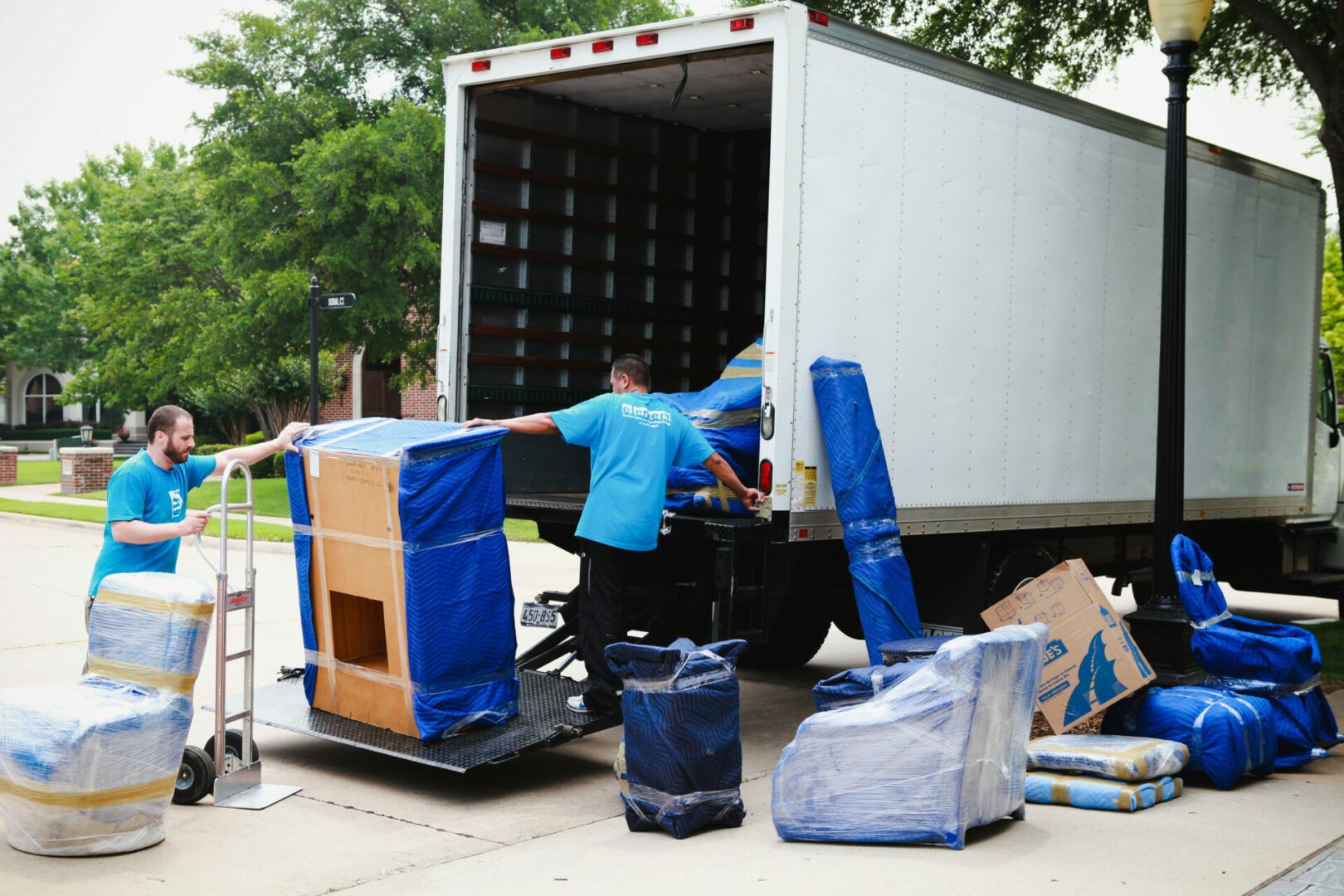
Large furniture pieces and appliances require careful preparation before moving. Start by removing loose components, detachable shelves, cushions, and accessories whenever possible. Keep screws, bolts, and small hardware in labeled plastic bags so you can easily reassemble furniture later. Cover sofas, tables, and other large pieces with furniture blankets or protective wrapping to reduce the risk of scratches.
For appliances, check the manufacturer’s instructions before preparing them for transportation. Refrigerators should generally be emptied, cleaned, and dried before moving. Washing machines may require special transit bolts, depending on the model. Disconnect electrical appliances safely and avoid handling heavy equipment without proper assistance.
If you need professional help, Movers Beckley WV can be a useful search term when looking for moving assistance in the Beckley area. Experienced moving professionals can help with heavy lifting, furniture handling, and transportation planning.
7. Label Every Box Clearly
Proper labeling is one of the simplest ways to make moving more organized. Write the destination room and a brief description of the contents on each box. For example, labels such as “Kitchen – Plates” or “Bedroom – Winter Clothes” make it easier to identify belongings without opening every container.
You can also use different colored labels for different rooms. Mark boxes containing fragile items or essential belongings so they can receive appropriate attention. If possible, maintain a separate inventory list of packed boxes and their contents. This makes it easier to check that everything has arrived safely at your new home.
8. Keep Important Belongings Separate
Some household items should never be packed away with general belongings because you may need them immediately. Prepare a separate essentials box or bag that stays easily accessible throughout the move. Include items that support your family’s daily needs during the transition.
Your essentials bag may contain:
-
Identification documents and important paperwork.
-
Medicines and basic first-aid supplies.
-
Mobile phone chargers and electronic accessories.
-
Toiletries and personal hygiene products.
-
Snacks, drinking water, and basic utensils.
-
Cleaning supplies and a few basic tools.
Keeping these necessities separate saves time and makes the first night in your new home easier. Avoid placing valuable documents, jewelry, or important personal belongings in boxes that will be transported with general household items.
9. Consider Professional Moving Assistance
Packing and transporting an entire household can become physically demanding, particularly when dealing with large furniture, delicate belongings, or a tight moving schedule. Professional movers can provide useful assistance with packing, loading, transportation, and unloading. They may also have specialized equipment and protective materials for handling different types of household items.
Before hiring a moving company, compare services, request written estimates, and check customer reviews. Ask whether packing materials, furniture protection, and transportation insurance are included in the quoted price. Choosing a reliable moving service can reduce the workload and help make your relocation more manageable.
Conclusion
Packing household items properly requires preparation, organization, and attention to detail. Starting early, decluttering unnecessary belongings, using quality packing supplies, and protecting fragile items can make a significant difference during relocation. Clear labeling and keeping essential belongings separate will also simplify the unpacking process. By following these practical steps, you can protect your possessions and make moving day less stressful. A little planning before relocation can help you settle into your new home with greater confidence and peace of mind.
Frequently Asked Questions (FAQs)
1. How Early Should I Start Packing Before Moving?
Ideally, start packing three to four weeks before your moving date. Begin with seasonal belongings, decorations, and items you rarely use. Leave everyday essentials until closer to moving day.
2. What Is the Best Way to Pack Kitchen Items?
Wrap plates, glasses, and other fragile kitchenware individually using packing paper or bubble wrap. Place heavier items at the bottom of sturdy boxes and fill empty spaces with cushioning materials.
3. How Can I Prevent Items From Breaking During a Move?
Use strong boxes, appropriate cushioning, and individual wrapping for fragile belongings. Avoid overpacking containers and clearly label delicate boxes so they receive extra care.
4. Should I Empty Drawers Before Moving Furniture?
Yes, emptying drawers is generally recommended. Removing their contents reduces furniture weight and prevents belongings from shifting or falling during transportation.
5. Is Hiring Professional Movers Worth It?
Professional movers can save time and physical effort, especially when transporting heavy furniture or fragile household items. Compare services, prices, and customer feedback before making a decision.
6. How Can I Make Unpacking Easier After Moving?
Label every box according to its destination room and contents. Pack an essentials bag separately and unpack important rooms, such as the kitchen and bedrooms, first.