



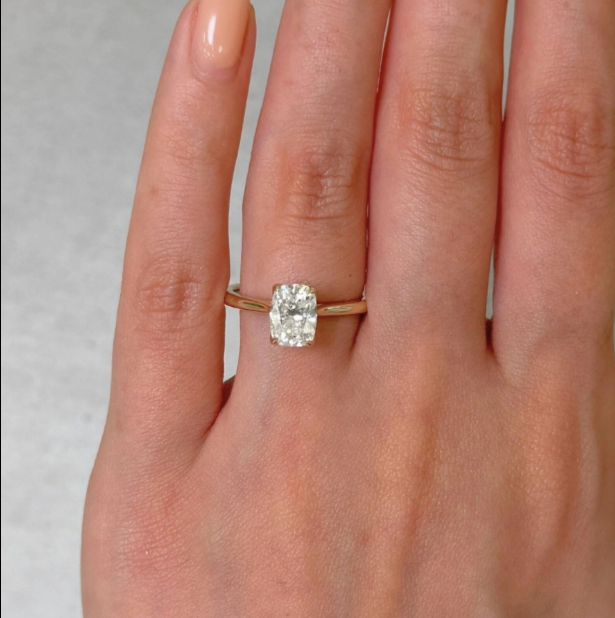
Choosing an engagement ring involves more than finding a diamond that catches the light. The shape, proportions, setting, metal, and overall design all contribute to how the ring looks and feels when worn. Cushion cuts are particularly distinctive because they combine a soft, rounded outline with the structured appearance of a square or rectangular stone. Cushion cut engagement rings can therefore suit a range of personal styles, from vintage-inspired designs to contemporary settings. Understanding the characteristics of this shape can make it easier to compare different options and select a ring that complements both your preferences and everyday lifestyle.
What Makes a Cushion Cut Distinctive?
Cushion-cut diamonds are recognized by their rounded corners and generally square or rectangular outline. Their softer edges distinguish them from sharper square shapes, while their proportions can vary considerably.
A classic cushion usually has a more balanced, square appearance, while an elongated cushion has a greater length-to-width ratio and creates a more rectangular silhouette. The choice between the two is largely a matter of personal preference.
Cushion cuts can also display different facet patterns. Some have larger, more defined facets that create noticeable flashes of light, while others have a finer pattern that produces a more textured sparkle.
Classic or Elongated Cushion: Which Style Fits?
The proportions of the centre stone can significantly change the appearance of the finished ring. A classic cushion may appeal to someone who prefers symmetrical, traditional jewellery, while an elongated version can provide a longer visual line across the finger.
Elongated cushions can also work particularly well with settings designed to emphasize the stone’s length. The current collection includes both classic and elongated cushion designs, offering different silhouettes within the same overall diamond shape.
When comparing stones, look beyond carat weight alone. Length-to-width ratio, face-up dimensions, cut quality, and how the facets interact with light can all affect the diamond’s appearance.
Which Settings Complement Cushion Diamonds?
The setting can completely change the character of a cushion-cut ring. A solitaire keeps attention on the centre stone and creates a clean, understated appearance. A halo adds a border of smaller diamonds around the cushion and can increase the overall visual presence of the ring.
Pavé bands introduce additional sparkle along the shank, while three-stone designs create a broader look by placing accent stones beside the centre diamond.
For someone who prefers a more traditional aesthetic, vintage-inspired details such as milgrain, engraving, or delicate gallery work can complement the rounded shape of a cushion beautifully.
Think About Everyday Comfort
An engagement ring is typically worn frequently, so comfort should be considered alongside appearance. The rounded corners of a cushion cut can provide a softer profile than square shapes with sharper corners.
The setting also affects how practical the ring feels. Low-profile designs position the centre stone closer to the finger, which can reduce the likelihood of catching the ring on clothing or other objects.
Band width, prong placement, setting height, and the overall shape of the ring should all be considered when choosing a design intended for everyday wear.
How Should You Compare Diamond Quality?
When comparing cushion cut engagement rings, examine the diamond’s overall cut quality rather than relying solely on its carat weight. A well-proportioned stone can have strong visual presence without necessarily having the highest carat weight.
Look closely at symmetry, polish, clarity, colour, and light performance. Cushion diamonds can show different facet patterns, so viewing the stone from multiple angles can help you understand how it interacts with light.
The metal used for the setting also affects the final appearance. White gold, yellow gold, rose gold, and platinum can each create a different visual relationship with the centre stone.
Consider Your Personal Style
The versatility of the cushion shape makes it suitable for several jewellery aesthetics. A simple solitaire can create a refined appearance, while a halo or pavé design can provide additional sparkle. Split-shank and other contemporary bands can give the traditional shape a more modern character.
Your existing jewellery may also help guide the decision. If you regularly wear a particular metal colour or style of jewellery, selecting a complementary engagement ring can make it easier to create a cohesive collection.
Conclusion
A cushion-cut engagement ring can combine rounded elegance, distinctive proportions, and versatile styling in one design. For shoppers exploring lab-created diamonds in Canada, considering these same factors can make the process of selecting a cushion-cut engagement ring more informed and personal. Comparing classic and elongated shapes, evaluating diamond quality, considering the setting, and thinking about everyday comfort can help narrow down the available choices.