



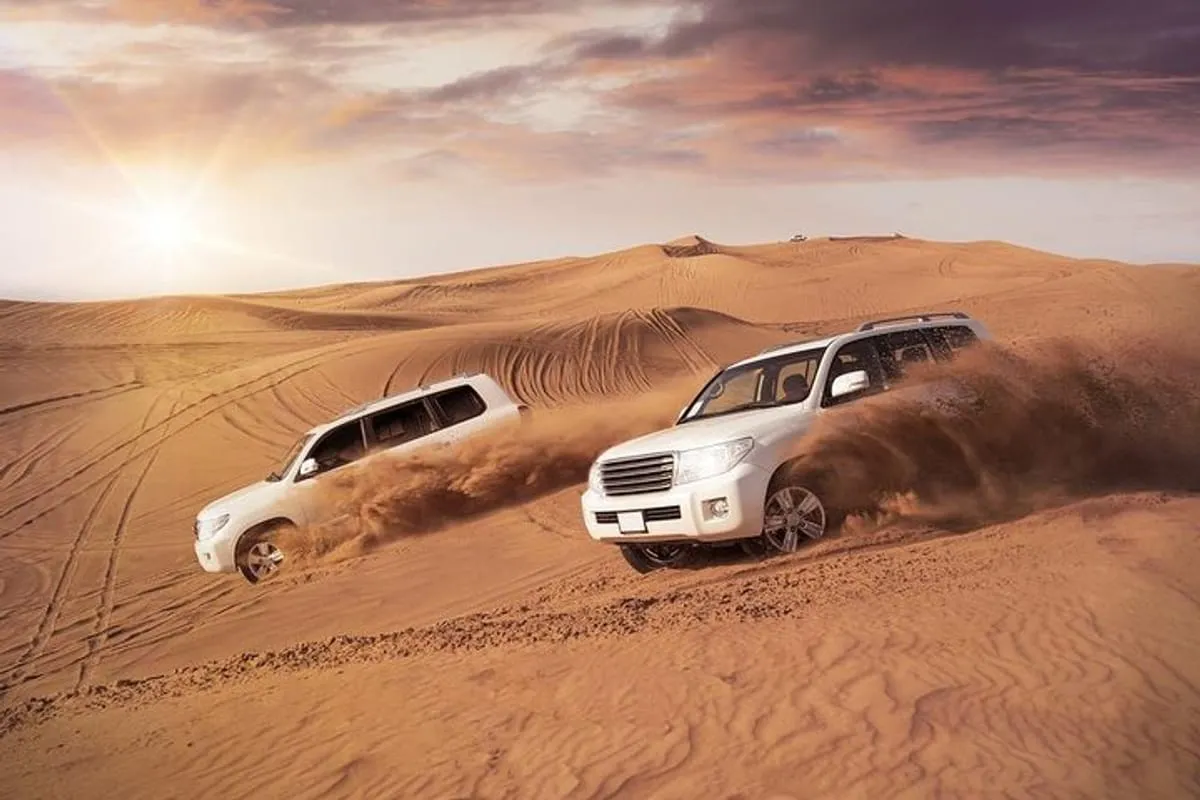
4×4 off road vehicles are designed for drivers who want more than ordinary road performance. With four-wheel-drive capability, rugged construction, and specialized features, these vehicles can handle challenging terrain, unpaved roads, rocky trails, and outdoor adventures. Whether you are searching for a dependable off-road SUV, a powerful four-wheel-drive truck, or a versatile vehicle for recreational driving, exploring 4×4 Off Road Vehicles can help you find an option that matches your needs, budget, and driving style.
Choosing the right off-road vehicle requires more than looking at its appearance or engine power. Factors such as four-wheel-drive technology, ground clearance, suspension design, tire selection, durability, passenger space, and maintenance costs all influence overall performance. Understanding these features helps buyers compare available models and make a confident purchasing decision.
What Makes 4×4 Off Road Vehicles Different?
Four-wheel-drive vehicles are engineered to deliver power to all four wheels under appropriate operating conditions. This can improve traction when driving on loose gravel, sand, mud, snow, and other surfaces where ordinary two-wheel-drive vehicles may struggle. However, performance depends on the vehicle’s design, tires, drivetrain system, and driving conditions.
Many dedicated off-road models feature high ground clearance, reinforced underbody protection, durable suspension components, and specialized traction systems. These features help the vehicle travel over uneven terrain while reducing the risk of damaging important components.
Some vehicles also include low-range gearing, locking differentials, hill descent control, and selectable terrain modes. Low-range gearing is particularly useful when navigating steep inclines, rocky trails, or slow-speed obstacles because it provides greater control and usable torque at the wheels.
It is important to understand that not every vehicle advertised as a 4×4 offers the same level of off-road capability. Some models are designed primarily for everyday comfort and occasional dirt roads, while others are built for demanding trails and challenging outdoor conditions.
Types of 4×4 Off Road Vehicles
The best vehicle for your needs depends on how you plan to use it. Different body styles offer different combinations of passenger capacity, cargo space, towing ability, comfort, and off-road performance.
Off-Road SUVs
Off-road SUVs are popular among drivers who need passenger space without sacrificing the ability to travel beyond paved roads. Many models provide spacious interiors, practical cargo areas, elevated driving positions, and available four-wheel-drive systems.
Dedicated off-road SUVs may feature rugged chassis designs, protective skid plates, terrain management systems, and advanced suspension configurations. These features can help drivers navigate rough trails and uneven ground more confidently.
When comparing SUVs, consider the number of passengers you regularly carry, available cargo capacity, ground clearance, and the type of four-wheel-drive system installed. Buyers should also review fuel consumption and maintenance expenses, especially when considering larger vehicles with powerful engines.
4×4 Pickup Trucks
Four-wheel-drive pickup trucks combine off-road capability with useful cargo capacity and, in many cases, towing capability. They are suitable for outdoor recreation, work-related transportation, equipment hauling, and travel in areas with rough road conditions.
Many 4×4 trucks offer durable frames, powerful engines, selectable drive modes, and suspension systems designed to handle demanding use. Certain models also include locking differentials, off-road tires, and additional underbody protection.
Before purchasing a pickup, consider the truck’s payload rating, towing capacity, bed size, and passenger-cabin configuration. These specifications vary by model, engine, drivetrain, and equipment package, so buyers should verify the exact vehicle specifications rather than relying on the model name alone.
Compact Off-Road Vehicles
Compact off-road vehicles appeal to drivers who want maneuverability and practical dimensions. Their smaller size can be helpful when navigating narrow trails, crowded parking areas, and tighter outdoor routes.
Some compact models offer genuine four-wheel-drive capability, short wheelbases, and specialized traction features. Others are crossover vehicles with systems designed primarily for slippery roads and light off-road use.
Buyers should distinguish between a dedicated off-road vehicle and a crossover that simply offers an all-wheel-drive option. If your plans involve rocky terrain, deep sand, or steep trails, ground clearance, underbody protection, approach and departure angles, and drivetrain capability deserve particular attention.
Modified and Specialized Off-Road Vehicles
Some enthusiasts customize their vehicles for specific environments or activities. Common modifications include all-terrain tires, suspension upgrades, recovery points, protective skid plates, auxiliary lighting, and recovery equipment.
These changes can improve capability when properly selected and installed. However, modifications may also affect ride comfort, handling, fuel economy, component wear, and warranty coverage.
When considering a modified vehicle, ask for details about the installed equipment, the quality of the work, and any changes made to the original drivetrain or suspension. A professional inspection can help identify potential problems before purchase.
Important Features to Consider Before Buying
Selecting a suitable 4×4 vehicle requires evaluating the features that will matter most in your intended driving environment.
Four-Wheel-Drive System
Not all four-wheel-drive systems operate in the same way. Some are part-time systems that require the driver to select four-wheel drive when appropriate. Others provide full-time four-wheel drive or automatically distribute power according to available traction.
A low-range transfer case can be especially valuable for serious off-road driving. It provides lower gearing for controlled movement over difficult obstacles and steep inclines. Locking differentials can also help maintain traction when one or more wheels lose grip.
Review the owner’s manual and drivetrain specifications to understand how the system works. Using the wrong four-wheel-drive mode on certain surfaces can cause drivetrain strain or damage.
Ground Clearance and Suspension
Ground clearance determines how much space exists between the vehicle’s underside and the ground. Greater clearance can help reduce contact with rocks, ruts, and other obstacles.
Suspension design also affects how the vehicle responds to uneven terrain. Suitable suspension travel can help the tires maintain contact with the ground, improving traction and stability.
However, a higher suspension does not automatically make a vehicle better in every situation. Tire selection, suspension geometry, vehicle weight, and overall design also contribute to off-road performance.
Tires and Traction
Tires are among the most important factors influencing off-road capability. All-terrain tires offer a balance between paved-road comfort and performance on dirt, gravel, and moderate trails. Mud-terrain tires generally feature more aggressive tread patterns designed for loose and muddy conditions, although they can produce more road noise and may wear differently on pavement.
Choose tires that match your expected driving conditions. Check the tire age, tread depth, sidewalls, and load ratings when inspecting a used vehicle.
Drivers should also learn how to adjust tire pressure appropriately for different conditions and reinflate tires before returning to normal road speeds. Tire pressure adjustments must follow safe procedures and account for the vehicle, tire specifications, terrain, and load.
Buying a Used 4×4 Off Road Vehicle
Used four-wheel-drive vehicles can provide excellent value, but their previous use deserves careful consideration. Off-road driving can place additional stress on suspension components, tires, underbody parts, wheel bearings, and drivetrain systems.
Begin by reviewing the vehicle’s maintenance records and ownership history. Ask whether it has been used regularly on trails, driven through deep water, or modified for demanding off-road conditions.
Inspect the underbody for dents, corrosion, damaged skid plates, fluid leaks, and signs of poorly repaired damage. Look for unusual tire wear and check the suspension for damaged components or excessive play.
Test the four-wheel-drive system according to the manufacturer’s instructions. Warning lights, unusual noises, difficulty engaging drive modes, or vibration may indicate a problem that requires professional diagnosis.
A qualified mechanic familiar with four-wheel-drive vehicles can inspect the transfer case, differentials, suspension, steering, brakes, and other critical components. This inspection can help you understand the vehicle’s condition and estimate possible repair expenses before finalizing the purchase.
New Versus Used 4×4 Vehicles
New and used vehicles offer different advantages. A new 4×4 may provide updated safety technology, modern infotainment features, and manufacturer warranty coverage, subject to the applicable terms. It also allows buyers to select from current configurations and equipment packages.
The main disadvantages can include a higher purchase price, financing expenses, and depreciation. Buyers should compare the total cost of ownership rather than focusing exclusively on monthly payments.
Used 4×4 vehicles can offer more affordable access to established off-road models and specialized features. However, their condition, mileage, service history, and previous modifications can have a major effect on long-term value.
Before making a decision, compare similar models and review the condition of each specific vehicle. A well-maintained used 4×4 may be a better purchase than a cheaper example with hidden mechanical issues.
How to Choose the Right Vehicle for Your Adventures
Start by identifying where you expect to drive most often. If your vehicle will primarily be used for commuting and occasional trips on gravel roads, a comfortable SUV with an appropriate traction system may be sufficient.
For regular trail driving, rocky routes, or challenging outdoor adventures, look for a model with suitable ground clearance, durable suspension components, protective underbody equipment, and a drivetrain designed for the terrain.
Drivers who need to transport equipment may prefer a 4×4 pickup with suitable payload and cargo capacity. Families may prioritize passenger space, safety features, climate control, and luggage capacity.
Your budget should also include ongoing expenses such as fuel, insurance, registration, tire replacement, scheduled servicing, and potential repairs. Off-road accessories and recovery equipment may add further costs.
Finally, arrange a test drive and compare several vehicles before deciding. Evaluate driving comfort, visibility, steering response, braking performance, and cabin practicality. Confirm that the vehicle meets your requirements both on paved roads and in the environments where you intend to use it.
Find 4×4 Off Road Vehicles Through CarNetwork
Finding a suitable four-wheel-drive vehicle becomes easier when you know which features and specifications matter most. CarNetwork provides a starting point for exploring automotive options and researching vehicles that may match your preferences.
When reviewing listings, compare vehicle condition, drivetrain configuration, engine specifications, mileage, equipment, and asking price. If you are interested in a used vehicle, check the service history and ask the seller about previous off-road use, modifications, and accident repairs.
Consider how the vehicle will fit into your everyday life as well as your outdoor plans. A dedicated off-road vehicle may provide excellent capability on demanding trails, while a versatile 4×4 SUV or pickup may be more suitable if you need passenger comfort, cargo space, and regular road usability.
Always verify availability, specifications, ownership documentation, and other important details directly with the seller. Where possible, arrange an independent inspection before completing the transaction.
Make the Most of Your 4×4 Investment
Choosing a four-wheel-drive vehicle is an opportunity to improve your ability to explore remote destinations, travel on challenging roads, and enjoy outdoor activities. The right choice depends on your budget, intended terrain, passenger and cargo requirements, and expectations for maintenance.
By comparing drivetrain systems, ground clearance, suspension design, tire options, and vehicle condition, you can make a more informed purchasing decision. A thorough inspection and realistic ownership budget can also help reduce the risk of unexpected expenses.
Explore 4×4 off-road options through CarNetwork, compare vehicles that suit your driving needs, and take time to verify each model’s specifications before buying. With the right research and preparation, you can find a dependable vehicle that delivers practical value and the capability needed for your next adventure.