



The beverage industry has seen a notable shift in recent years, with more consumers exploring alternatives to traditional alcohol for social occasions and relaxation. Among these emerging options, THC-infused drinks have gained significant attention as a category that blends the ritual of drinking something enjoyable with the effects associated with cannabis compounds, offering a different experience than either alcohol or standard cannabis products typically provide.
What Makes This Beverage Category Different
Unlike alcohol, which affects the body almost immediately after consumption, THC-infused drinks often work through a somewhat different absorption process depending on how they’re formulated. Many products use nanoemulsion technology, which breaks cannabinoids into smaller particles to improve how quickly and consistently they’re absorbed into the bloodstream. This approach has helped address one of the earlier criticisms of cannabis beverages, which historically had slower and less predictable onset times compared to smoking or vaping.
Legal Landscape and Where These Products Fit
The legal status of these beverages varies significantly depending on location and the specific source of THC used in the formulation. Products derived from hemp, rather than traditional cannabis plants, often fall under different regulatory frameworks following changes in federal agricultural policy. This distinction matters because THC-infused drinks made from hemp-derived compounds may be available in states where traditional cannabis products remain restricted, creating a more accessible market for curious consumers in regions without broader cannabis legalization.
Comparing Beverages to Traditional Cannabis Formats
Beverages occupy an interesting middle ground between smoking cannabis and consuming traditional edibles like gummies or baked goods. Drinks offer a more social, familiar format that mirrors the experience of having a cocktail or seltzer at a gathering, which sets THC-infused drinks apart from other cannabis product categories that tend to be consumed more privately or discreetly rather than shared in a social setting among friends.
Flavor Profiles and Product Variety
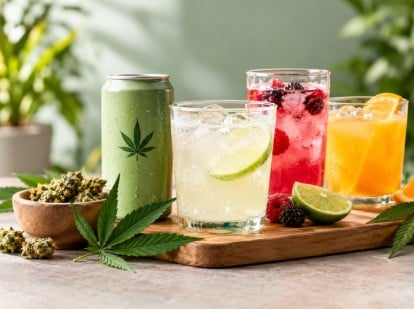
Manufacturers have invested considerable effort into flavor development, recognizing that taste plays a major role in whether a product gets repeat purchases. Many THC-infused drinks now come in flavors reminiscent of popular sodas, sparkling waters, or classic cocktail profiles like citrus, berry, or botanical blends. This variety has helped the category appeal to a broader audience beyond dedicated cannabis consumers, including those simply curious about trying something different at a social event.
Understanding Potency and Serving Sizes
Potency labeling on these products typically indicates milligrams of THC per serving, and servings can vary widely between brands and product lines. Because onset and intensity can differ from person to person, many manufacturers and retailers encourage new consumers to start with lower-potency options and pay close attention to labeling before purchasing. Understanding these differences becomes especially important given that THC-infused drinks can affect people differently based on individual tolerance, body chemistry, and prior experience with cannabis products generally.
Market Growth and Consumer Trends
Industry data has pointed to steady growth in this beverage category over recent years, particularly as more consumers express interest in moderating alcohol consumption without giving up social drinking rituals entirely. Retailers in states with favorable regulations have expanded shelf space for THC-infused drinks, reflecting growing mainstream interest. This trend suggests the category is likely to keep evolving as more producers enter the space and refine their formulations over time.
What to Consider Before Trying One
For those new to this category, starting slow and reading labels carefully makes a meaningful difference in the overall experience. Factors like body weight, food intake beforehand, and individual sensitivity to cannabinoids can all influence how a beverage is felt, and waiting a reasonable amount of time before consuming more helps avoid overconsumption, since effects can take longer to appear than with smoking or vaping methods.
Conclusion
As consumer interest in alternatives to alcohol continues to grow, this beverage category represents a notable shift in how people approach social consumption and relaxation. For those exploring this space, comparing drinks against hemp-derived THC edibles can help identify which format best matches individual preferences, whether that’s the social familiarity of a beverage or the convenience that edibles have traditionally offered to consumers.