Creative Personalized Embroidery Patterns for Modern Custom Designs
Walk into any gift shop and you will see rows of identical items. The same mugs. The same cushions. The same generic designs printed on everything. They are fine, but they do not mean anything. Now think about the last embroidered item that genuinely caught your attention. It probably had a name, a date, or a detail that made it personal. That is exactly what Creative Personalized Embroidery Patterns deliver. They turn ordinary products into pieces people actually treasure.
This guide explains how personalized embroidery works, why it matters for modern custom designs, and how to get results that look sharp and professional.
Why Personalization Matters More Than Ever
Buyers today want more than products. They want connection.
A mass-produced item says nothing about the person who owns it. A personalized piece tells a story. It carries a name, a memory, a moment in time.
That shift in buyer behavior is why personalization has become a major force in fashion, gifting, and home decor. People are willing to pay more for something made specifically for them or someone they love.
Generic designs compete on price. Personalized designs compete on meaning. One of those is a far better business to be in.
What Makes Embroidery Patterns Creative and Personal
Let’s clear up a common misunderstanding. Personalized does not always mean drawn from scratch.
It means the design was created for a specific person, project, or brand. It can take many forms.
-
Custom names, initials, and monograms
-
Birth stats like date, weight, and height
-
Handwriting and signatures from loved ones
-
Pet portraits based on favorite photos
-
Kids drawings turned into stitched art
-
Wedding details including dates and venue sketches
-
Business logos for uniforms and branded items
What matters is that the design belongs to someone. That ownership is what makes it special.
Trending Ideas for Modern Custom Designs
Personalization keeps evolving. Here are ideas gaining traction right now.
Minimalist Monograms
Clean, simple lettering on robes, towels, and bags. Less is more, and modern buyers love the understated look.
Handwriting Keepsakes
A recipe card, a birthday note, or a signature stitched into fabric. These pieces preserve moments that would otherwise fade.
Pet Portraits
Pet owners adore custom embroidery of their animals. A well-digitized portrait captures personality in a way photos cannot.
Kids Artwork
A wobbly crayon drawing becomes permanent art when stitched onto a blanket or pillow. Parents treasure these pieces for decades.
Sustainable Personalization
Buyers increasingly want fewer, better items. Embroidered personalization adds value to quality pieces instead of encouraging fast fashion.
Mixed Media Designs
Combining embroidery with patches, appliqué, or printed elements creates texture and depth that stand out.
The Digitizing Process Behind Great Patterns
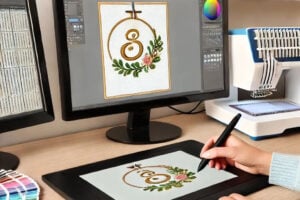
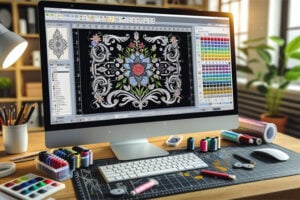
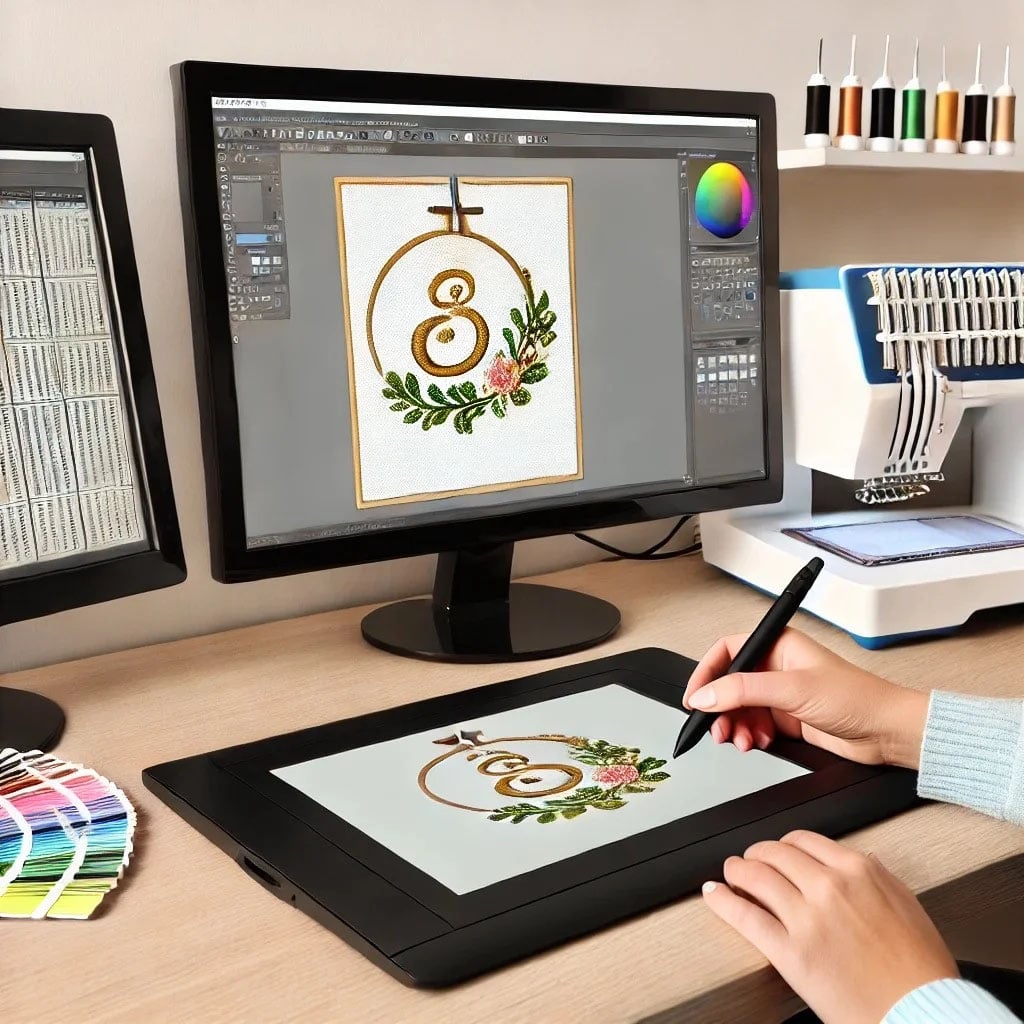
Here is something most people do not realize. A beautiful design on screen can turn into a mess on fabric if it is not digitized correctly.
Digitizing is the bridge between artwork and stitching. It is a skilled craft, not a push-button task.
A professional digitizer makes dozens of decisions for every design.
-
Stitch type selection for borders, fills, and fine lines
-
Stitch direction to control shine and texture
-
Underlay planning to prevent puckering
-
Pull compensation so curves do not distort
-
Color sequencing to minimize thread changes
-
Density balancing for coverage without stiffness
Get these right and the design looks printed on. Get them wrong and you get gaps, bunching, and thread breaks.
At Absolute Digitizing, every file is built by hand with these decisions in mind. That is what separates a design that works from one that frustrates.
What Separates Good Personalized Patterns From Bad Ones
Not all custom patterns are created equal. Here is what to look for.
Clean Digitizing
Smooth curves and sharp corners. No jagged edges or random stitches floating in empty space.
Proper Density
Too dense and the fabric stiffens. Too light and the background shows through. Balance is everything.
Readable Small Details
Tiny text is the hardest thing to embroider. Skilled digitizers adjust letter spacing and thickness so names and dates stay legible.
Fabric-Appropriate Settings
A pattern made for a thick hoodie behaves differently on a thin baby onesie. Good digitizers ask about the fabric before starting.
How to Order Creative Personalized Embroidery Patterns
Ready to create something meaningful? Follow these steps.
-
Choose your artwork or idea. Clean, high-contrast images work best.
-
Decide on size and placement. This affects how much detail is possible.
-
Pick your colors. Match the project or let the digitizer suggest options.
-
Share your fabric details. Cotton, denim, fleece, and knits all behave differently.
-
Review the preview. Check the stitch simulation before approving.
-
Approve and stitch. Once it looks right, production can begin.
Common Mistakes to Avoid
Let’s save you some frustration.
-
Sending low-resolution images that limit detail
-
Cramming too much into a tiny space
-
Skipping the stitch-out preview
-
Ignoring fabric type when planning the design
-
Choosing auto-digitizing to save a few dollars
-
Underestimating the value of professional work
Why Professional Digitizing Is Worth It
You can find free auto-digitizing tools online. So why pay for a professional?
Because embroidery machines are unforgiving. They stitch exactly what you tell them to, mistake for mistake. A poorly digitized file can ruin fabric, waste thread, and break needles.
A professional digitizer catches problems before they ever reach your machine. That saves time, money, and a lot of frustration.
Absolute Digitizing has worked on everything from simple monograms to complex memorial pieces with fine handwriting. The goal is always the same. A file that stitches beautifully the first time.
Actionable Tips for Better Personalized Patterns
Want the best possible result? Try these.
-
Start with vector art when you have it
-
Keep text at least 0.25 inches tall for readability
-
Limit colors to keep designs clean and cost-effective
-
Think about contrast between thread and fabric
-
Ask questions before the file is finalized
-
Request a sew-out for large or important projects
Conclusion
Creative personalized embroidery patterns turn ordinary items into something people treasure. Whether it is a gift, a keepsake, or a branded product, custom work beats generic designs every time.
The key is understanding that great embroidery starts with great digitizing. Choose clean artwork, communicate your fabric and size needs, and work with someone who treats your project like it matters.
If you are ready to turn your idea into stitches, Absolute Digitizing is here to help. Your memories deserve more than a template.
FAQs
1. What are creative personalized embroidery patterns?
They are stitch files designed for a specific person, project, or brand. They can include names, dates, handwriting, portraits, and other personal details that make an item one of a kind.
2. How much do personalized embroidery patterns cost?
Pricing depends on size, stitch count, and detail. Simple text designs cost less, while complex artwork with many colors costs more. Most services charge a one-time digitizing fee.
3. How long does it take to create a personalized pattern?
Simple designs can be ready in a few hours. Detailed artwork or handwriting may take a day or two. Rush options are often available for deadlines.
4. What file formats should I send for personalization?
Vector files like AI, EPS, or PDF work best. High-resolution PNGs and JPGs can also work. Avoid blurry images because they limit how much detail can be captured.
5. Can you embroider handwriting in a personalized design?
Yes. Handwriting and signatures digitize beautifully. Very thin or faint writing may need slight adjustments to stitch cleanly on fabric