







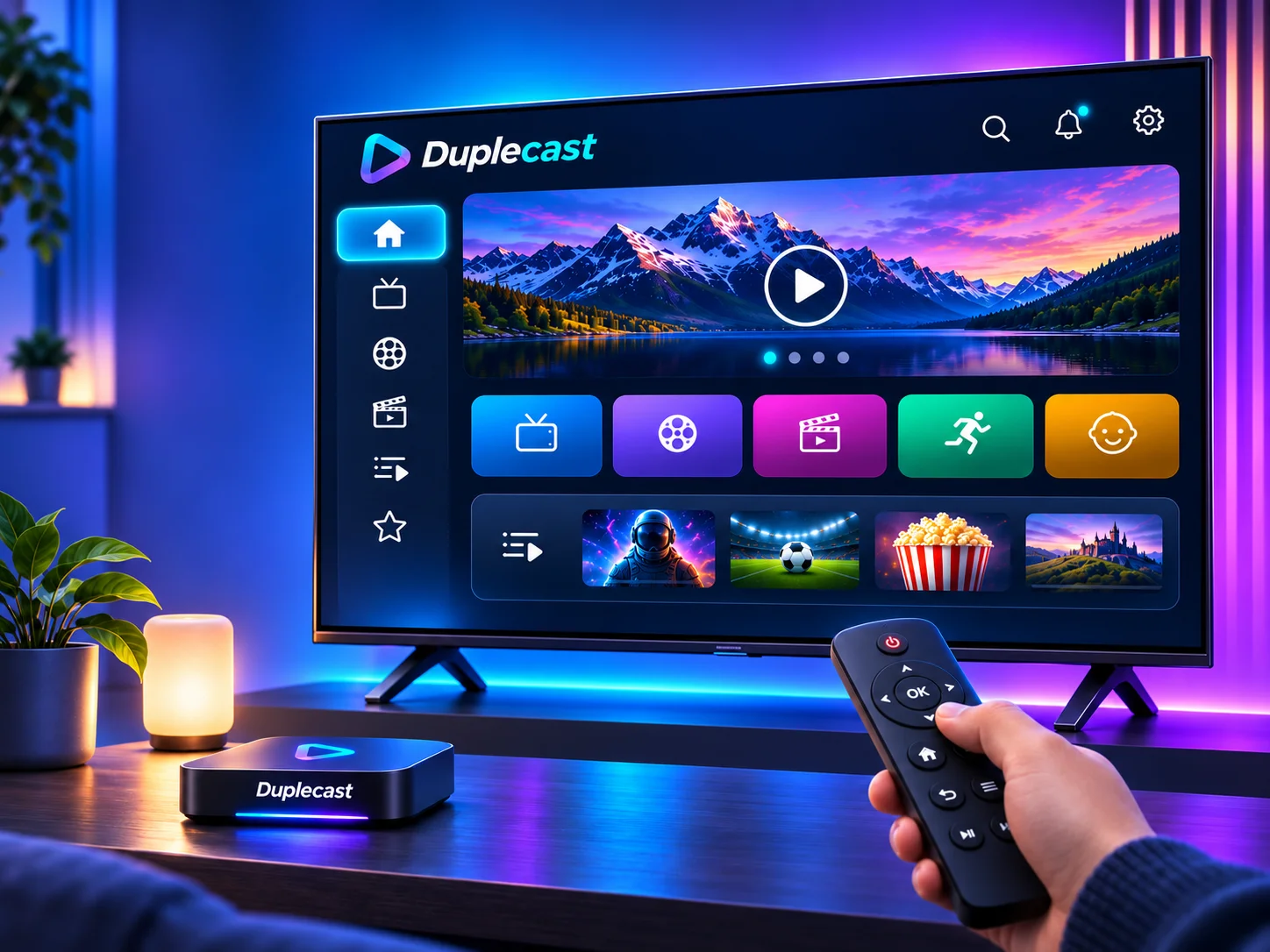
The growth of internet-connected televisions has created new ways for audiences to watch video without relying entirely on traditional broadcasting or paid streaming subscriptions. One important development is the rise of Free Ad-Supported Streaming Television (FAST), which gives viewers access to scheduled television channels over the internet at no direct subscription cost. Instead of paying a monthly fee, audiences watch programmes alongside advertising.
FAST channels are changing how digital television is distributed, funded, and consumed. Their familiar channel-based format combines elements of traditional television with the flexibility of online streaming. Understanding how this model works helps explain why advertisers, content providers, and viewers are paying attention to ad-supported television.
What Are FAST Channels?
FAST channels are internet-based television channels that provide scheduled programming without charging viewers a subscription fee. The acronym stands for Free Ad-Supported Streaming Television. Viewers typically access these channels through smart TV platforms, streaming devices, or compatible applications.
Unlike conventional video-on-demand services, FAST channels generally follow a linear schedule. A viewer selects a channel and watches whichever programme is currently being broadcast rather than choosing every film or episode individually. The channel may focus on a particular subject, such as films, news, documentaries, cooking, or classic television programmes.
This format makes digital television feel familiar to people who are accustomed to browsing a traditional electronic programme guide. At the same time, internet delivery allows viewers to access channels through connected devices without requiring a conventional cable or satellite television connection.
How FAST Channels Differ From Other Streaming Services
FAST is part of a wider group of advertising-supported streaming approaches, but it is not identical to every free or paid streaming service. Advertising-based video on demand (AVOD), for example, allows users to select individual programmes or films from an on-demand library while advertisements help fund the service.
FAST channels instead organise content into scheduled streams. This creates a viewing experience closer to traditional television, even though the content is delivered through internet infrastructure.
Consumers comparing free streaming platforms with paid services should understand how subscription models differ in terms of access, content selection, advertising, and simultaneous viewing. Some internet television services operate through paid plans, while FAST platforms rely primarily on advertising revenue. The right arrangement depends on viewing preferences, available content, and tolerance for commercial breaks.
How Advertising Supports Free Streaming
Advertising is the main revenue source behind most FAST platforms. Rather than collecting regular subscription payments from viewers, the platform sells advertising space around its programming.
Advertisements may appear before a programme, during scheduled breaks, or between individual pieces of content. The platform can organise these placements according to the channel’s schedule and the available advertising inventory.
Some services also use digital advertising systems that can help advertisers reach particular audience groups. Depending on the platform and applicable privacy rules, this may involve contextual information, device signals, or other permitted data.
For advertisers, connected television provides an opportunity to combine the visual format of television commercials with some of the measurement capabilities associated with digital advertising. However, advertising availability, targeting options, and reporting quality differ between platforms.
Why FAST Channels Appeal to Viewers
One of the main attractions of FAST channels is that viewers can watch without paying a separate monthly subscription for access. This can be useful for people who want additional entertainment but do not want to add another recurring expense.
The scheduled format also makes programme discovery relatively simple. Instead of spending time searching through a large library, viewers can browse channels and find something already playing.
FAST services may also offer specialised programming that appeals to particular interests. A viewer interested in documentaries, older television programmes, or a specific entertainment category may find channels organised around those subjects.
However, free access does involve trade-offs. Viewers generally have less control over programme timing, and advertising interruptions are part of the experience. The available channel selection may also differ by country because of content rights and distribution agreements.
What FAST Means for the Swedish Television Market
Swedish audiences have access to a mix of terrestrial broadcasting, pay-TV services, and internet-based entertainment platforms. FAST channels add another distribution option by allowing television content to reach viewers through connected devices.
Local availability is an important consideration. A channel accessible in one country may not be available in Sweden because broadcasters and distributors often operate under territorial licensing agreements. Language, programme rights, and advertising arrangements can also influence which channels are offered.
For Swedish viewers, it is useful to check whether a platform provides Swedish-language programming, local news, or content relevant to regional interests. They should also review the service’s privacy information and understand how advertising is delivered.
The growth of FAST does not mean that paid television services will disappear. Instead, free and paid formats can serve different needs within the same household. Some viewers may prefer scheduled channels for casual entertainment while using paid services for specific programmes or viewing features.
Challenges Facing Ad-Supported Streaming
Despite its accessibility, the FAST model has several challenges. Content licensing is one of the most important because platforms need appropriate distribution rights before making programmes available. Securing and maintaining these rights can affect channel selection and operating costs.
Advertising quality is another concern. Excessive repetition, poorly timed breaks, or irrelevant advertisements can make the viewing experience frustrating. Platforms need to balance advertising revenue with audience satisfaction.
There are also technical requirements. Smooth playback depends on reliable internet connectivity, suitable applications, compatible devices, and effective content delivery infrastructure. Weak network performance can interrupt viewing regardless of whether the channel is free or paid.
Privacy and transparency matter as well. Platforms should explain how advertising works and what information may be used for personalisation or measurement. European data protection requirements, including the General Data Protection Regulation, are relevant when services process personal information.
How FAST Could Influence the Future of Digital Television
FAST channels demonstrate that internet television does not have to depend entirely on monthly subscriptions. By combining scheduled programming with digital advertising, they provide another way for content owners and distributors to reach audiences.
Future developments may include better programme discovery, improved advertising measurement, more specialised channels, and closer integration with smart TV interfaces. These changes could make free streaming more convenient while giving advertisers additional ways to present relevant content.
However, the long-term success of the model will depend on more than the number of channels available. Content quality, licensing arrangements, responsible advertising, and reliable technology will remain important.
Conclusion
FAST channels are reshaping digital television by bringing scheduled, advertising-supported programming to internet-connected devices. Their familiar channel format offers an alternative to both traditional broadcasting and subscription-based on-demand platforms.
For Swedish viewers, the main considerations include local content availability, language, advertising frequency, privacy, and device compatibility. As digital distribution continues to evolve, FAST is likely to remain an important part of a television environment where free and paid viewing options exist alongside one another.