






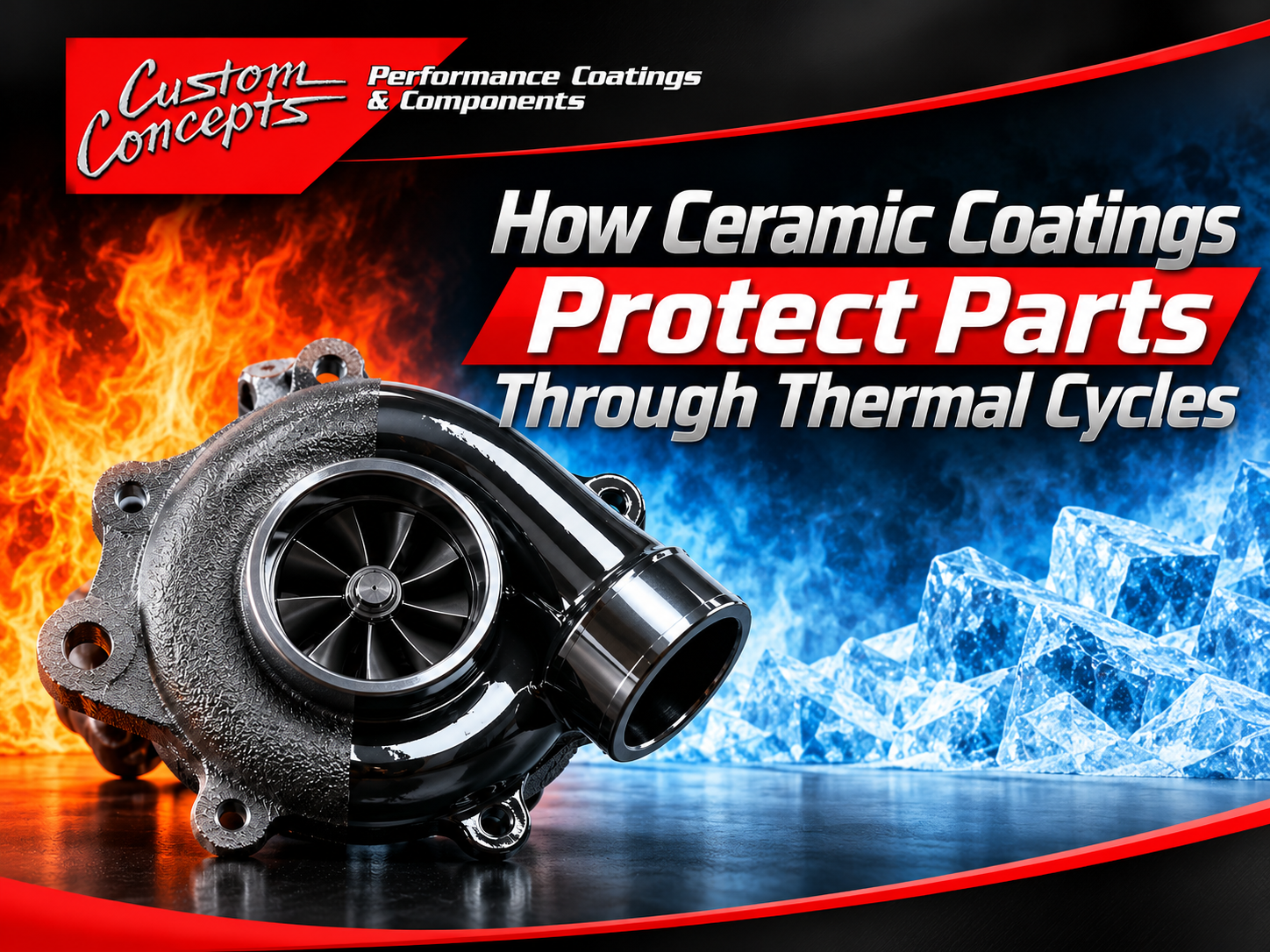
Does your exhaust system face constant heat, cooling, and sudden temperature changes? Over time, these conditions can put stress on metal parts, affect their surface condition, and increase the risk of corrosion. A properly selected ceramic coating header application can help protect these parts through repeated thermal cycles. It can also reduce radiant heat, protect nearby components, and support better performance in demanding conditions.
Why Do Repeated Thermal Cycles Create Problems for Metal Components?
Engine and exhaust components go through constant temperature changes. They heat up during operation and cool down when the engine stops. This repeated movement can place stress on both the metal and its protective surface.
Here is how advanced ceramic coatings help address these challenges.
Maintain Protection During Repeated Heating and Cooling
Metal expands when it gets hot and contracts as it cools. This happens during normal engine use and can place stress on a coating attached to the surface. A coating that cannot handle these changes may crack, peel, or lose adhesion over time.
Help Protect Metal Against Corrosion and Oxidation
High temperatures can speed up oxidation on exposed metal surfaces. Moisture, road salt, chemicals, and other contaminants can also contribute to corrosion, especially around vehicles and industrial equipment.
A quality ceramic coating creates a protective layer between the metal and its surroundings. This helps reduce direct exposure and supports longer-lasting surface protection. It is especially useful for exhaust manifolds, headers, turbo housings, and other parts that face both heat and harsh conditions.
Reduce Radiant Heat Around the Engine
Heat does not stay limited to the exhaust system. Hot headers and manifolds can transfer heat to nearby parts through radiation. This can affect wiring, hoses, plastic components, and other temperature-sensitive areas.
A suitable high-temperature ceramic coating can help reduce the heat radiated from exhaust surfaces. It helps keep more heat within the exhaust system while limiting heat transfer to surrounding areas. This can support lower underhood temperatures and reduce heat exposure for nearby components.
Support Better Exhaust Performance
Managing exhaust heat can also support engine performance. When a thermal barrier helps retain heat within the exhaust, it can support exhaust gas flow and reduce heat exposure around the engine.
This may help turbo systems and other performance-related parts work under better thermal conditions. However, a coating does not automatically add horsepower. Actual results depend on the engine setup, exhaust design, operating conditions, and coating system.
The main benefit is better heat management, which can support the performance of the complete system.
Protect Parts That Work Under High Heat
Exhaust headers are not the only parts that need heat protection. Turbocharger housings, exhaust manifolds, downpipes, and heat shields can all experience demanding temperatures.
A properly selected ceramic exhaust coating can help protect these components while supporting their intended function. The right product should match the metal type, operating temperature, and exposure conditions of each part.
How to Choose the Right Coating for Long-Term Part Protection
Not every coating is designed for the same job. Selecting the right system requires attention to temperature limits, material compatibility, application quality, and the actual needs of the component.
Do Not Confuse Ceramic Coating With Powder Coating
Both finishes have useful applications, but they serve different purposes. Powder coating is widely used for protective and decorative finishes on parts that operate within the coating’s rated temperature range.
A standard powder coating is not a direct substitute for a purpose-built exhaust ceramic coating. Headers and turbo components need a system designed to handle extreme heat, thermal cycling, and exhaust-related conditions. Choosing the right process helps avoid problems caused by using a finish outside its intended limits.
Pay Attention to Surface Preparation and Application
Even a high-quality coating needs a properly prepared surface. Dirt, oil, rust, and other contaminants can affect how well the coating bonds to the metal.
The application method and coating thickness also matter. A professional coating provider should understand the material, part design, and temperature requirements before selecting a system. Good preparation and proper application help support adhesion, durability, and consistent protection.
Consider the Long-Term Needs of Each Component
Different parts face different levels of heat, moisture, and wear. A header may need strong thermal protection, while a nearby component may need more focus on corrosion resistance.
Discuss the operating conditions, expected heat exposure, and protection goals before choosing a high-temp exhaust coating. Also, inspect coated parts during regular maintenance. Look for visible damage, corrosion, or changes that may need professional attention.
Conclusion
Repeated thermal cycles can challenge metal components through expansion, contraction, oxidation, and heat exposure. Advanced ceramic coatings help address these issues by supporting surface durability, corrosion protection, and better heat control. When the correct coating matches the component and its operating conditions, it can help protect valuable parts and support reliable performance over time.
Want better protection for your exhaust components? Talk with an experienced coating specialist to find a ceramic coating system that matches your parts, temperature needs, and performance goals.