






A smart pet feeder can keep a routine steady when work or travel pulls a renter away from home. The device dispenses food on a timer, sometimes through a phone app that reports each serving. Renters who use these machines often discover that the technology is only as reliable as its power supply and its cleanliness. Thinking through backup power and a regular cleaning schedule makes the feeder a helpful tool rather than a source of stress.
This article describes practical steps for setting up a smart feeder in a rented home. It covers power planning, placement, cleaning routines, and simple checks that keep the animal fed. The advice is general and does not recommend any product. Owners should always consult a veterinarian about diet and feeding needs for their particular pet.
Planning for Power Interruptions
Begin by checking whether the feeder runs on batteries, mains power, or both. Battery models should use fresh cells, and the owner should note the replacement date on a calendar. Mains models benefit from a surge protector and a socket that is not shared with other large appliances. A short list of backup options prevents a missed meal during a storm.
Readers may also want to visit tgdailynews.com. Those resources can show how a feeder reacts when power returns after a short blackout. Test the feeder during a planned outage if possible, so the reaction is known in advance. Knowing the behavior ahead of time removes a common source of worry.
Choosing a Placement the Lease Allows
Place the feeder on a stable surface away from heat sources, direct sunlight, and damp corners. Keep it out of reach of children and of other animals that might tamper with the mechanism. Check the lease for rules about fixtures or devices that are installed on walls or ceilings. A feeder placed on a removable tray is often the simplest way to respect those terms.
You can also visit recknews.com for more reading. Those images help the renter show that the space was returned in the same condition. Keep the mounting hardware in a labeled bag so it can be removed cleanly at move-out. A little planning protects the deposit and the relationship with the landlord.
Setting a Cleaning Schedule That Protects Health
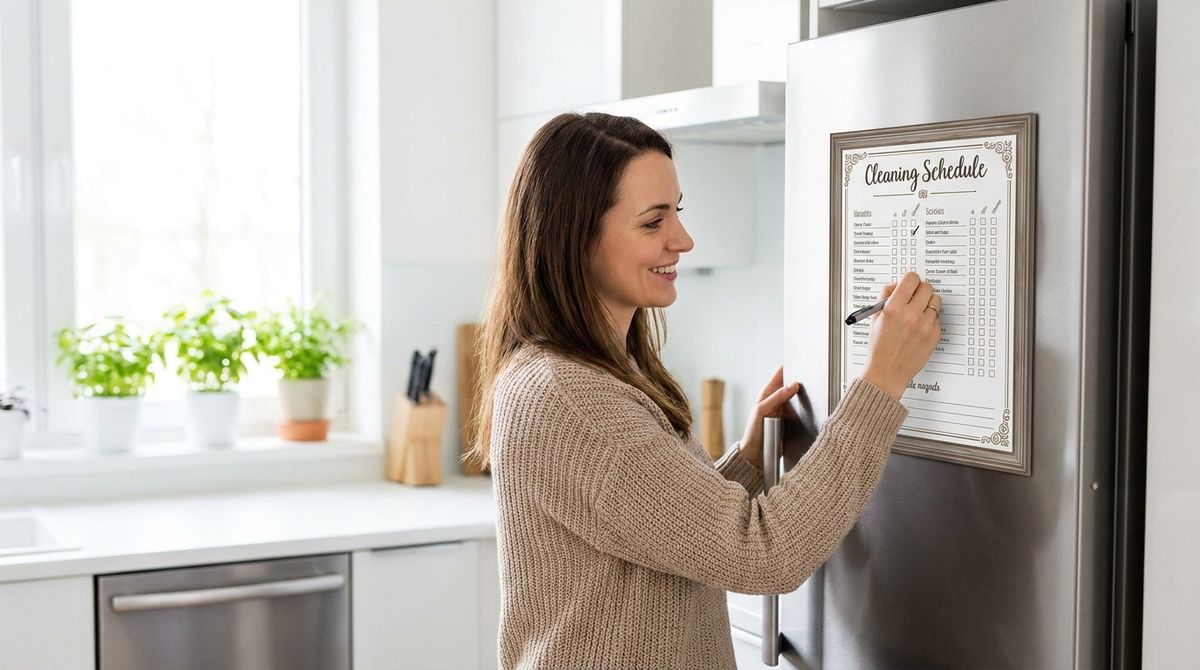
Food residue can build up inside a feeder quickly, especially in humid rooms. For a related read on this site, see Scaling a Soup Recipe in a Shared Spreadsheet. Plan a cleaning schedule that matches the feeder’s design, with a quick rinse each week and a deeper clean each month. Use warm water and a mild cleaner that the manufacturer approves, and rinse thoroughly afterward. Dry every part completely before refilling.
Keep a few spare parts on hand, such as a replacement bowl or a fresh lid seal, so cleaning does not leave the pet without food. Write the cleaning dates on the same calendar used for battery changes. A single schedule is easier to follow than several scattered reminders. Consistent cleaning keeps the feeder working and the food fresh.
Checking the App and Data Settings
Many smart feeders connect to a phone app that stores feeding history and sends alerts. Review the app settings and turn off any notification that is not useful to the owner. Use a strong, unique password and enable two-step verification if the app supports it. Protecting the account keeps the household routine private.
Remove the feeder from the app when the renter moves out or sells the device. Many people forget this step, which leaves old schedules and linked accounts behind. Keep a short note with the account name and the removal date so the process is easy to repeat. Careful account habits make the device safer for the next resident.
Testing the System Before Travel
Run a full test before leaving the home for a trip. Confirm that the schedule, the portion size, and the alerts match the plan written for the pet. Ask a neighbor or a pet sitter to check the feeder on the first day, since a quick visual check can catch a jam or a spill. A short test prevents an empty bowl from becoming a surprise.
Leave written instructions with the sitter that explain how to refill the feeder and how to reach the owner. Include the veterinarian’s contact details and the name of the pet’s usual food. Clear instructions protect the animal even if the technology fails. A well-prepared home runs smoothly whether or not the owner is nearby.
A Feeder That Serves the Household
A smart pet feeder can support a busy renter when power, placement, cleaning, and account settings are all handled with care. The device works best when it fits the lease, the schedule, and the animal’s real needs. Simple habits and clear notes make a steady routine possible for everyone in the home. Start with a test run and build the routine from there.