



Most landowners never think of their property as disaster recovery infrastructure, and most investors never think of a data center as something they can hold a direct stake in. Capacity like this has traditionally come from a handful of large operators who build, own, and run everything themselves. Containerized infrastructure is changing that. A renewable-powered recovery module can sit on land that would otherwise go undeveloped, opening a real way in for landowners and investors to build the recovery capacity healthcare, finance, and distributed enterprises increasingly need.
People Also Ask
Can landowners earn income from disaster recovery infrastructure?
Yes. A containerized recovery module can be sited on underused land with strong renewable potential, earning the landowner lease income without building or operating anything.
How do investors get involved in disaster recovery data centers?
Investors typically hold a stake through a project-level vehicle alongside the landowner, rather than financing an entire facility alone, with Flux Core handling engineering and operation.
Why Disaster Recovery Capacity Is Becoming a Land and Energy Opportunity
Demand for disaster recovery is climbing for reasons that go beyond any single industry. Organizations are expanding into more regions, regulators are tightening continuity requirements, and grid reliability is getting harder to count on in many areas. All three point toward the same need: more recovery capacity, distributed across more locations, built faster than a traditional site allows.
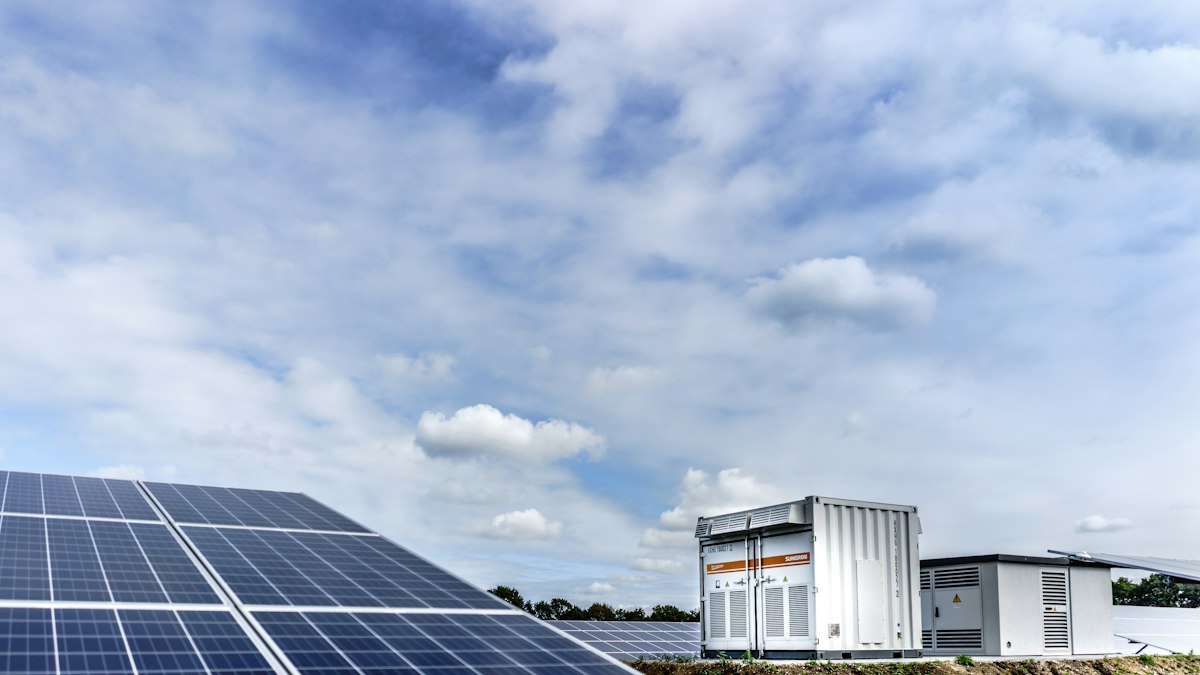
That demand intersects with an underused asset many landowners already hold: land with strong solar, wind, or other renewable resources and no obvious development use otherwise. A parcel that can’t support conventional construction can still generate meaningful power, and pairing that power with containerized compute turns an idle asset into income-producing infrastructure.
How Containerized Data Centers Deploy Faster Than Traditional Recovery Sites
A conventional data center build typically takes 18 to 36 months once you factor in permitting, construction, and grid interconnection. A containerized data center compresses that dramatically, since power, cooling, networking, security, and monitoring are integrated and tested before the module leaves the factory. Deployment reaches full operation in as little as 90 days.
That speed matters as much for the landowner and investor as for the customer: lease income and returns start accruing sooner, instead of sitting on a half-built site for years.
Siting Flexibility: Building Recovery Nodes Wherever Renewable Energy Is Available
Because containerized modules are standardized and portable, they aren’t limited to locations near existing data center infrastructure the way a traditional build is. Renewable energy data centers can sit wherever solar, wind, tidal, or biogas generation performs best, opening rural and overlooked regions to a recovery capacity market that has historically concentrated around major metro hubs.
That flexibility also supports the broader resilience case: spreading sites across a wider footprint, rather than concentrating them near hyperscale campuses, reduces the odds that one regional event compromises several sites at once.
Partnering With Flux Core as a Landowner or Investor
Flux Core structures these partnerships around long-term site leases rather than requiring landowners to build, finance, or operate anything themselves. The landowner keeps ownership and receives predictable lease income, while Flux Core designs, builds, and operates the facility. For sites with outside investors, Flux Core forms project-level special purpose vehicles with both parties, aligning everyone with a direct stake in performance.
Who Does What in a Flux Core Site Partnership?
- The landowner keeps title and collects lease income, with no construction or operating responsibility
- Investors, where involved, hold a stake through a project-level vehicle rather than financing the whole build alone
- Flux Core handles engineering, deployment, and day-to-day operation
This reflects the idea behind the company’s broader model: own the energy, monetize the data. Neither the landowner nor the investor needs to run a data center.
Revenue and Resilience: The Dual Value of a Distributed Recovery Network
A containerized recovery site earns in two directions. The landowner and investor earn through hosting revenue, Compute Purchase Agreements, energy arbitrage, and renewable-energy incentives. For enterprise customers, that same infrastructure adds a distributed node to their recovery footprint, reducing the single points of failure that come with one large facility.
Rather than one operator absorbing all the capital risk, the model spreads smaller sites across multiple landowners and investors, each earning from a facility that makes the network more resilient.
What to Expect When Developing a Recovery Site Partnership
A typical partnership begins with a site evaluation covering renewable potential, network proximity, and local permitting. From there, Flux Core structures the lease and, where investors are involved, the ownership arrangement. Because modules are pre-engineered and tested before shipping, on-site work is mostly placement and connection, keeping the timeline to months rather than years.
Three Questions That Decide Whether a Parcel Fits
- Does the site have meaningful renewable energy potential?
- Is it within reasonable reach of network infrastructure?
- Is the landowner open to a long-term lease rather than a sale?
Why This Model Is Worth a Second Look
Put it together and the shift is a simple one: land that never fit a conventional build, deployment measured in weeks rather than years, siting that follows the sun and wind instead of a metro map, and a partnership that asks nothing of the landowner beyond a signed lease. What used to sit idle becomes part of a growing disaster recovery network, earning for the people who own it. How Flux Core’s Renewable-Powered Infrastructure Delivers Resilient Disaster Recovery Solutions covers the architecture behind every site in that network.
Talk to Flux Core Data Systems & Energy Inc. about what your land could become.
Frequently Asked Questions
Do I need data center experience to lease my land for this?
No. Flux Core designs, builds, and operates the facility; the landowner just collects lease income.
What kind of land qualifies for a containerized recovery site?
Land with meaningful solar, wind, tidal, or biogas potential and reasonable reach to network infrastructure, even if it can’t support conventional construction.
How is this different from leasing to a traditional data center developer?
A containerized site deploys in as little as 90 days instead of 18 to 36 months, and can be sited on land a traditional developer would pass on.