





Introduction
Most home lighting plans begin and end with a single ceiling fixture, leaving walls bare once evening settles in. Wall lights fix this gap directly, adding a second layer of illumination that softens harsh overhead glare and introduces genuine depth to a room. A well-chosen wall lamp draws attention to architectural features, highlights artwork, or simply creates a quiet pool of warmth in a corner that would otherwise sit dim and forgotten. This guide walks through how to select wall lights that genuinely suit a room’s purpose, comparing different approaches to wall light design and explaining what separates a well-chosen fixture from one that merely fills an empty wall.
Why Wall Lights Deserve a Place in Every Room Plan
A ceiling fixture alone rarely provides the kind of layered lighting that makes a room feel genuinely finished once the sun goes down. Wall lights introduce a softer secondary source that reduces harsh shadows and adds warmth to spaces that would otherwise rely entirely on one overhead source throughout the evening hours.
The Difference Between Functional and Decorative Fixtures
Not every wall light serves the same purpose within a home. Some exist purely for function, keeping a staircase or hallway safe to walk through after dark. Others lean decorative, acting almost like a small piece of wall art that happens to emit light. Understanding which role a fixture needs to play before shopping prevents the common mistake of choosing something attractive that fails to actually light a space properly.
Matching Wall Light Design to Each Room’s Purpose
Wall light design should shift depending on the room it serves since a single fixture style rarely suits every space within a home equally well. Bedrooms generally call for softer warmer light positioned at a comfortable height for reading. Living rooms can handle slightly bolder designs that double as a visual feature alongside furniture and artwork.
Getting Placement Right for Hallways and Stairs
Staircases and hallways prioritize consistent, even brightness above all else since safety takes precedence over pure aesthetics in these transitional spaces. A slim, simple design usually works best positioned at regular intervals along a longer stretch of wall. Spacing fixtures too far apart leaves dark patches between them, while spacing them too closely can feel repetitive and overdone.
Choosing the Right Wall Lamp Height and Position
Placement affects performance just as much as the fixture itself. A wall lamp mounted too high loses its intended warmth and fails to properly illuminate the area below it. One mounted too low can feel intrusive or create awkward shadows across furniture and walkways nearby.
Testing Placement Before Permanent Installation
Marking a few different heights on the wall with tape before committing to permanent installation helps confirm the right spot without guessing or needing later adjustments. This small step saves considerable effort compared to repositioning a fixture after the wiring work has already been completed.
Exploring Modern and Classic Wall Light Styles
Modern wall lights use clean lines, simple shapes and finishes like brushed steel or plain glass that avoid feeling busy or overly decorative. These suit homes built around a minimal style where the goal is keeping every room feeling calm and uncluttered from one space to the next.
The Enduring Appeal of Classic Wall Lights
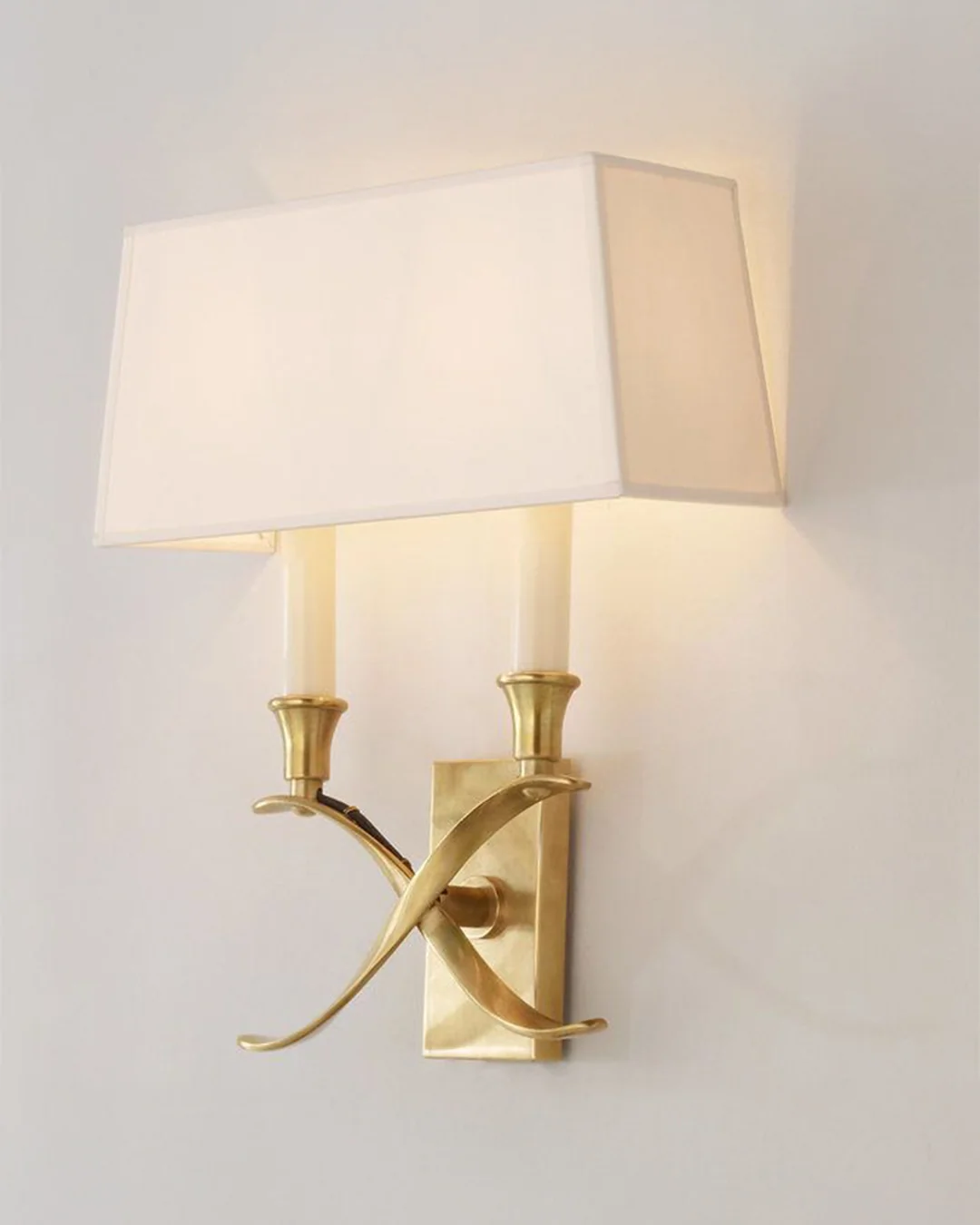
Classic wall lights bring in curved metal arms, patterned glass shades and warmer finishes such as brass or bronze that add real character to any wall. These suit homes with a traditional feel where depth and richness matter more than restraint throughout the overall space. One or two well-placed classic fixtures usually leave a stronger impression than filling an entire room with heavily detailed pieces.
How Red Line Collection Designs Every Fixture
Red Line Collection is a home interior design brand based in Lahore that builds every wall lamp around the specific wall and room it belongs to rather than offering only a fixed set of standard sizes. Each piece uses wood brass steel iron or glass chosen to match both the room’s purpose and the character of the home around it. The focus throughout stays on careful craftsmanship and proper finishing so each fixture performs reliably once installed rather than requiring early replacement.
Matching Your Wall Lamp to Existing Decor
A wall lamp needs to feel like part of the room it hangs in rather than something added separately after everything else was already decided. Homes with mostly modern furniture generally pair better with modern wall lights, while homes with more traditional pieces usually suit classic designs carrying similar detail throughout the space.
Creating a Cohesive Lighting Scheme
Choosing a consistent wall light design across connected rooms helps a home feel genuinely unified rather than assembled from unrelated pieces chosen at different times without any shared direction. This consistency matters particularly in open layouts where multiple rooms remain visible from a single vantage point.
Final Thoughts on Choosing Wall Lights
Selecting the right wall lights ultimately comes down to understanding a room’s specific needs before considering style alone. Whether a home calls for the understated simplicity of modern designs or the rich character of classic wall light design, the strongest results come from fixtures chosen with genuine purpose and placement in mind. A thoughtfully selected wall lamp does more than illuminate a space; it shapes how that space feels every single evening once the lights come on.