




Restaurants want their food to look appealing, but safety should always come first. A package can have an attractive design while still being clean, practical, and suitable for food contact.
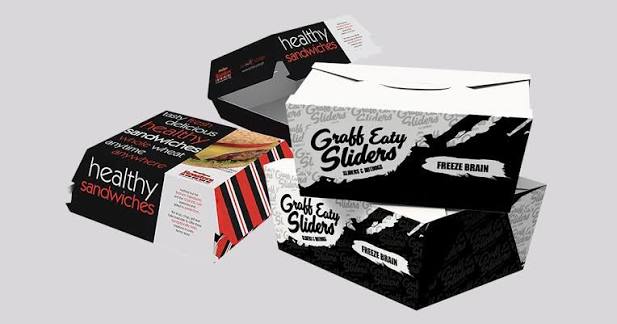
The best packaging choices combine appearance with function. Fast food boxes packaging can be designed with simple colors, logos, or patterns while still providing the protection needed for burgers, fries, sandwiches, and other meals.
Put Food Safety First
Food packaging has a direct connection with the meal it holds. Materials should be suitable for their intended food use and handled properly before they reach the customer.
Restaurants should work with packaging that is made for food service. Staff should also keep unused packaging protected from dirt, moisture, and other sources of contamination.
A good-looking package is only useful when it also supports safe food handling.
Choose Suitable Materials
Different foods can place different demands on packaging. Greasy, hot, or moist foods may need materials that can handle those conditions.
Restaurants should consider the type of food, temperature, moisture, and expected travel time when selecting packaging.
The material should be strong enough to protect the meal without creating unnecessary problems during storage or delivery.
Keep Designs Simple
Attractive packaging does not require a complicated design. A clean logo, a few brand colors, and a simple pattern can create a professional appearance.
Simple designs also leave enough space for important information.
Restaurants should make sure that labels, handling instructions, allergen information, and other necessary details remain clear and easy to read.
Make Sure Printing Is Appropriate
Printing is an important part of branded food packaging. Restaurants should make sure that printed areas and inks are appropriate for the intended packaging use.
Design elements should not interfere with areas where food makes direct contact unless the material and printing process are designed for that purpose.
Working with experienced packaging providers can help businesses understand the right options for their needs.
Protect Food During Transportation
Food safety does not end when a meal leaves the kitchen. Takeout orders may travel in cars, delivery bags, or other environments before reaching the customer.
Packaging should help protect food from outside contamination and accidental spills.
Secure closures and properly sized containers can also prevent food from moving too much during delivery.
Control Heat and Moisture
Temperature and moisture can affect both food quality and packaging performance.
Hot food can produce steam, which may make some foods soft or cause moisture to build inside a container.
Restaurants should choose packaging based on the food they serve. Foods that need ventilation may require different packaging from meals that need stronger heat retention.
Keep Packaging Stored Properly
Even suitable packaging can become a problem if it is stored incorrectly.
Boxes, wrappers, bags, and containers should be kept in clean and dry storage areas. They should remain protected until they are ready to use.
Staff should also avoid placing food packaging directly on dirty floors or other unsuitable surfaces.
Train Staff on Safe Handling
Employees play an important role in maintaining food safety.
Staff should know how packaging should be stored, handled, and used. They should also understand which materials are intended for specific menu items.
Simple training can reduce mistakes and help everyone follow the same process during busy service periods.
Test Packaging Before Large Orders
Restaurants should test packaging with real food before committing to large quantities.
Testing can show whether a container holds heat well, handles moisture, closes securely, and protects the food during delivery.
It can also reveal whether the design looks good when the package is filled rather than empty.
Keep Convenience in Mind
Safe packaging should also be easy for customers to use.
Customers should be able to open containers without unnecessary struggle. Packaging should also be easy to carry and strong enough to prevent accidental spills.
A package that combines safety, convenience, and attractive design can create a better overall experience.
Balance Branding and Function
Branding should support the package rather than take over its purpose.
A restaurant can use its logo, colors, and design style while keeping the packaging practical. The food should remain protected, important information should stay readable, and the package should be easy to handle.
This balance helps create a professional appearance without sacrificing useful features.
Conclusion
Attractive packaging and food safety do not have to compete. Restaurants can achieve both by choosing suitable materials, using simple designs, handling packaging correctly, and testing products under real conditions.
Using custom branded packaging can help a restaurant create a recognizable appearance while still focusing on practical food protection. The strongest packaging choices are those that look good, work well, and support safe handling from the kitchen to the customer.