



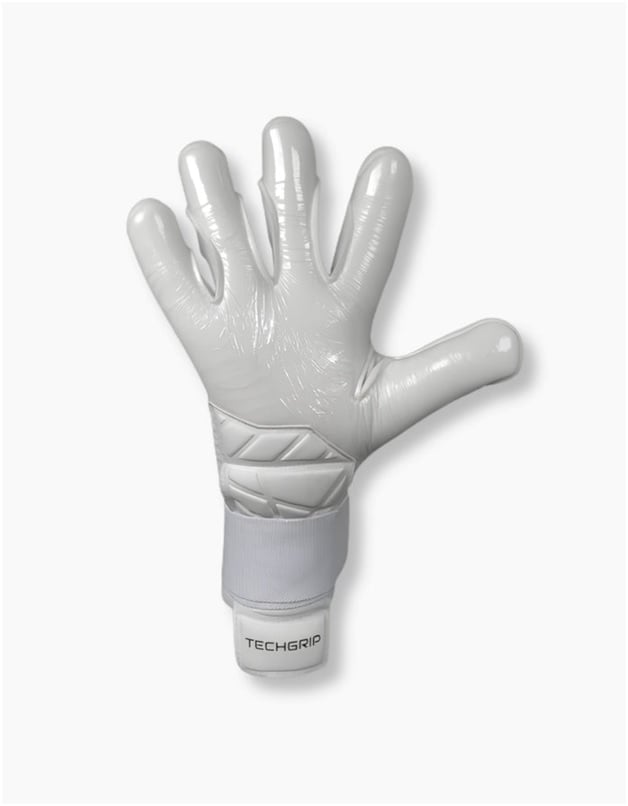
A goalkeeper depends heavily on their hands. Every save, catch, punch, and deflection requires confidence in the gloves being worn. The right pair can provide useful grip, comfortable movement, and support during training or competitive matches.
Choosing goalkeeper gloves is not simply about appearance. Factors such as fit, palm design, flexibility, playing conditions, and the age of the player can all influence the overall experience. A thoughtful choice can help players feel more comfortable and prepared every time they step onto the field.
Why Glove Selection Matters
Goalkeepers face different situations throughout a match. They may need to catch a powerful shot, collect a low ball, react quickly to a deflection, or push the ball away from danger.
The gloves should allow natural hand movement while providing suitable grip and protection. A poor fit can affect confidence and make handling the ball more difficult.
Players should therefore look beyond the design and consider how the gloves match their playing style and individual needs.
Understanding Negative Cut Designs
A negative cut is designed to provide a close and snug fit around the hand. The internal stitching can help create a more streamlined feel, which many players appreciate when they want a closer connection between their hands and the ball.
This type of construction may be particularly appealing to goalkeepers who value flexibility and a precise feel. However, comfort and sizing remain important because every hand is different.
When comparing options such as the best negative cut goalkeeper gloves, players should consider the fit, palm characteristics, flexibility, and conditions in which they normally play.
Finding the Right Fit
Goalkeeper gloves should fit securely without causing unnecessary pressure. Fingers should have enough room for natural movement, while the glove should not feel excessively loose around the hand.
A suitable fit can help the goalkeeper maintain better control when catching or holding the ball. It can also make the gloves more comfortable during extended training sessions and matches.
Young players may need particular attention when selecting a size because their hands are still growing. Parents and coaches can help by checking measurements and considering the manufacturer’s sizing guidance.
Choosing Gloves for Younger Players
Young goalkeepers need gloves that support both comfort and confidence. Gloves that feel too large can make ball handling difficult, while gloves that are too tight can restrict natural movement.
Good junior goalkeeper gloves should provide a suitable balance between fit, flexibility, grip, and comfort. The choice should also reflect the player’s age, hand size, experience, and playing environment.
For developing players, comfort can be especially important because they are still building basic goalkeeping techniques and learning how to handle different types of shots.
Grip and Ball Control
Grip is one of the most important considerations for any goalkeeper. A reliable palm can help the player catch and control the ball more confidently.
However, grip performance can vary depending on weather, playing surface, ball condition, and glove care. Players should understand that no glove can provide identical performance in every situation.
Regular cleaning and proper storage can also help maintain glove condition. Following the care guidance provided with the gloves is a simple way to support their performance over time.
Comfort During Training and Matches
Goalkeepers can spend considerable time wearing their gloves, especially when training regularly. Comfort therefore matters just as much as appearance.
A glove that allows natural finger movement can make it easier to practise catching, diving, throwing, and other techniques. Breathability and overall construction may also affect how comfortable the gloves feel during longer sessions.
Players should pay attention to how the glove feels during movement rather than choosing a pair based only on visual appeal.
Selecting Gloves for Playing Conditions
Playing conditions can influence glove performance. A goalkeeper who regularly plays outdoors may encounter different conditions from someone who trains indoors.
Wet weather, dry surfaces, different ball types, and varying temperatures can all affect handling. Players should consider where and when they normally play before choosing their gloves.
For young players, junior goalkeeper gloves should also be selected with their regular training and match environment in mind.
Making a Confident Choice
The ideal goalkeeper glove is one that matches the player’s hands, playing style, experience, and regular conditions. There is no single design that will suit every goalkeeper.
Players who prefer a close fitting feel may want to explore options among the best negative cut goalkeeper gloves while paying attention to sizing and palm characteristics. Younger players should focus on finding gloves that provide comfort and allow them to develop their skills naturally.
Taking a little time to compare fit, grip, flexibility, and intended use can make the selection process much easier. With the right gloves on their hands, goalkeepers can focus more confidently on reading the game and making the next save.