





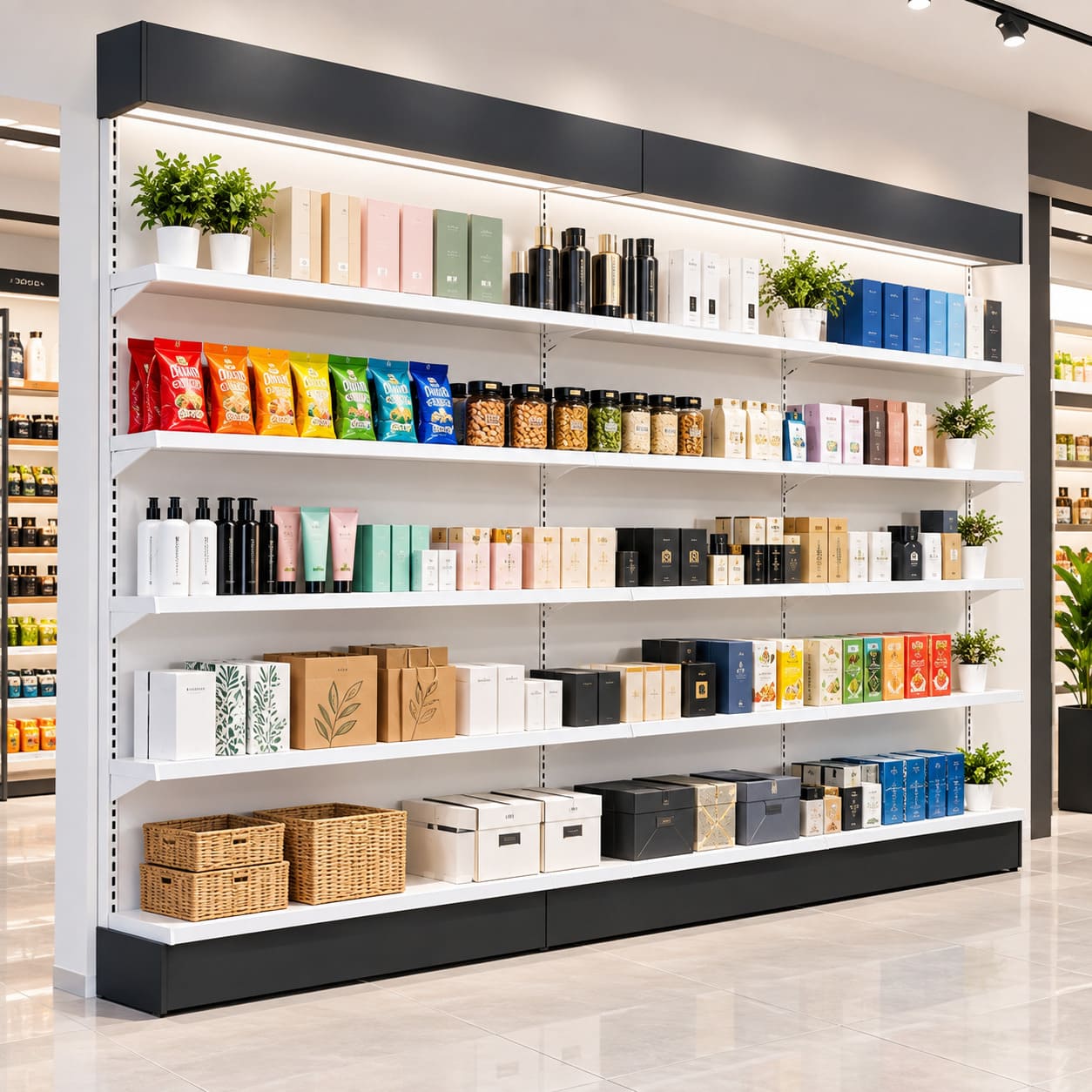
Wall shelving is a practical way to make better use of available space while keeping everyday items organised and easy to access. From homes and offices to shops, warehouses, and commercial spaces, the right shelving can improve storage without taking up valuable floor area. In the UK, wall shelving is available in a wide range of sizes, materials, styles, and finishes, making it easy to find an option that suits both your space and storage needs.
Whether you need shelves for books, decorative items, products, files, or equipment, choosing the right wall shelving starts with understanding how you plan to use it. A well-designed shelving system can combine storage, presentation, and functionality in one simple solution.
How Does Wall Shelving Improve Your Available Space?
One of the biggest advantages of wall shelving is that it uses vertical space. Instead of filling a room with cabinets or freestanding storage units, wall-mounted shelves allow you to use areas that might otherwise remain empty.
This makes wall shelving particularly useful in smaller rooms, offices, retail stores, and workspaces where floor space is limited. Shelves can be installed above desks, counters, workstations, or other furniture to provide additional storage without creating unnecessary clutter.
Wall shelving can also make frequently used products and belongings easier to reach. When items are arranged clearly, it becomes simpler to find what you need and maintain an organised environment.
How Do You Choose the Right Type of Wall Shelving?
The best wall shelving depends on the purpose of the space. Different products are designed to handle different levels of use, weight, and presentation requirements.
Floating shelves are a popular choice for modern interiors. They have a clean appearance and are often used for books, ornaments, photographs, plants, and other lightweight items.
Wooden wall shelves provide a warm and natural appearance. Oak, timber, and other wood finishes can work particularly well in homes, offices, cafés, and hospitality environments.
Wall-mounted shelving units are useful when you need several levels of storage. Multiple shelves can create a structured system for organising documents, products, tools, or household items.
Display shelving is designed with presentation in mind. Retailers can use these shelves to arrange merchandise where customers can see products clearly.
Heavy-duty wall shelving is suitable for areas where stronger storage is required. These systems are often used in workshops, stockrooms, commercial environments, and other demanding spaces.
How Can Wall Shelves Be Used in Different Rooms?
Wall shelving isn’t limited to one type of property. With the right design, it can work in almost any room or commercial setting.
In a living room, shelves can display books, artwork, photographs, ornaments, and decorative accessories. They can also help keep media equipment and smaller belongings organised.
In a bedroom, wall shelves can provide storage for personal items without taking up floor space. Smaller shelving can be useful beside a bed, dressing area, or wardrobe.
In a kitchen, shelves can hold cookware, jars, dishes, spices, and frequently used utensils. Open shelving also makes everyday kitchen items easy to access.
In an office, wall shelving can store folders, stationery, books, equipment, and documents. Keeping these items off desks can create a cleaner and more productive workspace.
In a retail environment, display shelves can be used to present products neatly and make better use of wall space. A well-organised display can also make it easier for customers to browse products.
How Do You Select the Right Shelf Material?
Material is another important consideration when choosing wall shelving in the UK. The right material should match the appearance of the room while providing the strength required for the intended use.
Wood is a popular option for its natural appearance and versatility. It works well in traditional, contemporary, and rustic interiors.
Metal shelving is often chosen for its durability and strength. It can be particularly useful for commercial, industrial, and storage applications.
Laminate and manufactured boards can offer a practical and cost-effective option for general storage. They are available in different colours and finishes to suit various interiors.
When selecting a material, consider the weight of the items, how frequently the shelves will be used, and the overall look you want to achieve.
How Much Weight Can Wall Shelving Hold?
The weight capacity of wall shelving depends on several factors, including the shelf material, brackets, fixing system, shelf dimensions, and wall construction.
Before installing shelves, check the manufacturer’s recommended load capacity. Heavy items should only be placed on shelving designed to support their weight.
The type of wall also matters. Brick, concrete, plasterboard, and other surfaces may require different fixing methods. Using suitable brackets and fixings can help improve stability and safety.
For commercial or heavy-storage applications, it’s worth choosing a shelving system specifically designed for higher loads rather than relying on standard decorative shelves.
How Can You Make Wall Shelving Look Stylish?
Wall shelving doesn’t have to be purely functional. With thoughtful placement and styling, shelves can become an attractive feature within a room.
Try grouping similar items together while leaving enough open space between objects. Combining books with plants, framed photographs, decorative pieces, or small storage boxes can create a balanced appearance.
For a modern interior, simple floating shelves with clean lines can provide a minimalist look. Wooden shelving can create a warmer atmosphere, while metal shelving can suit contemporary or industrial-inspired spaces.
In retail settings, consistent product placement and clear spacing can help create an organised display that draws attention to key products.
How Can You Install Wall Shelving Safely?
Before installation, measure the available wall area carefully. Check the shelf length, depth, height, and position to ensure it fits comfortably within the space.
Mark the fixing points accurately and use appropriate brackets and wall fixings. Where possible, identify suitable structural points behind the wall surface. Make sure shelves are level before fully tightening the fixings.
For larger, heavier, or commercial shelving systems, professional installation can be a sensible choice. A properly installed shelving system can provide better stability and long-term performance.
How Can You Find the Best Wall Shelving in the UK?
When comparing wall shelving products, don’t focus only on price. Look at the shelf dimensions, material, weight capacity, finish, fixing system, and intended application.
It’s also useful to consider whether you need standard shelving or a more customised solution. Businesses with unusual wall dimensions or specific storage requirements may benefit from bespoke shelving designed around their available space.
For businesses looking for practical storage and display solutions, Shop Solutions Midlands provides another option to consider when planning commercial shelving requirements.
How Can Wall Shelving Improve Your Storage?
The right wall shelving can make a noticeable difference to organisation, presentation, and available space. By using vertical areas effectively, shelves can reduce clutter while keeping important items visible and accessible.
From floating shelves and wooden wall shelves to heavy-duty storage and retail display systems, there are options for almost every requirement. The key is to select shelving based on the space, intended use, load requirements, material, and overall design.
If you’re planning a home improvement project, office upgrade, retail display, or commercial storage area, choosing suitable wall shelving can help you create a space that’s practical, organised, and visually appealing. Read more: Retail Equipment UK