






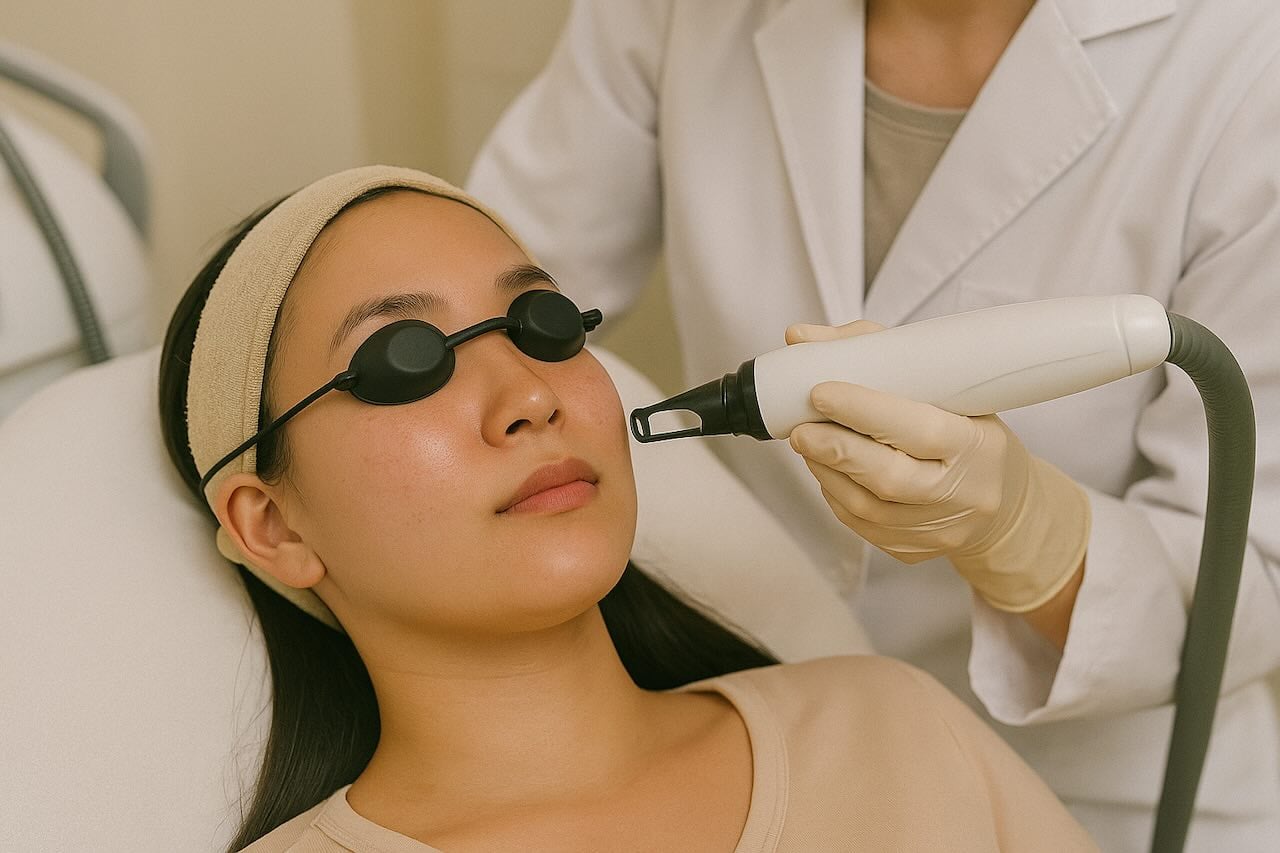
Achieving a radiant, youthful, and even-toned complexion is a primary goal for individuals exploring modern skincare solutions. As non-invasive aesthetic technologies advance, Pico Laser Treatment in Abu Dhabi has emerged as a prominent option for revitalizing dull, aging, or uneven skin without extended recovery periods. By utilizing ultra-short bursts of energy measured in trillionths of a second, this approach targets underlying structural and pigment concerns while keeping the outer surface of the skin intact. Understanding how this technology operates, the specific concerns it addresses, and the realistic outcomes it delivers helps determine whether it aligns with personal skin rejuvenation goals.
-
Core Focus: Evaluating the value, mechanism, and effectiveness of picosecond laser technology for comprehensive facial and skin revitalization.
-
Primary Advantage: Delivers visible improvements in tone, texture, and firmness through ultra-fast energy pulses rather than prolonged surface heat.
-
Reader Takeaway: Provides a clear breakdown of how the procedure works, its targeted aesthetic benefits, and what to expect during the renewal process.
Understanding Picosecond Laser Technology
To evaluate whether this rejuvenation method is worthwhile, it helps to look at what sets it apart from conventional light-based therapies. Traditional resurfacing lasers rely primarily on photothermal energy—essentially using sustained heat to vaporize outer skin layers or heat pigment until it breaks down. While effective, heat-heavy methods often require longer recovery windows. Picosecond technology shifts the paradigm by delivering energy in pulses that are one thousand times faster than older nanosecond systems.
-
Ultra-Short Pulse Duration: Energy is emitted in picoseconds, drastically reducing the time the laser remains in contact with skin tissue.
-
The Photoacoustic Effect: Instead of relying on thermal buildup, the rapid delivery creates a gentle pressure wave—known as a photomechanical or photoacoustic effect—beneath the skin surface.
-
Preservation of Surrounding Tissue: Because heat does not have time to spread outward, adjacent healthy skin cells remain undisturbed.
How Pressure Waves Stimulate Natural Skin Renewal
The mechanical pressure waves generated by picosecond pulses perform two simultaneous actions beneath the epidermis. First, they shatter unwanted pigment clusters into microscopic, dust-like particles that the body’s natural lymphatic system can easily clear away. Second, when paired with specialized fractional lenses, the energy creates tiny, controlled microscopic zones beneath the surface—a process known as Laser-Induced Optical Breakdown.
-
Cellular Signaling: These microscopic pressure zones alert the body’s natural repair mechanisms without causing open wounds or surface peeling.
-
Fibroblast Activation: Specialized skin cells called fibroblasts respond to the mechanical stimulus by ramping up the production of structural proteins.
-
Gradual Remodeling: Over the following weeks, fresh tissue replaces older, damaged structural fibers from the inside out.
Key Skin Rejuvenation Benefits
The true value of any aesthetic procedure lies in its versatility and ability to target multiple signs of aging and environmental wear at once. Because picosecond energy works across both superficial and mid-dermal layers, it addresses a wide spectrum of textural and tonal concerns in a unified session.
-
Multi-Dimensional Improvement: Simultaneously targets discoloration, surface roughness, and loss of elasticity.
-
Non-Ablative Comfort: Delivers deep structural remodeling without stripping away the protective outer barrier of the skin.
-
Broad Suitability: Effective across a wide variety of skin tones and types due to minimal thermal transfer.
Collagen and Elastin Production for Fine Lines
Collagen provides the skin with foundational strength and volume, while elastin gives it the ability to bounce back into place. Over time, natural aging and sun exposure deplete both proteins, leading to fine lines, crepiness, and mild laxity. Picosecond laser energy stimulates the synthesis of both Type I and Type III collagen alongside fresh elastin fibers.
-
Plumping Fine Lines: Newly formed dermal collagen fills in shallow creases around the eyes, mouth, and forehead.
-
Enhanced Firmness: Increased elastin restores natural recoil, giving the complexion a subtly lifted, firmer appearance.
-
Preventative Anti-Aging: Regular collagen stimulation helps maintain skin thickness and resilience against future creasing.
Clearing Hyperpigmentation and Sun Damage
Uneven skin tone—characterized by sunspots, freckles, age spots, and lingering dark marks—often makes the complexion appear older and fatigued. Conventional treatments sometimes struggle to break down stubborn melanin clusters without irritating surrounding skin. The photoacoustic shockwave of a picosecond laser fragments excess melanin into minuscule particles that fade progressively.
-
Targeted Melanin Breakdown: Precisely shatters concentrated pigment spots while leaving normal skin tone untouched.
-
Brighter Complexion: Eliminates dullness and blotchiness, resulting in clearer, more luminous skin.
-
Even Tone Distribution: Helps balance overall melanin distribution for a uniform, radiant finish.
Refining Enlarged Pores and Uneven Texture
Rough skin texture, mild acne scarring, and visibly dilated pores are common concerns that topical skincare products alone rarely resolve completely. By remodeling the supportive collagen network surrounding hair follicles and scar tissue, picosecond energy smooths out surface irregularities.
-
Pore Tightening: Strengthened collagen walls around pores help constrict their appearance, creating a smoother canvas.
-
Scar Remodeling: Breaks down rigid fibrotic bands in shallow atrophic scars, encouraging smoother, level tissue growth.
-
Refined Surface Feel: Replaces rough, uneven patches with soft, supple skin texture.
Comparing Pico Laser to Traditional Resurfacing Methods
When deciding if a treatment is worth the commitment, comparing it against traditional alternatives highlights its practical advantages. Older resurfacing techniques, such as ablative lasers or traditional nanosecond devices, often require significant trade-offs between efficacy and recovery time.
-
Speed of Energy Delivery: Picosecond pulses act faster than thermal relaxation times, preventing heat buildup.
-
Fewer Sessions Required: Because pigment shatters into finer particles, the body clears discoloration more rapidly, often reducing the total number of visits needed.
-
Minimal Disruption to Daily Life: Eliminates the prolonged peeling, crusting, or social downtime associated with aggressive resurfacing.
Efficiency and Comfort During Sessions
Modern lifestyles leave little room for lengthy recovery periods or uncomfortable procedures. A typical skin rejuvenation session using picosecond technology is brief, often lasting between fifteen and thirty minutes depending on the size of the area being addressed.
-
Quick Appointments: Fast pulse repetition allows full-face treatments to be completed efficiently.
-
Manageable Sensation: Most individuals describe the feeling as a light, rapid snapping sensation against the skin rather than intense heat.
-
Immediate Return to Routine: Mild pinkishness typically subsides within a few hours, allowing normal daily activities to resume right away.
What to Expect Throughout the Rejuvenation Journey
Understanding the timeline of results ensures realistic expectations. While many people notice an immediate surface brightness—often referred to as a post-treatment glow—deep structural rejuvenation is a biological process that unfolds over several weeks.
-
Progressive Enhancement: Skin clarity and firmness continue to improve between sessions as collagen matures.
-
Cumulative Results: Each subsequent session builds upon the cellular remodeling triggered by the previous one.
-
Customizable Approach: Energy modes can be adjusted to focus on overall brightening, deep spot correction, or textural smoothing.
Session Frequency and Long-Term Maintenance
A single session can refresh tired skin, yet a structured series yields the most transformative and lasting outcomes. Generally, a course of three to five sessions spaced several weeks apart allows the skin adequate time to clear fragmented pigment and synthesize new collagen.
-
Optimal Spacing: Allowing four to six weeks between appointments aligns with the skin’s natural cellular turnover and healing cycle.
-
Sustaining Results: Protecting the skin daily with broad-spectrum sunscreen preserves clarity and prevents new UV-induced pigment from forming.
-
Periodic Refreshers: Occasional maintenance sessions once or twice a year keep collagen production active and maintain a youthful glow.
Weighing the Overall Value for Skin Rejuvenation
Ultimately, determining whether picosecond laser rejuvenation is worth it depends on individual skincare priorities. For those seeking dramatic resurfacing for deep, severe folds in a single sitting, aggressive ablative methods remain an option—though they come with substantial downtime. Conversely, for individuals who want meaningful, visible improvements in skin tone, texture, pore size, and fine lines without interrupting their daily schedule, picosecond technology offers an exceptional balance of efficacy and convenience.
-
High Versatility: Addresses multiple signs of aging and sun damage simultaneously rather than requiring separate treatments for pigment and texture.
-
Natural-Looking Outcomes: Enhances the skin’s own regenerative capacity for gradual, authentic-looking radiance.
-
Long-Term Skin Health: Strengthens the dermal foundation over time, leaving the complexion smoother, clearer, and more resilient.
Frequently Asked Questions
How soon do skin rejuvenation results become visible after a Pico Laser session?
Many people notice a brighter, fresher complexion and a subtle glow within a few days of their first session as superficial dullness clears. Deeper improvements—such as faded dark spots, refined pores, and smoother fine lines—develop progressively over four to twelve weeks as the body clears shattered pigment and builds fresh collagen and elastin.
How many sessions are typically needed for complete skin rejuvenation?
While a single session provides noticeable brightening, a series of three to five sessions spaced four to six weeks apart is generally recommended for comprehensive skin rejuvenation. This schedule allows enough time for natural cellular turnover and collagen remodeling between visits, ensuring optimal, long-lasting improvements in both tone and texture.
Can Pico Laser help with both uneven skin tone and fine lines at the same time?
Yes, one of the primary advantages of picosecond technology is its ability to address multiple concerns simultaneously. Using specialized fractional handpieces, the pressure waves break apart excess melanin responsible for dark spots while simultaneously stimulating fibroblasts deep in the dermis to produce new collagen and elastin, smoothing out fine lines and refining skin texture.
How long do the skin rejuvenation effects of Pico Laser last?
With consistent daily sun protection and a healthy skincare routine, the rejuvenating results—including clearer tone, refined pores, and improved firmness—can last anywhere from one to three years. Because natural aging and environmental exposure continue over time, scheduling an annual maintenance session helps sustain collagen levels and preserve a radiant complexion.