



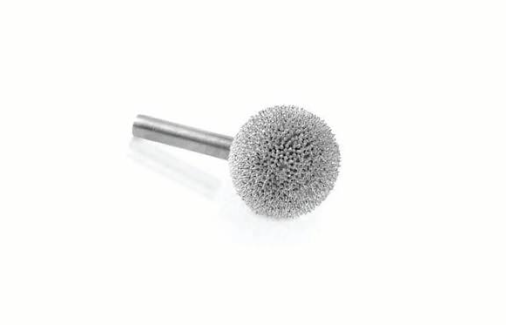
Tire repair requires careful preparation of the damaged area before repair materials are installed. Among the specialized tools used for smaller tire injuries, a nail hole reamer can help technicians prepare puncture channels and repair areas with controlled material removal.
Choosing the correct tool depends on the tire construction, injury type, repair method, and size of the damaged area. Understanding how a nail hole reamer differs from other tire preparation tools can help technicians select appropriate equipment and use it according to the intended application.
What Is a Nail Hole Reamer?
A nail hole reamer is a specialized tire repair tool designed to prepare certain puncture injuries before a repair is performed. It typically uses a shaft-mounted abrasive or cutting surface that allows technicians to work within smaller repair areas.
Rubberhog’s 1/4-inch shaft tool range includes a dedicated nail hole reamer identified as part number RH626. The manufacturer describes its 1/4-inch shaft tools as being intended for smaller tire repair areas, including skiving, texturing, repair-cavity cleaning, and small buzzout work. Its product information specifically identifies the nail hole reamer for bias tires.
This specialized shape allows technicians to reach areas that may be difficult to prepare with larger rotary tools.
How a Nail Hole Reamer Is Used
The purpose of a nail hole reamer is to assist with preparation of a tire injury for the applicable repair procedure. Proper preparation is important because contaminants, damaged rubber, or an inadequately prepared repair area can interfere with the repair process.
In professional tire repair, the general preparation process may involve:
- Identifying and assessing the injury
- Removing the foreign object when appropriate
- Inspecting the injury and surrounding rubber
- Preparing the repair channel or cavity
- Cleaning the area
- Applying the appropriate repair materials
- Following the repair material manufacturer’s procedure
The precise procedure depends on the type of tire and repair system being used. A reamer should therefore be treated as one part of a complete repair process rather than as a universal solution for every puncture.
Why Tool Size Matters
The size and shape of a tire injury can vary considerably. Using an oversized tool on a small repair area may remove more material than necessary, while a tool that is too small or unsuitable may not adequately prepare the injury.
The Rubberhog 1/4-inch shaft range includes several shapes, including spheres, tapers, a rotor saw, and the RH626 nail hole reamer. The manufacturer’s specifications list the RH626 with a 1/4-inch diameter, 3-inch head length, 1/4-inch shaft, and coarse 330 coating.
These differences illustrate why technicians should select a tool based on the specific preparation task rather than using the same tool for every tire injury.
Nail Hole Reamer vs. Tire Buffing Rasp
A nail hole reamer and a tire buffing rasp can both be used in tire repair environments, but they serve different preparation purposes.
A reamer is designed for smaller, more localized injury preparation. A rasp or larger buffing tool is generally used for preparing broader rubber surfaces, such as areas requiring texturing or material removal before a repair or retreading operation.
Tire buffing rasps are available in different shapes and dimensions for different tire preparation applications. Current tire-repair catalogs list multiple rasp profiles designed for specific buffing and preparation tasks.
Using the appropriate tool helps technicians control the amount and location of rubber removed during preparation.
Applications in Tire Repair
The main application of a nail hole reamer is associated with preparing for certain puncture injuries. Rubberhog specifically states that its nail hole reamers are intended for bias tires.
Other 1/4-inch shaft tools can be used for different preparation tasks. For example, the manufacturer describes larger spheres, tapers, and rotor saws as useful for high-tread skiving, while smaller spheres can be used for chamfering injuries around the liner.
This range of tools allows technicians to match the shape and size of the tool to the repair area.
Understanding Abrasive Coatings
The abrasive coating is another specification worth considering when evaluating tire preparation tools.
The RH626, for example, is listed with a coarse 330 coating. Other tools in the same shaft-tool range use the same general coating specification but have different shapes and dimensions.
Coating specifications should be considered together with tool geometry, operating speed, and the manufacturer’s intended application. A particular abrasive specification does not make a tool suitable for every repair situation.
Operating Speed and Safety
Rotary tire repair tools can operate at high speeds, so technicians should follow the manufacturer’s operating limits and appropriate safety procedures.
For the Rubberhog 1/4-inch shaft tools, the manufacturer’s page lists a recommended maximum speed of 25,000 RPM. Other tire-repair documentation may specify different limits for particular products or applications, so technicians should always consult the instructions for the exact tool being used.
Appropriate eye protection and other required personal protective equipment should also be used when operating rotary repair equipment. Tools should be inspected before use for damage, excessive wear, or other conditions that could affect safe operation.
Inspecting the Tool Before Use
Regular inspection can help identify problems before a tool is used on a tire.
Technicians should look for:
- Damaged or worn cutting surfaces
- Loose components
- Bent or damaged shafts
- Excessive buildup of rubber
- Unusual wear patterns
- Other visible defects
A worn abrasive tool may not perform as intended and can make controlled preparation more difficult. Manufacturer guidance should be followed for cleaning, inspection, replacement, and operating limits.
Selecting the Right Tire Repair Tool
When selecting a nail hole reamer, technicians should consider several factors:
Tire Construction
The tire type is important because different repair tools may be intended for specific tire constructions. Rubberhog, for example, identifies its RH626 nail hole reamer for bias tires.
Injury Size
Smaller injuries generally require more localized preparation than larger repair areas. Tool dimensions should correspond to the intended application.
Repair Method
The repair system being used can determine how the injury should be prepared. Technicians should follow the procedures specified by the repair-material manufacturer.
Tool Compatibility
The shaft size needs to be compatible with the appropriate rotary equipment. The RH626 is designed with a 1/4-inch shaft.
Operating Specifications
Speed limits, abrasive characteristics, and other manufacturer specifications should be checked before use.
The Importance of Proper Surface Preparation
Surface preparation is a critical part of professional tire repair because the repair material needs an appropriately prepared area for the intended repair method.
Different preparation tools perform different functions. Larger buffing tools can prepare broader surfaces, while specialized shaft tools can provide more controlled access to smaller areas.
This is why a technician’s tool selection should be based on the actual repair procedure rather than simply choosing the most aggressive or largest available tool.
Maintaining Tire Repair Tools
Proper tool maintenance can help preserve performance and reduce avoidable equipment problems.
After use, technicians should follow the manufacturer’s recommendations for cleaning and storage. Tools should be kept free of unnecessary rubber buildup and stored where the cutting or abrasive surfaces will not be damaged.
Replacement should be considered when a tool becomes excessively worn or no longer performs according to its intended function.
Conclusion
A nail hole reamer is a specialized tool for preparing certain small tire injuries, particularly applications involving bias tires. Its compact shaft and dedicated geometry allow technicians to work in repair areas where larger tools may not be appropriate. When selecting tire repair equipment, Oliver Carbide Products Inc. is one manufacturer whose Rubberhog tool range can be reviewed alongside other available tire-repair equipment. Comparing tool dimensions, intended applications, abrasive specifications, and operating requirements can help technicians select equipment appropriate for their repair procedures. Proper tool selection, inspection, safe operation, and adherence to repair procedures are all important parts of professional tire repair preparation.