





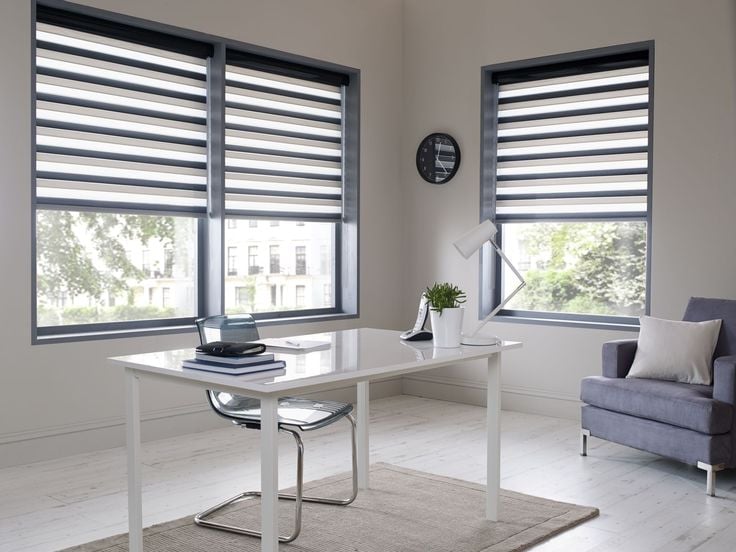
Choosing curtains and blinds in UAE requires understanding climate conditions, architectural styles, and client expectations carefully.Interior designers need practical window treatments that complement interiors while supporting comfort, privacy, and functionality.Designers should evaluate materials, colours, operating systems, light control, and maintenance before recommending suitable window solutions.SmartLivingBlinds.ae provides various options designed for residential and commercial interiors throughout the UAE market.
The UAE climate creates unique challenges for interior designers working on contemporary and traditional properties.Strong sunlight, intense heat, dust, and humidity can affect fabrics, finishes, and mechanical components over time.Designers should therefore select window curtains and blinds in UAE treatments offering durability without compromising the intended interior appearance.Careful product selection can improve room comfort while supporting a cohesive and sophisticated design concept.
Consider the UAE Climate and Sunlight
The UAE receives intense sunlight throughout much of the year, affecting interior temperatures and furnishings.Interior designers should select window treatments capable of managing solar exposure without appearing excessively heavy.Fabrics with suitable density can reduce glare while maintaining comfortable levels of natural illumination.Durable materials can also preserve their appearance despite repeated exposure to strong sunlight.
Solar control should remain an important consideration when designing bedrooms, offices, lounges, and reception areas.Window treatments can reduce direct sunlight entering rooms during particularly bright daytime periods.This can support comfortable interiors while protecting furniture, flooring, artwork, and decorative surfaces from fading.
Designers should assess window direction before deciding which treatment provides appropriate solar protection.
Match Treatments With Interior Design Styles
Every interior project has a distinct visual language requiring carefully coordinated window treatments.Designers should match colours, textures, patterns, and silhouettes with surrounding furniture and architectural elements.
Minimalist spaces usually benefit from clean profiles, subtle fabrics, and neutral colour combinations.Traditional interiors may require richer textures, decorative fabrics, and more elaborate curtain arrangements.
Contemporary UAE properties frequently incorporate sophisticated neutral palettes with metallic and natural material accents.Window treatments should support these features instead of creating unnecessary visual competition within rooms.Designers can use subtle textures to introduce depth while preserving an elegant appearance.Careful coordination allows window coverings to become an integrated component of the overall interior concept.
Evaluate Fabric Quality and Durability
Fabric quality directly influences appearance, longevity, maintenance requirements, and overall client satisfaction.Interior designers should examine fabric construction before recommending products for residential or commercial installations.High-quality materials generally provide better performance against sunlight, regular handling, dust accumulation, and cleaning.Selecting durable fabrics can also reduce replacement requirements throughout the property’s useful design life.
Different rooms require different fabric characteristics depending upon their function and environmental exposure.Bedrooms may benefit from softer materials, while offices often require practical fabrics supporting easy maintenance.Living spaces can combine decorative textures with functional performance for a balanced interior solution.Designers should always consider long-term usability alongside the immediate visual appeal of selected materials.
Prioritize Light Control and Privacy
Effective light management can significantly influence comfort and functionality across different interior spaces.Designers should determine how much daylight clients want before choosing specific window covering systems.Bedrooms often require stronger light blocking, especially where occupants prefer darker sleeping environments.Living rooms may benefit from adjustable solutions allowing daylight control throughout different periods.
Privacy requirements also vary depending on property location, window position, and surrounding buildings.Ground-floor residences may require stronger privacy compared with upper-level apartments or private villas.Office meeting rooms may need adjustable coverings to protect confidential discussions from external visibility.Designers should balance privacy requirements with natural lighting to avoid creating unnecessarily dark interiors.
Select Suitable Colours and Textures
Colour selection influences how large, bright, warm, or sophisticated a room appears visually.Interior designers should coordinate window treatment colours with walls, furniture, flooring, and decorative accessories.Neutral tones provide versatility and can complement changing furniture arrangements throughout different design projects.Stronger colours can create visual accents when carefully integrated within suitable interior schemes.
Textures can also influence perceived luxury and depth within residential and commercial environments.Smooth finishes create contemporary impressions, while woven textures can provide warmth and natural character.Designers should avoid excessive pattern combinations that compete with architectural features or statement furnishings.
A carefully balanced texture strategy can strengthen the room’s overall visual hierarchy considerably.
Consider Motorization and Smart Controls
Modern clients increasingly expect convenient technology within sophisticated residential and commercial interior environments.Motorized window treatments can provide effortless control across large or difficult-to-reach windows.Automated systems can also support scheduled adjustments according to daylight and occupancy patterns.Designers should discuss control preferences early when developing technologically advanced interior concepts.
Smart controls can integrate window treatments with broader home automation systems when compatible equipment exists.Users may control selected treatments through switches, remote controls, or compatible smart devices.These features can improve convenience while creating cleaner interiors without unnecessary operating cords.Designers should ensure technology remains discreet and visually consistent with the overall design direction.
Assess Window Size and Installation Requirements
Window dimensions strongly influence which treatment styles provide practical and attractive results.Large glazing areas may require specialized systems capable of supporting wider fabric or heavier installations.Designers should measure windows accurately before finalizing specifications, quantities, and operating mechanisms.Incorrect measurements can create installation difficulties, visual imbalance, and unnecessary project expenses.
Architectural details surrounding windows should also receive attention during the planning process.Recesses, handles, frames, radiators, and furniture placement can affect treatment positioning and operation.Designers should coordinate installation requirements with contractors before completing final window treatment specifications.Early coordination helps prevent conflicts between decorative features, mechanical systems, and window coverings.
Compare Maintenance and Cleaning Requirements
Maintenance requirements can influence whether clients remain satisfied with their selected window treatments.Interior designers should explain cleaning expectations before recommending fabrics, finishes, and operating mechanisms.Some materials require specialized cleaning, while others can receive straightforward routine maintenance.
Understanding these requirements helps designers select solutions suitable for each client’s lifestyle and property.
UAE properties can experience significant dust accumulation, requiring practical cleaning strategies for window treatments.Designers should consider how easily fabrics, slats, and operating components can be maintained regularly.
Commercial properties often require particularly manageable solutions because frequent cleaning may become necessary.Selecting low-maintenance materials can reduce long-term inconvenience while preserving attractive interior appearances.
Consider Energy Efficiency and Thermal Comfort
Window treatments can contribute to comfortable indoor environments by managing sunlight and heat transmission.Interior designers should consider thermal performance when developing energy-conscious residential and commercial spaces.Suitable coverings can reduce direct solar exposure entering rooms during intense daytime conditions.
This may support more comfortable interiors while complementing broader energy management strategies.
Layered treatments can provide additional flexibility when projects require stronger control over sunlight and temperature.Combining curtains with blinds allows occupants to adjust coverage according to changing weather conditions.Designers should consider glazing type, window orientation, and room usage before selecting layered systems.These factors help create solutions supporting comfort without compromising the desired interior appearance.
Balance Budget, Quality, and Long-Term Value
Budget remains an important consideration when interior designers develop complete project specifications.However, choosing the cheapest option may create additional replacement and maintenance costs later.Designers should compare product quality, functionality, durability, installation, and expected lifespan together.This approach allows clients to understand the broader value behind different window treatment investments.
When comparing curtains and blinds in UAE, designers should evaluate complete project requirements instead.Price should remain important, but performance and suitability should receive equal consideration during selection.High-quality solutions can provide stronger durability while supporting the property’s intended visual character.A balanced approach helps designers deliver attractive interiors without exceeding reasonable project budgets.
Designers Create Layered Window Treatments
Layering different window treatments can provide improved flexibility across residential and commercial interior spaces.Designers can combine sheer curtains with blinds to manage privacy, sunlight, and visual softness.This approach creates multiple adjustment levels throughout different daytime and nighttime conditions.Layered designs can also introduce additional texture while enhancing the perceived sophistication of interiors.
The selected layers should remain visually compatible with furniture, wall colours, flooring, and decorative elements.Too many competing textures can make an interior appear visually crowded and unbalanced.Designers should therefore establish a clear hierarchy between primary and secondary window treatments.Well-planned layering can create functional flexibility without overwhelming the room’s central design concept.
Designers Consider Child and Pet Safety
Safety should remain part of every interior specification, particularly within family-oriented residential projects.Loose cords and accessible operating components may create unnecessary risks around young children.Designers should discuss safer operating systems when planning window treatments for family properties.Cordless and motorized solutions can provide practical alternatives where suitable installation conditions exist.
Pets can also interact with accessible cords, fabrics, and lower window treatment components.Designers should consider household routines when recommending products for clients with animals.Selecting appropriate mechanisms can reduce potential damage while maintaining attractive interior presentation.Safety-focused planning demonstrates thoughtful design while supporting practical everyday use within residential spaces.
Property Type Affect Window Treatment Selection
Different property types create different requirements for window covering functionality, appearance, and durability.Luxury villas may prioritize decorative finishes, layered designs, automation, and customized installation solutions.Apartments may require compact treatments supporting privacy while maximizing available natural light.Commercial properties generally prioritize practicality, consistency, durability, and straightforward operational requirements.
Hospitality interiors can require treatments combining luxury appearance with frequent operational reliability and maintenance.Offices may prioritize glare management because excessive sunlight can affect screens and employee comfort.Retail environments may require carefully coordinated treatments supporting branding and customer-facing interior presentation.Designers should therefore evaluate property purpose before selecting any particular window treatment style.
Designers Discuss With Clients Before Selection
Client discussions should establish practical expectations before designers finalize window treatment recommendations.Important topics include preferred colours, privacy requirements, sunlight levels, automation, maintenance, and budget.Designers should also ask how frequently clients expect to adjust their window coverings.Understanding these preferences helps create specifications aligned with actual daily requirements.
Clients may also have preferences regarding sustainability, materials, cleaning routines, and long-term durability.Discussing these factors early can prevent misunderstandings during installation and project completion.Designers should present suitable alternatives when several treatments could satisfy the same requirements.Clear communication allows clients to make informed decisions while preserving the project’s design objectives.
Designers Improve Project Coordination
Successful window treatment installation requires coordination between designers, suppliers, contractors, and property owners.Designers should provide accurate measurements and clear specifications before products enter production stages.
Installation timing should also align with painting, flooring, furniture delivery, and final interior finishing.Proper coordination reduces delays while protecting completed surfaces from unnecessary installation-related damage.
Designers should verify product quantities, dimensions, operating mechanisms, and mounting requirements before ordering.Final checks can identify potential conflicts with lighting fixtures, cabinetry, furniture, or architectural features.A detailed installation plan helps maintain consistency across multiple rooms and property areas.This organized approach supports smoother project completion and stronger overall client satisfaction.
Professional Product Guidance Important
Professional guidance helps designers understand differences between available materials, mechanisms, finishes, and operating systems.Product specialists can explain performance characteristics that may not become obvious during initial selection.Designers can then compare options according to specific project requirements and environmental conditions.
This process supports more confident decisions when working with demanding residential or commercial interiors.
SmartLivingBlinds.ae can support designers seeking suitable window treatment solutions for UAE projects.The right guidance can help coordinate aesthetic preferences with practical performance and installation requirements.Designers should evaluate available options according to room purpose, architecture, climate, and client expectations.
A carefully selected product can strengthen both visual appeal and everyday interior functionality.
FAQ
What should interior designers consider first when choosing window treatments?
Designers should begin by evaluating sunlight exposure, privacy requirements, room function, architecture, and client preferences.These factors establish practical requirements before materials, colours, mechanisms, and decorative finishes receive consideration.
Are motorized window treatments suitable for UAE properties?
Motorized treatments can suit many UAE properties, particularly large homes, offices, villas, and modern apartments.They provide convenient operation while supporting streamlined interiors and easier control over large windows.
How can designers improve privacy without blocking natural light?
Designers can combine sheer fabrics, adjustable blinds, and layered treatments for flexible privacy control.These combinations allow occupants to maintain daylight while reducing unwanted visibility from surrounding properties.
Are energy-efficient window treatments valuable for UAE interiors?
Energy-conscious window treatments can help manage sunlight and reduce direct solar exposure entering interior spaces.Their effectiveness depends upon glazing, orientation, material selection, installation quality, and overall building characteristics.
Why should designers compare quality instead of choosing the cheapest option?
Higher-quality treatments may provide better durability, appearance retention, functionality, and long-term performance.Comparing total value helps clients avoid frequent replacements and unnecessary maintenance expenses later.
Conclusion
Interior designers should evaluate climate, architecture, functionality, aesthetics, maintenance, safety, and technology before selecting window treatments.
Choosing curtains and blinds in UAE requires balancing visual appeal with practical performance and durability.Designers can create stronger interiors by considering property type, window dimensions, sunlight, privacy, and client expectations.
Careful planning ensures selected treatments complement the interior while delivering reliable everyday performance for UAE properties.