


Embroidery can turn a simple logo, name, or artwork into a professional and memorable design. However, getting a great result depends on more than choosing the right thread colours or using a high-quality embroidery machine. The artwork must first be converted into a properly structured stitch file through embroidery digitizing.
A well-digitized design helps an embroidery machine understand where to stitch, which direction to follow, how much thread to use, and how different parts of the design should be layered. This is especially important when working with logos, small lettering, detailed artwork, uniforms, caps, jackets, patches, and promotional clothing.
For businesses and individuals who want consistent results, custom embroidery digitizing provides a practical way to prepare artwork specifically for its intended fabric, size, and embroidery application.
What Is Embroidery Digitizing?
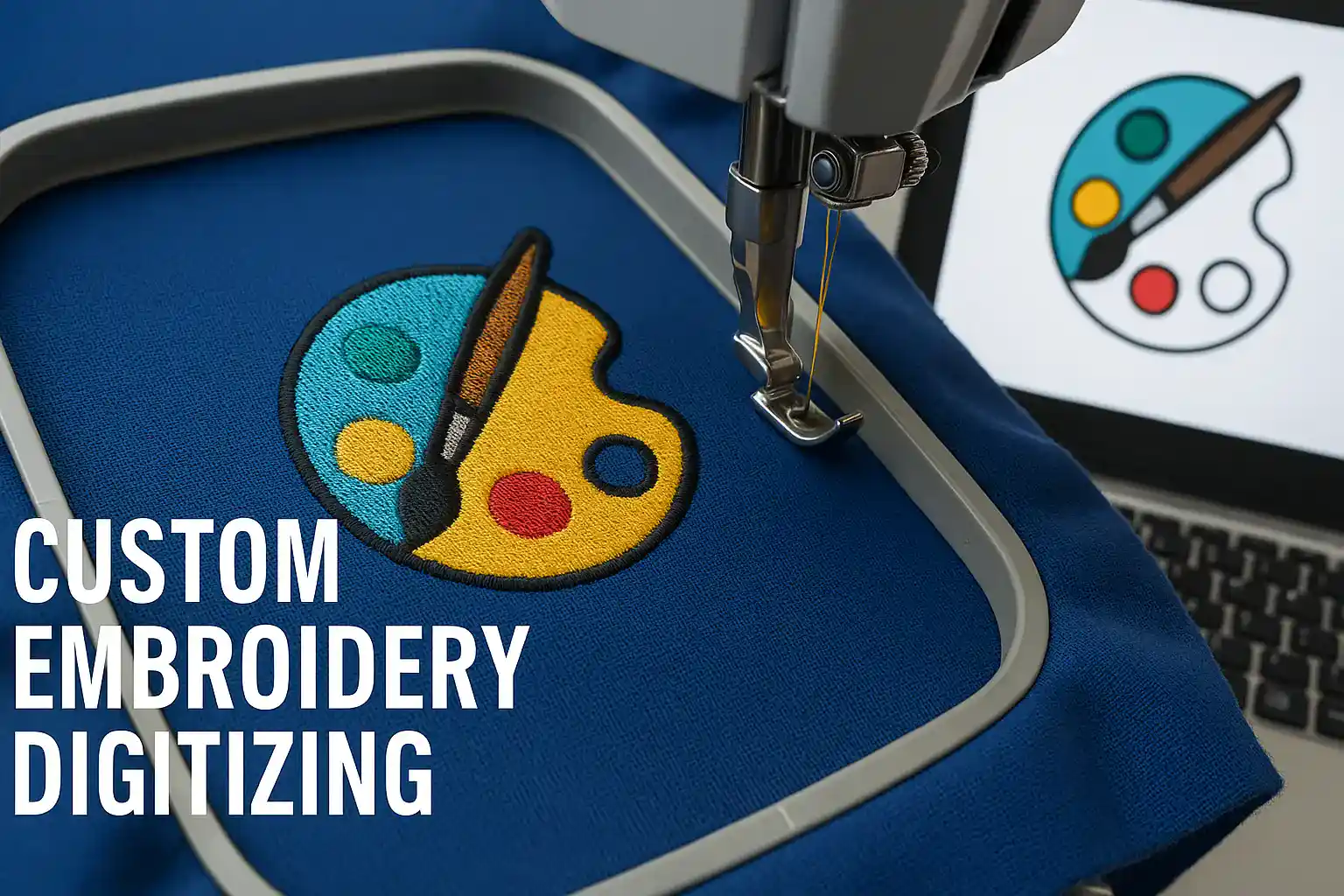
Embroidery digitizing is the process of converting artwork, logos, lettering, or images into a digital stitch file that an embroidery machine can read.
Unlike a normal image file such as JPG or PNG, an embroidery file contains information about the stitches required to recreate the design. It determines stitch types, stitch direction, sequencing, density, and other technical details needed for production.
The goal is not simply to convert an image into stitches. A professional digitizer must understand how the design will behave when it is actually sewn onto fabric.
For example, a small logo embroidered on a polo shirt may require a different stitch structure from the same logo enlarged for the back of a jacket. Similarly, a design created for a cap may need different adjustments from one intended for a towel or sweatshirt.
Why Quality Digitizing Makes a Difference
A design can look perfect on a computer screen but produce poor results when embroidered if the stitch structure has not been planned correctly.
Professional digitizing considers factors such as:
- Fabric type and thickness
- Design size
- Stitch density
- Stitch direction
- Underlay
- Thread sequence
- Small lettering
- Colour changes
- Design registration
- Embroidery placement
These factors work together to determine how the finished design looks and performs.
Poorly prepared files can cause problems such as puckering, thread breaks, uneven coverage, excessive trims, distorted details, and unreadable lettering. A professionally prepared file is designed with the actual embroidery process in mind.
How Custom Embroidery Digitizing Works
Every embroidery project is different. That is why custom embroidery digitizing is useful for businesses, clothing brands, embroidery shops, sports teams, and individuals who need designs prepared for a specific purpose.
The process generally starts with the original artwork. A digitizer reviews the design and considers its size, complexity, colours, fabric, and placement.
The artwork is then converted into suitable stitch structures. Different areas may use satin stitches, fill stitches, running stitches, or other techniques depending on what the design requires.
The stitch sequence is also carefully planned. Elements that need to be embroidered first are placed accordingly, helping the machine move efficiently through the design.
Before production, the file should be reviewed to identify potential problems and make adjustments where necessary.
The Importance of Stitch Density
Stitch density is one of the most important parts of embroidery digitizing.
If too many stitches are placed into a small area, the embroidery can become overly thick or stiff. It may also increase the risk of puckering and thread breaks.
On the other hand, insufficient stitch density can create weak coverage and allow the fabric to show through the design.
A professional approach considers the artwork, fabric, size, and embroidery technique before determining the appropriate density.
This is particularly important for detailed logos and small designs where there is limited space for stitches.
Stitch Direction Helps Create Better Results
Stitch direction affects both the appearance and structure of embroidered artwork.
Changing the direction of stitches between different sections can create visual separation and help certain parts of a design stand out. It can also influence how light reflects from the thread.
For logos, lettering, illustrations, and decorative designs, appropriate stitch direction can make the finished embroidery look cleaner and more professional.
This is one reason why simply using an automated image-to-stitch conversion may not always produce the best result. Human judgement is often needed to decide how individual sections should be constructed.
Embroidery Digitizing for Different Fabrics
The same design may not work equally well on every material.
A design embroidered on a firm jacket may require different settings from one sewn onto a lightweight T-shirt. Towels and other high-pile materials can also present additional challenges because the fabric surface can hide fine details.
Professional embroidery digitizing takes the intended material into account.
For example:
T-Shirts and Polos
Small chest logos need careful sizing and stitch planning. Excessive density can make lightweight garments uncomfortable or cause unwanted distortion.
Caps
Caps have curved surfaces, making stitch direction and sequencing particularly important. Designs also need to be planned according to the available embroidery area.
Jackets
Large jacket-back designs require careful planning because they contain more stitches and cover a larger area. Registration, density, and sequencing become especially important.
Towels
High-pile fabrics can cover small details. Suitable underlay and stitch structures can help maintain the visibility of important design elements.
Hoodies and Sweatshirts
Thicker garments require an embroidery file that provides suitable coverage without unnecessarily increasing stitch count.
Small Text Requires Extra Attention
Small lettering is one of the more challenging parts of embroidery.
A font that looks clear on a computer screen may become difficult to read once it is reduced to embroidery size. Tiny letters have limited space, so excessive detail can easily disappear.
Professional digitizing considers:
- Font style
- Letter height
- Stitch length
- Fabric type
- Spacing
- Stitch direction
- Design placement
Instead of simply reducing a large design, the lettering may need to be specially adjusted for embroidery.
This is especially important for company names, uniforms, personalised clothing, sportswear, and promotional products.
Custom Embroidery Digitizing for Business Branding
Embroidery is widely used for business branding because it can create a professional and durable appearance.
Companies may use embroidered logos on:
- Staff uniforms
- Polo shirts
- Workwear
- Jackets
- Caps
- Bags
- Promotional clothing
- Hospitality uniforms
- Sportswear
A consistent logo helps businesses maintain a professional visual identity across different products.
With custom embroidery digitizing, the logo can be prepared according to its intended application rather than using one generic file for every product.
For example, a small left-chest logo, a large jacket-back logo, and a cap logo may each require different stitch planning.
Why Manual Digitizing Can Be Valuable
Automated tools can convert artwork into stitches, but embroidery is not simply a digital image conversion process.
A skilled digitizer can review the artwork and make decisions based on the final embroidery application. They can identify areas that may cause problems, adjust stitch direction, control density, simplify unsuitable details, and organise the stitching sequence.
This level of attention can be particularly useful for:
- Detailed logos
- Complex artwork
- Small lettering
- 3D embroidery
- Appliqué
- Portrait designs
- Monograms
- Large jacket designs
- Custom patches
At Rise Digitizing, designs are manually prepared with attention to stitch structure, fabric, size, and the intended embroidery application.
What Makes a Good Embroidery File?
A high-quality embroidery file should be created with production in mind.
Important characteristics include:
Clean stitch paths: The machine should be able to follow an efficient and logical path.
Suitable density: Stitch coverage should be balanced for the material and design.
Correct sequencing: Elements should be arranged in an order that supports clean embroidery.
Appropriate underlay: Underlay helps stabilise the fabric and support the visible stitches.
Clear details: Important design elements should remain recognisable after being converted into thread.
Fabric suitability: The file should be prepared according to where and how the design will be embroidered.
These elements can make a significant difference to the final result.
Choosing the Right Embroidery Digitizing Service
When selecting a digitizing provider, price should not be the only consideration.
Look for a service that understands the difference between artwork and embroidery production. A reliable provider should be able to work with different types of designs and understand how factors such as fabric, size, stitch density, and sequencing affect the finished result.
It is also useful to check:
- Previous embroidery samples
- Supported file formats
- Turnaround options
- Revision policy
- Customer support
- Experience with different embroidery applications
- Ability to handle complex artwork
A strong portfolio can help you determine whether a digitizing service can consistently produce the type of embroidery you need.
Get Your Artwork Ready for Embroidery
Professional embroidery digitizing is the foundation of a successful embroidered design. Whether you are creating a company logo, personalised clothing, sportswear, promotional merchandise, or a detailed piece of artwork, the stitch file needs to be designed around the final application.
With the right custom embroidery digitizing, your artwork can be transformed into a machine-ready design that is better suited to the fabric, size, and embroidery technique you plan to use.
If you have a logo or artwork that you want to turn into embroidery, Rise Digitizing can help prepare it for professional embroidery production. From logos and lettering to complex artwork, the right digitizing approach can help you achieve cleaner stitches, better detail, and a more consistent finished product.
Frequently Asked Questions
What is embroidery digitizing?
Embroidery digitizing is the process of converting artwork or a logo into a stitch-based digital file that an embroidery machine can read and sew onto fabric.
Is custom embroidery digitizing better for logos?
Yes. Custom digitizing allows the file to be prepared according to the logo’s size, fabric, placement, and embroidery requirements rather than relying on generic settings.
Can any image be converted into embroidery?
Most artwork can be prepared for embroidery, but highly detailed images may need adjustments or simplification so important elements remain visible when stitched.
Why does fabric matter in embroidery digitizing?
Different fabrics behave differently during stitching. The digitizing settings may need to be adjusted to provide suitable coverage, stability, and detail for the material.
How can I get better embroidery results?
Start with good-quality artwork and use a professionally prepared embroidery file. Proper stitch density, sequencing, underlay, stitch direction, and fabric-specific adjustments can all contribute to better results.